
Ever wonder why some fashion models walk away with six-figure paychecks while others struggle to cover rent? It’s not just about looks. The truth about fashion model pay is messy, unpredictable, and rarely what you see on Instagram. Most people think modeling is all runway shows and glossy magazines. But the reality? A lot of it is waiting in cold studios, negotiating contracts no one explains, and working for free just to get your name on a casting list.
How Fashion Models Get Paid
Fashion models don’t get a salary. They’re paid per job. That means one day you could earn £5,000 for a campaign, and the next week you might work for £150 just to build your portfolio. There’s no hourly rate. No benefits. No sick days. You’re an independent contractor, and the market decides your value.
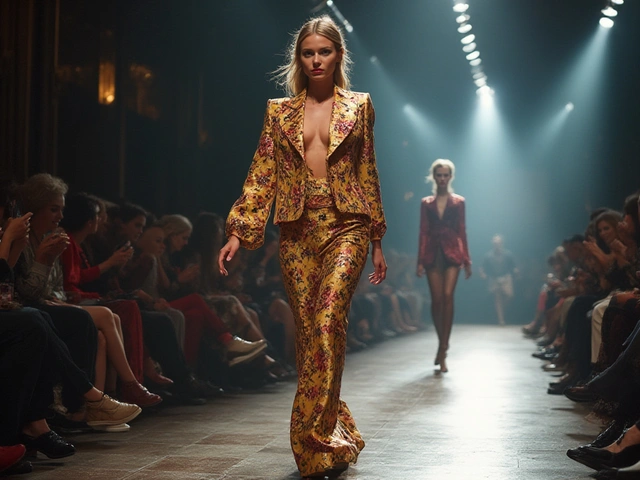
Most pay comes from four main sources: runway shows, editorial shoots, commercial campaigns, and lookbooks. Each has its own pay scale. Runway modeling? It’s flashy but rarely the highest earner. Big fashion weeks like Milan or Paris pay anywhere from £500 to £3,000 per show - if you’re lucky enough to walk for a top brand. For unknown models, it’s often free. Yes, free. Brands use new faces to create buzz, and you’re expected to show up in designer clothes, take zero pay, and hope it leads to something else.
Editorial shoots for magazines like Vogue or Harper’s Bazaar pay better than runway. A single editorial spread can range from £1,000 to £8,000, depending on the magazine’s budget and your clout. But here’s the catch: editorial work doesn’t pay the bills. It builds your resume. It gets you seen by agencies and buyers. It’s the trade-off.
Commercial campaigns are where the real money lives. Think high-street brands like Zara, H&M, or ASOS. These shoots pay £2,000 to £15,000 per day. If you’re booked for a week-long campaign with multiple looks and locations, you could clear £50,000 in a month. But these jobs go to models with proven track records - not beginners.
What Determines How Much You Earn
It’s not just about height or cheekbones. Pay is tied to five key factors:
- Experience - Models with 3+ years of consistent work, especially with known brands, earn 3x more than newcomers.
- Market demand - If you’re the type of look brands are chasing right now (think androgynous, curvy, or ethnic diversity), your rate jumps. Right now, models with South Asian, African, or Middle Eastern features are in high demand in Europe and North America.
- Location - A model in London or New York makes more than one in Manchester or Atlanta. Agencies in top fashion capitals charge higher fees, and clients pay more to work with models who are already there.
- Agency representation - Top agencies like IMG, Elite, or Women take 20% of your earnings. But they also get you access to jobs you’d never land on your own. Going solo? You’ll miss out on 70% of high-paying gigs.
- Exclusivity - If you sign an exclusivity deal with a brand like L’Oréal or Nike, you might get £20,000-£100,000 for a 6-month campaign. But you can’t work for their competitors during that time.
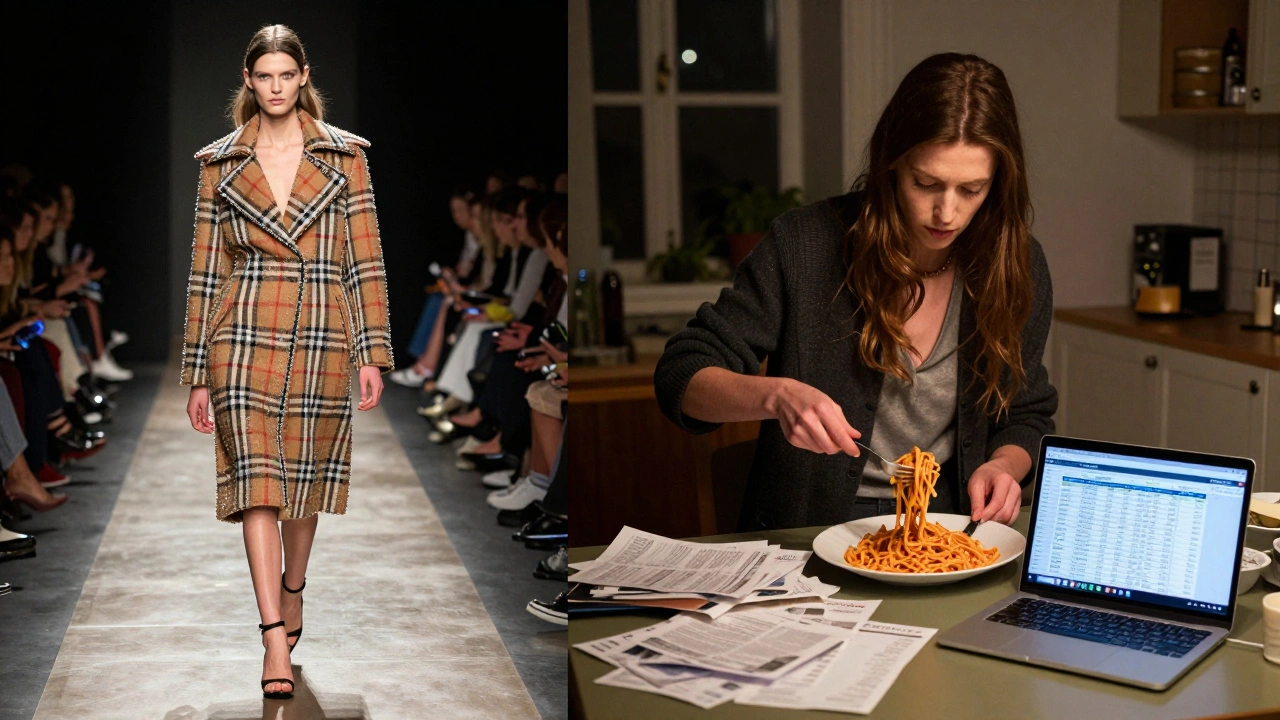
One model I spoke to in London - let’s call her Lena - made £85,000 last year. She walked for Burberry, did a campaign for Boots, and shot three editorials. But she also spent six months working for free or under £200 a day to build her book. That’s the reality. You don’t start earning big until you’ve paid your dues.
The Hidden Costs of Modeling
What you don’t see on Instagram? The money you lose before you make any.
- Portfolio shoots - A good portfolio costs £800-£2,000. You need at least 15 high-quality images from a professional photographer. Many models take out loans or work part-time jobs to afford this.
- Travel - Agencies send you to Paris, Milan, or Tokyo. But unless you’re already established, you pay for your own flights and hotels. A round-trip flight to Milan can cost £600. A week in a shared apartment? Another £700.
- Beauty upkeep - Haircuts every 4 weeks: £80. Skin treatments: £150/month. Teeth whitening: £300. Nail care: £40/week. That’s £1,500+ a year just to stay looking like a model.
- Agency fees - Most agencies charge a £150-£300 upfront fee for your profile, portfolio review, or casting access. Legit agencies don’t do this. But predatory ones do. Always check if they’re members of the Model Union (UK) or the Association of Model Agencies (AMA).
One 19-year-old model from Leeds told me she spent £4,200 in her first year. She made £1,800. She’s still working, but now she’s smarter. She only books jobs through her agency. She says, “I used to think modeling was glamorous. Now I know it’s a business. And I’m learning how to run it.”
Top Earners vs. The Rest
There’s a huge gap between the top 1% and everyone else. In 2025, the highest-paid fashion models earned over £1 million. Gigi Hadid, Bella Hadid, and Adut Akech made seven figures from campaigns, brand deals, and appearances. But they’re the exception.
Most models earn between £15,000 and £40,000 a year. That’s not bad - if you’re lucky. But here’s the kicker: 60% of models earn less than £10,000 annually. Many work other jobs. Some are students. Others drive for Uber or wait tables. One model I met in Soho was studying psychology and modeling part-time. She said, “I don’t do this to be rich. I do it because I love the art. But I need my day job to survive.”
Men’s modeling pays less than women’s. Male models typically earn £8,000-£25,000 a year. They have fewer campaigns, less media exposure, and lower brand budgets. The industry still favors female models, especially in fashion. But things are slowly changing.
How to Increase Your Pay
If you want to earn more, you need to treat modeling like a business. Here’s how:
- Work with a reputable agency - Don’t sign with anyone who asks for upfront money. Use the AMA’s directory to find verified agencies in London, Paris, or New York.
- Build a strong portfolio - Focus on diversity. Show versatility: high fashion, commercial, editorial. Don’t just do bikini shots unless that’s your niche.
- Network smart - Go to industry events. Connect with photographers, stylists, and art directors. Many jobs come from word-of-mouth, not casting calls.
- Know your worth - Never work for free unless it’s a true portfolio builder. Ask for a rate upfront. If they say “exposure,” walk away.
- Track your income - Use a simple spreadsheet. Log every job, payment, expense, and contact. You need this for taxes and to prove your income to lenders or landlords.
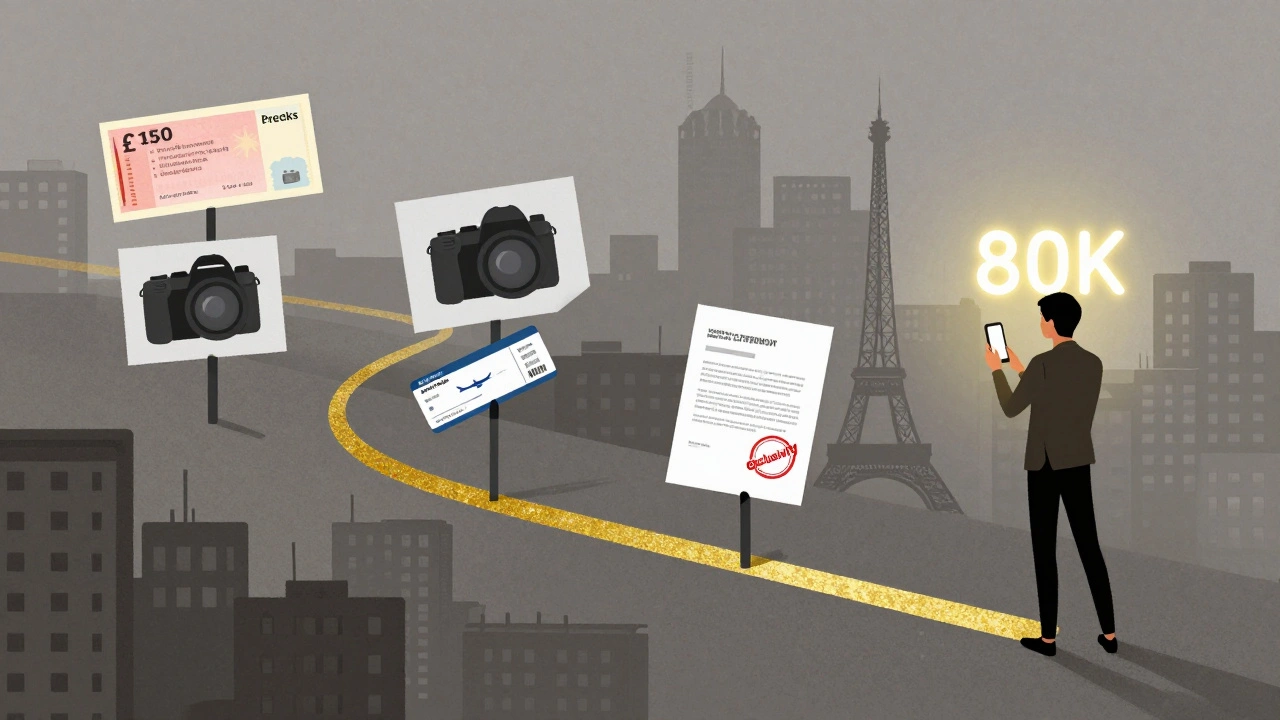
One model in Manchester started posting behind-the-scenes reels on TikTok. She showed her travel, her prep, her rejections. In six months, she gained 80,000 followers. Brands started reaching out. She didn’t need an agency anymore. She now books her own jobs and keeps 100% of her earnings.
Is It Worth It?
Is modeling worth it? It depends on what you want.
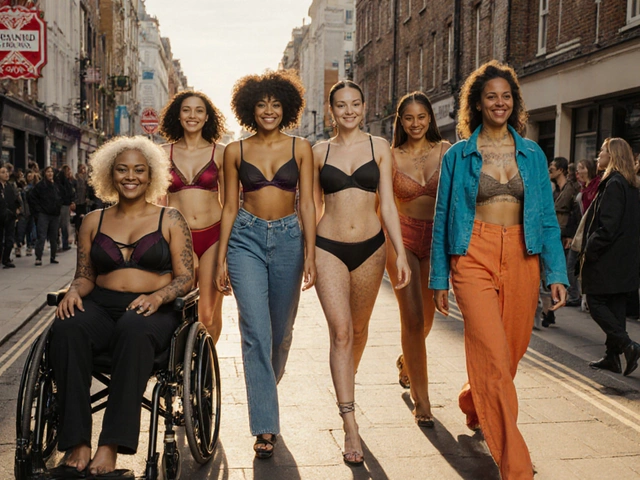
If you want fame, money, and a life of luxury - it’s a long shot. The odds are stacked against you. But if you want to be part of creative expression, to challenge beauty standards, to travel, and to build a career on your own terms - then yes. It’s possible.
But don’t go in blind. Talk to models who’ve been in it for five years. Read their contracts. Ask about their expenses. Know the risks. Modeling isn’t a dream job. It’s a hard job with no safety net. And the pay? It’s never guaranteed.
But if you’re smart, persistent, and treat it like a business - you can make it work.
How much do beginner fashion models earn in the UK?
Beginner fashion models in the UK typically earn between £100 and £500 per job. Many start by working for free or at very low rates to build their portfolio. Paid gigs usually come from local photographers, small brands, or university projects. Earning more than £1,000 per month is rare in the first year.
Do fashion models get paid per hour?
No, fashion models are not paid by the hour. They’re paid per job - whether it’s a runway walk, a photo shoot, or a commercial campaign. Rates vary based on the job type, location, brand, and the model’s experience. Some agencies may quote an hourly equivalent for planning purposes, but the contract is always job-based.
Can you make a full-time income as a fashion model?
Yes, but it’s uncommon. Only about 15% of models earn enough to support themselves full-time without another job. Most successful models have consistent bookings, strong agency representation, and a niche that’s in demand. The rest supplement income with part-time work, teaching, or freelancing.
What’s the difference between editorial and commercial modeling pay?
Editorial modeling pays for magazine features and is usually £1,000-£8,000 per shoot. It’s prestigious but doesn’t pay the bills. Commercial modeling pays for ads and campaigns - think supermarkets, cosmetics, or clothing brands. These pay £2,000-£15,000 per day and are where most models earn their living. Commercial work is more reliable and better paid.
Are there any legal protections for fashion models in the UK?
Yes. The Association of Model Agencies (AMA) sets ethical standards for agencies in the UK. Legitimate agencies don’t charge upfront fees. Models are protected under UK contract law and have the right to refuse unsafe or inappropriate work. If an agency asks for money before booking you, report them to the AMA. Also, models under 18 must have a chaperone and a work permit.


January 16, 2026 AT 06:12
Starla Scholl
It’s wild how much of this is invisible until you’re in it. I had a friend who modeled for two years in Atlanta - she spent more on makeup and travel than she made. But she swore it was worth it for the confidence. I get that. But the system’s rigged if you don’t have connections or capital.
January 18, 2026 AT 03:36
Jeff Shaw
Bro this hit different 😭 I used to think models just woke up, looked hot, got paid. Now I realize it’s like being a freelance athlete with zero health insurance. That £1,500/year on nails? That’s a mortgage payment in some places. Respect to anyone doing this and still smiling.
January 19, 2026 AT 23:14
Hemanth Nadipineni
From India, I can say this: the industry here is even wilder. Agencies ask for ₹50,000 upfront just to "register" you. I know a girl who got scammed and had to drop out. But if you find a legit agency, it can change your life. Don’t give up, but be smart. And yes, diversity is finally being seen - slowly.
January 21, 2026 AT 15:48
martha urquizu
Let’s be clear: this isn’t a career. It’s a predatory industry disguised as glamour. Agencies exploit young women, charge them for "portfolio reviews," and then sell their image to brands that profit while the model eats ramen. This is modern-day indentured servitude with eyeliner.
January 21, 2026 AT 22:32
Bonnie Searcy Squire
They don’t want you to know this, but 80% of "high-paying" models are paid in product. The rest? Paid in lies. The whole industry is a cult. You think you’re being discovered? You’re being harvested.
January 23, 2026 AT 10:35
Mrigank Srivastava
People talk about pay like it’s fair. It’s not. The system is built to fail most of us. I’ve seen models cry in dressing rooms after being told they "don’t fit the look" - after flying across the world. No one talks about the silence after the camera stops.
January 24, 2026 AT 09:54
Tim Paradis
Stop romanticizing this. If you need modeling to be happy you’re already losing. It’s a job. Not a destiny. Most people who do it are just lucky they didn’t get eaten alive by the machine
January 26, 2026 AT 06:07
Tony Giny
In Nigeria, models make less than £50 a shoot. But they still show up. Why? Because beauty is power here too. And if you can make it in Lagos with no agency and no budget, you can make it anywhere. Respect to the ones grinding in the dark.
January 27, 2026 AT 14:53
rohit patel
So basically you need money to make money? That’s not modeling. That’s a scam. Why don’t they just say it’s a pyramid scheme? Everyone knows it is. Just say it.