Success in fashion modeling isn’t about luck. It’s not about being the tallest, the skinniest, or the most photographed. It’s about consistency, resilience, and knowing how to show up-even when no one’s watching. The top models in the world didn’t get there by accident. They built habits, survived rejection, and learned how to turn silence into opportunity. Here’s what they actually do differently.
They Treat Modeling Like a Business, Not a Dream
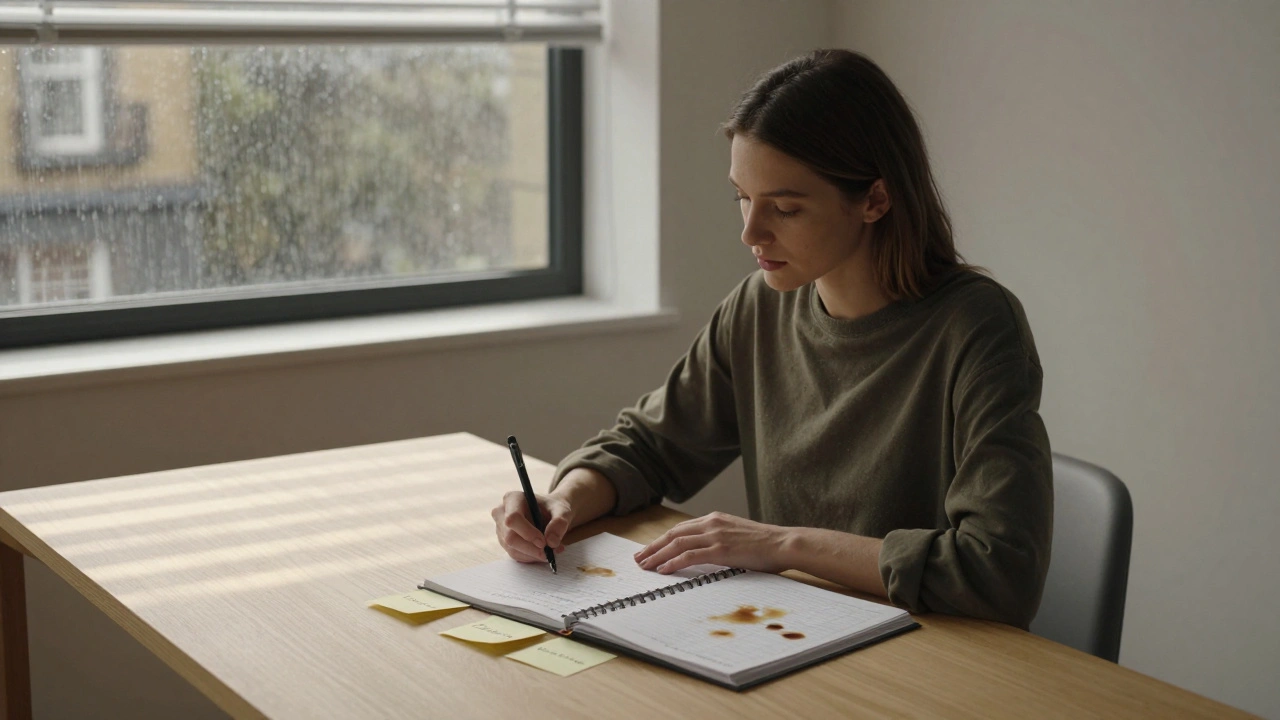
Most aspiring models think their job starts when they walk a runway. The truth? It starts the moment they open their email inbox. Top models treat every audition, every meeting, every photoshoot like a business meeting. They track their bookings, follow up with agencies, and keep a simple spreadsheet of contacts, dates, and outcomes. One model from London told me she updates her tracker every Sunday night-no exceptions. That’s how she stayed booked through three fashion weeks without an agent.
They don’t wait for opportunities. They create them. That means sending tailored emails to small designers, offering free test shoots to build their portfolio, and reaching out to stylists directly. Success isn’t handed to you. It’s requested, negotiated, and earned.
They Master the Art of the Pause
On the runway, the best models don’t rush. They own the space. They breathe. They pause. It’s not about speed-it’s about presence. A study by the Fashion Institute of Technology found that models who held their poses 0.5 seconds longer were rated 40% more memorable by judges at international casting calls.
Off the runway, that same patience shows up in how they handle rejection. Instead of spiraling after a no, top models ask: “What did I learn?” They don’t take it personally. They file it. One New York-based model kept a “No List”-a journal of every rejection, with notes on what she could improve. After 18 months, she noticed patterns: she lost more gigs when she arrived late, or when her hair looked too styled. She fixed those things. Within a year, her booking rate doubled.
They Know Their Body-And They Protect It
There’s a myth that models live on coffee and air. That’s not true. The ones who last don’t starve themselves. They fuel themselves. They eat regularly. They sleep. They stretch. They see physiotherapists. One model from Milan, who’s walked for Gucci and Prada for over a decade, says her daily routine includes 20 minutes of mobility work, 10 minutes of breathing exercises, and three solid meals. She doesn’t count calories. She counts energy.
They also know when to say no. If a shoot requires extreme poses, unsafe lighting, or uncomfortable clothing, they push back. Not with attitude-with professionalism. They’ve learned that their body is their most valuable asset. And no brand is worth damaging it.
They Build Real Relationships, Not Just Followers
Instagram isn’t the end goal-it’s a tool. Top models don’t chase likes. They chase connections. They comment on photographers’ posts. They thank stylists publicly. They tag assistants who helped carry gear. They don’t ghost people after a job ends. They stay in touch.
One model from Paris shared how she sent handwritten thank-you notes after every shoot-even for small gigs. She didn’t ask for anything in return. Three months later, one of those notes landed on the desk of a creative director who hired her for a campaign that went viral. It wasn’t the photo that got her the job. It was the note.
They Show Up Even When They’re Tired
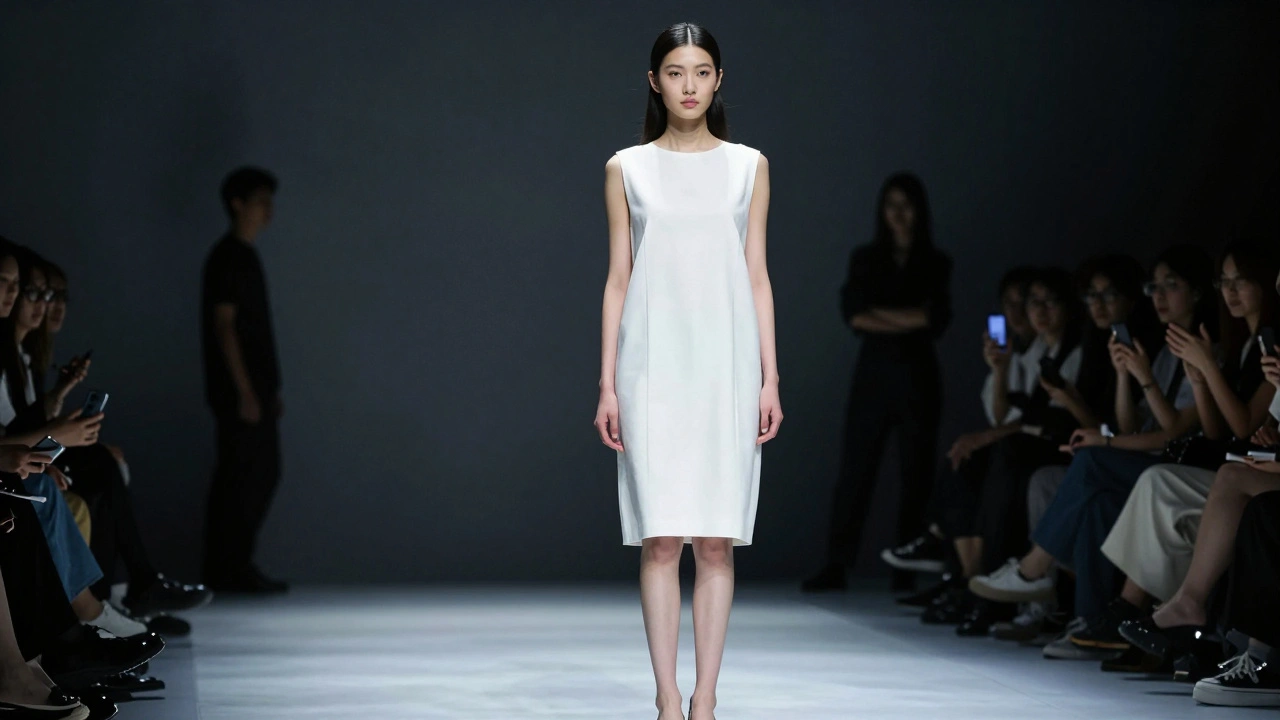
The most successful models aren’t the ones who always look perfect. They’re the ones who show up when they’re exhausted, sick, or emotionally drained. A model from Tokyo once flew from Seoul to Milan with a 102°F fever. She didn’t cancel. She didn’t complain. She showed up, did the shoot, and left quietly. Why? Because she knew that reliability is rarer than beauty.
Agencies remember who shows up. Clients remember who doesn’t flake. In an industry full of talent, consistency is the differentiator. You don’t need to be the most beautiful. You need to be the most dependable.
They Invest in Themselves-Not Just Their Look
Top models don’t just spend money on clothes and hair. They spend it on learning. They take acting classes to improve their expression. They study lighting and composition so they understand what photographers want. They read books on negotiation. They learn basic Photoshop so they can spot retouching that’s too heavy.
One model from Berlin took a six-week course in public speaking. She said it changed everything. “I used to freeze when asked to talk to a brand rep. Now I can explain why I’m right for a campaign-not just because I look good, but because I understand the story.” That kind of confidence turns models into collaborators. And collaborators get booked again.
They Have a Non-Modeling Identity
The models who burn out fastest are the ones who tie their entire worth to their appearance. The ones who last? They have lives outside the industry. They paint. They write. They volunteer. They run marathons. They learn languages.
One model from London, who’s appeared on five Vogue covers, teaches yoga on weekends. Another runs a small podcast about mental health in fashion. They don’t do it to boost their brand. They do it to stay human. When the lights go off and the camera stops rolling, they still know who they are.
They Don’t Compare Themselves to Others
There will always be someone taller, thinner, younger, or more famous. Comparing yourself to them is a trap. Top models don’t scroll through feeds comparing their hips to someone else’s. They focus on their own progress. They measure success in small wins: “Did I nail that pose?” “Did I speak up in the meeting?” “Did I get better at walking in heels?”
They know that the industry changes fast. What’s in style today might be gone tomorrow. But discipline, curiosity, and integrity? Those never go out of fashion.
They Understand That Their Time Is Valuable
Early in their careers, most models say yes to everything. Free shoots. Last-minute calls. Unpaid gigs. The top models learned the hard way: saying yes to everything means saying no to yourself. They started setting boundaries. No more 5 a.m. calls without compensation. No more working through lunch. No more letting agencies dictate their schedule without input.
They learned to say, “I’m available Tuesday and Thursday. My rate is $X. I need 48 hours’ notice.” It wasn’t rude. It was professional. And guess what? Agencies respected them more.
They Keep a Quiet Confidence
You won’t find top models bragging on social media. You won’t hear them talking about how “they’re the next big thing.” They don’t need to. Their work speaks for itself. Their confidence isn’t loud-it’s steady. It’s in the way they hold their head. The way they walk into a room. The way they listen before they speak.
That quiet confidence? It’s built over years of showing up, doing the work, and trusting the process. Not overnight. Not with a viral post. But with daily choices.
Success in fashion modeling isn’t about being perfect. It’s about being persistent. It’s about showing up-even when you’re scared. Even when you’re tired. Even when no one’s watching.
That’s the secret.
Do you need to be extremely thin to become a top fashion model?
No. While some high-fashion brands still prefer very slim figures, the industry has shifted dramatically since 2020. Major agencies now represent a wide range of body types, including curvy, athletic, and petite models. Brands like Savage X Fenty, Aerie, and Fenty Beauty have led the change. Top models today are selected for uniqueness, presence, and professionalism-not just measurements.
How do top models handle rejection?
They treat rejection as data, not defeat. Instead of taking it personally, they ask: What can I improve? Did I look tired? Was my hair wrong? Did I arrive late? They keep logs of feedback and adjust. Many top models have portfolios of past rejections-not to dwell on them, but to track patterns and avoid repeating mistakes.
Is having a large Instagram following necessary to succeed?
Not anymore. While social media helps with visibility, agencies now prioritize real-world performance: how you move, how you take direction, how reliable you are. Many top models have modest followings but book high-end jobs because they’re professional, easy to work with, and deliver consistent results. A brand would rather hire a model with 10K engaged followers who shows up on time than one with 500K who’s late and uncooperative.
Can you become a top model without moving to New York, Paris, or Milan?
Yes. While those cities are traditional hubs, digital casting, virtual fittings, and global brands have made location less critical. Many models now book international jobs remotely. Agencies in cities like London, Berlin, and Seoul have strong global connections. The key is building a strong portfolio and networking with photographers, stylists, and designers-even locally.
How long does it take to become a top fashion model?
There’s no set timeline. Some break through in under a year. Others take five or more. The average time between starting and landing major campaigns is about 3-4 years. What matters isn’t speed-it’s consistency. Models who book at least one job every month, keep improving, and stay professional tend to rise faster than those who wait for “the big break.”
Want to keep going? Start today: update your portfolio, send one email to a local photographer, and write down one thing you’ll improve this week. Not next month. Not when you’re ready. Now.





January 18, 2026 AT 21:12
Joe Marquez
So let me get this straight-you’re telling me the secret to success is doing the bare minimum and pretending it’s revolutionary? Wow. I’ve been wasting my life chasing ‘presence’ and ‘quiet confidence’ when I could’ve just updated a fucking spreadsheet on Sundays.
Also, who the hell writes a 2000-word essay on modeling like it’s the Holy Grail? Next you’ll tell me yoga and handwritten notes got them into Victoria’s Secret.
I’m just here for the free advice on how to get rich without working. This ain’t it, chief.
January 20, 2026 AT 12:45
Talia Bjornson
YES THIS. I’ve been trying to get into modeling and I thought I had to be perfect but this just made me cry in the best way
You don’t need to be skinny or famous or even have 100k followers you just need to show up and keep going even when you’re tired
I just sent my first email to a local photographer today and I feel like I can finally breathe again
You’re not late you’re not behind you’re exactly where you need to be right now
Keep going. I believe in you. I believe in all of us.
One step. One email. One day at a time. You got this.
Love you all. Keep shining.
January 21, 2026 AT 13:37
John Francis Grasso
I used to think modeling was all about looks. Turns out it’s about showing up. Simple. No magic. Just work.
Same with anything worth doing.
January 22, 2026 AT 15:39
Harshad Hisham
What stands out to me is how much of this is about inner discipline not external validation
Most people chase fame but the real power is in consistency
I’ve seen this in my own work as a freelance designer-when I stopped comparing myself to others and focused on showing up daily things started to shift
It’s not about being the best it’s about being steady
And the part about saying no to unsafe shoots? That’s courage
Not many industries reward that kind of boundary
January 23, 2026 AT 06:59
Jimoh Tajuddeen T
Oh wow so now we’re romanticizing burnout? The model who showed up with a 102 fever? That’s not dedication that’s self-harm
And the handwritten thank you notes? Cute. But if you’re not getting paid to do that you’re being exploited
Also why are we pretending this isn’t just capitalism with better lighting?
You don’t need to be ‘dependable’-you need to get paid. And if your agency is making you work through illness? Fire them.
Stop glorifying being a doormat with eyelashes.
January 24, 2026 AT 19:55
Becky Voth
OMG I just started my own portfolio and I was feeling so overwhelmed but this made me wanna cry happy tears
I sent my first email today to a local studio and they actually replied!!
I’m not perfect I made like 3 typos in my bio but I showed up
And the part about having a life outside modeling?? I paint and I’m gonna keep doing it even if no one sees it
Thank you for this
Love you all so much
PS I’m gonna start a no list too I need to track my rejections
YOU GOT THIS
January 26, 2026 AT 16:38
Debasish Maulik
There’s something deeply human here that’s easy to miss
These models aren’t just building careers-they’re building identities outside the industry
That’s the real secret
Because when your worth is tied only to how you look, you’re always one bad shoot away from collapse
But if you’re also a painter, a teacher, a reader, a walker in the woods-you have roots
The industry changes. Trends die. But your humanity? That’s permanent
Maybe the real runway isn’t the catwalk-it’s the quiet space where you remember who you are when the cameras turn off
January 28, 2026 AT 09:02
Triston Foo
Spreadsheets and yoga
Wow. Groundbreaking
So the secret to success is… doing your job?
Who knew
January 28, 2026 AT 18:08
Parker Mullins
What’s interesting is how much of this mirrors other high-pressure creative fields-acting, music, writing
The industry rewards reliability over raw talent because talent is everywhere
What’s rare is someone who shows up on time, respects boundaries, and doesn’t burn bridges
That’s not modeling advice
That’s life advice
January 30, 2026 AT 06:50
Kevin Kuniyoshi
It is axiomatic that the structural incentives of the fashion industry are predicated upon the commodification of corporeal aesthetics. However, the emergent paradigm shift toward professionalization and boundary enforcement represents a non-trivial recalibration of labor norms within this sector.
That said, the romanticization of ‘quiet confidence’ as a substitute for institutional accountability remains a problematic rhetorical device.
One does not achieve professional parity through handwritten notes.
One achieves it through unionization, standardized compensation, and contractual protections.
While the anecdotal evidence presented is compelling, it is not systemic.
Do not mistake resilience for redemption.
Systemic change requires more than spreadsheets.