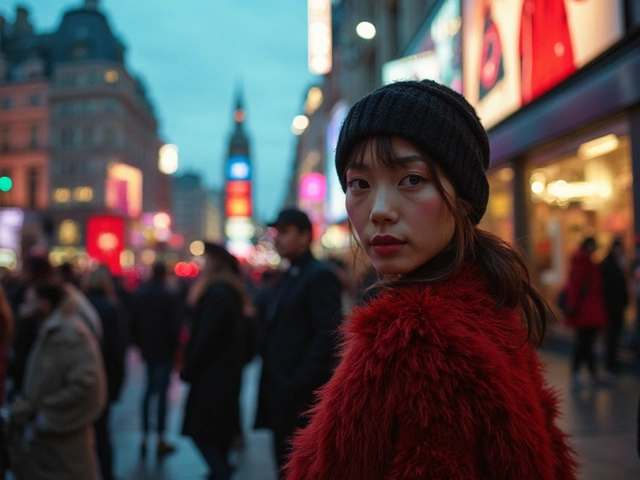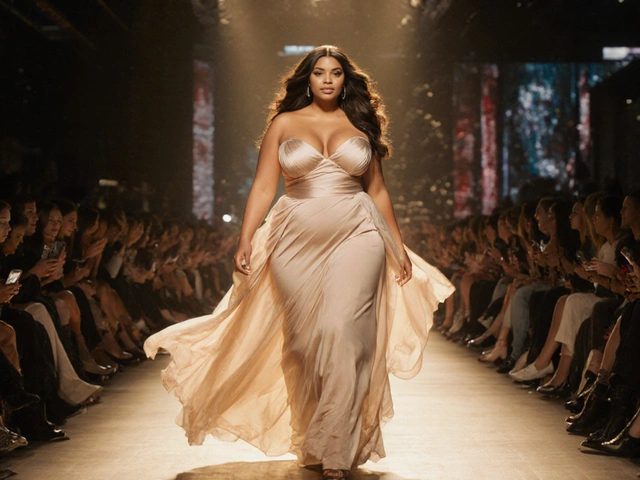
Building a model photoshoot portfolio isn’t about collecting pictures. It’s about telling a story - your story - in a way that makes agencies, photographers, and clients stop scrolling and say, "I need to work with this person." If you’re just starting out, you might think you need expensive gear, high-end studios, or a famous photographer. You don’t. What you need is clarity, consistency, and a few smart choices.
Start with Purpose, Not Just Pictures
Every image in your portfolio should serve a purpose. Are you targeting commercial campaigns? High-fashion editorials? Swimwear brands? Beauty brands? Each niche demands a different look. Don’t throw everything into one folder. A portfolio that tries to be everything ends up being nothing.
For example, if you’re aiming for beauty campaigns, your strongest images should show clean skin, natural lighting, and subtle expressions. No dramatic poses. No over-the-top makeup. Just you, in soft light, looking approachable and trustworthy. If you’re going for editorial, then experiment with bold angles, unusual textures, and emotional intensity. Think runway meets art gallery.
Start by defining three clear directions. Write them down. Then build your shoot list around those. You’ll end up with a focused, powerful collection - not a messy pile of random shots.
Choose Your Photographer Wisely
You don’t need a household name. But you do need someone who understands how to capture a model’s essence. Look for photographers whose work you admire. Check their Instagram, their website, their past portfolios. Do their images feel alive? Or do they look stiff, posed, and lifeless?
Reach out to emerging photographers. They’re often hungry for good models and willing to trade work for portfolio building. A great way to start: offer a TFP (Time for Print) arrangement. You give them your time; they give you high-res, edited images. Make sure the agreement is clear - no vague "we’ll send you some pics later." Ask for delivery timelines and file formats upfront.
Also, don’t ignore local talent. In London, there are dozens of talented students from UAL, Ravensbourne, and CSM who are looking for models to build their own portfolios. They often have access to studios, lighting kits, and creative ideas. You’ll get fresh, unique shots - and you’ll be helping someone else grow too.
Build Variety, But Keep It Clean
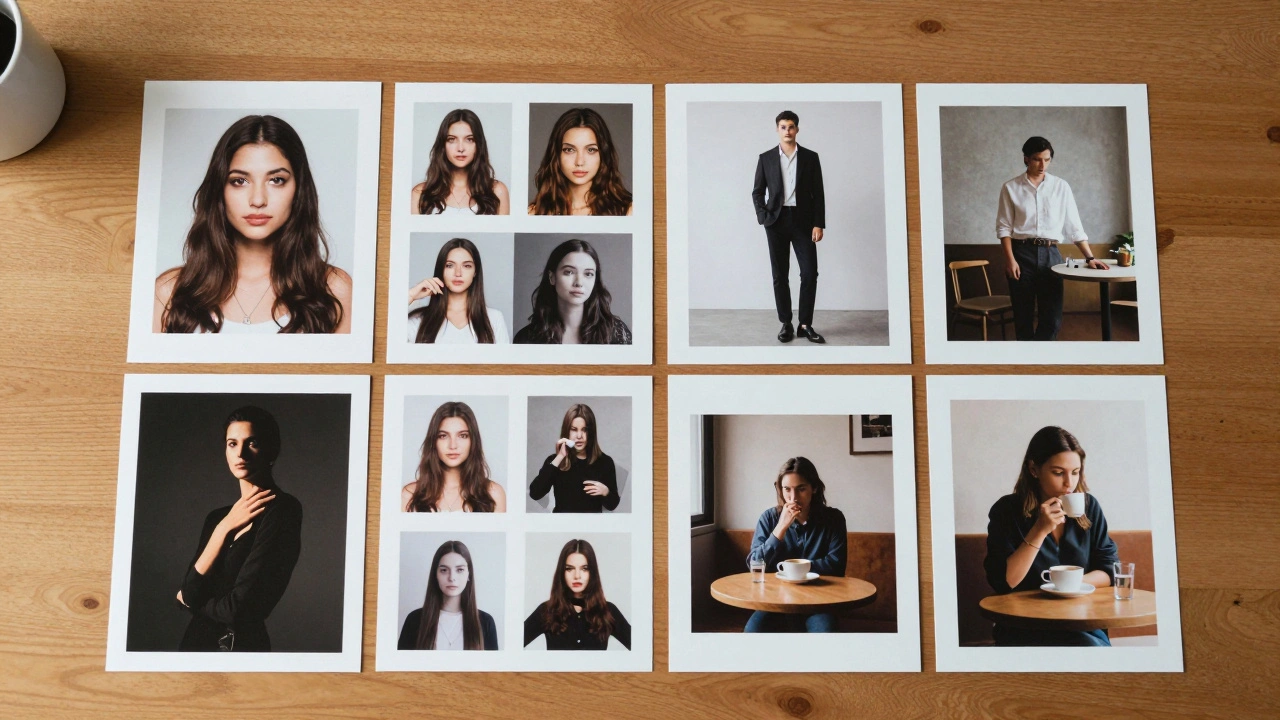
Your portfolio should show range - but not chaos. Aim for 12 to 20 images max. Anything more and people will lose focus. Here’s a simple breakdown that works:
- 3-5 headshots (different expressions: neutral, smile, serious)
- 3-5 full-body shots (standing, walking, turning - show your proportions)
- 2-3 lifestyle shots (in casual clothing, coffee shop, street style)
- 2-3 themed looks (e.g., one editorial, one commercial, one swimwear)
Each shot should be high quality. No blurry images. No bad lighting. No awkward cropping. If a photo doesn’t make you proud - cut it. Agencies see hundreds of portfolios. Yours needs to stand out because it’s polished, not because it’s long.
One mistake I see over and over: models include old shots from high school, or photos where they’re wearing sunglasses indoors, or images with cluttered backgrounds. These hurt more than they help. Be ruthless. Your portfolio is your resume. Would you send a job application with typos? No. Don’t send a portfolio with weak images.
Lighting and Location Matter More Than You Think
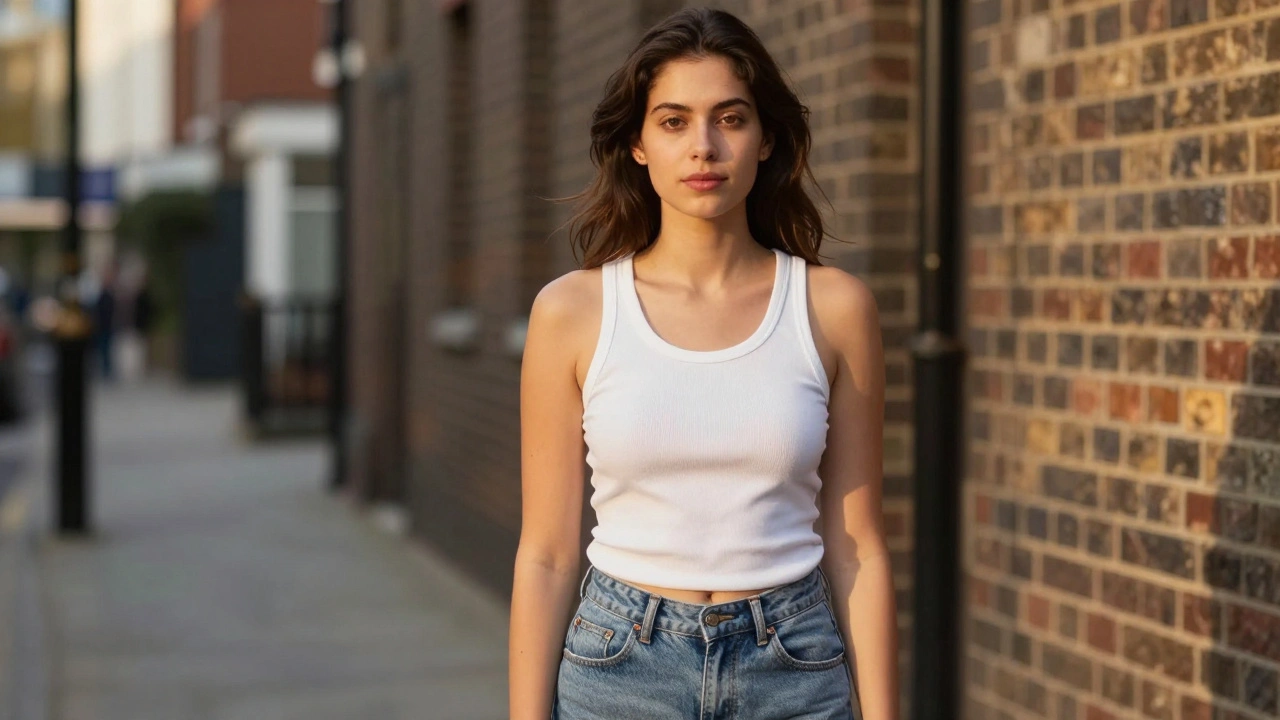
You don’t need a studio. Natural light is often better. Golden hour - that hour after sunrise or before sunset - is magic. It softens skin, adds warmth, and makes everything look expensive without spending a penny.
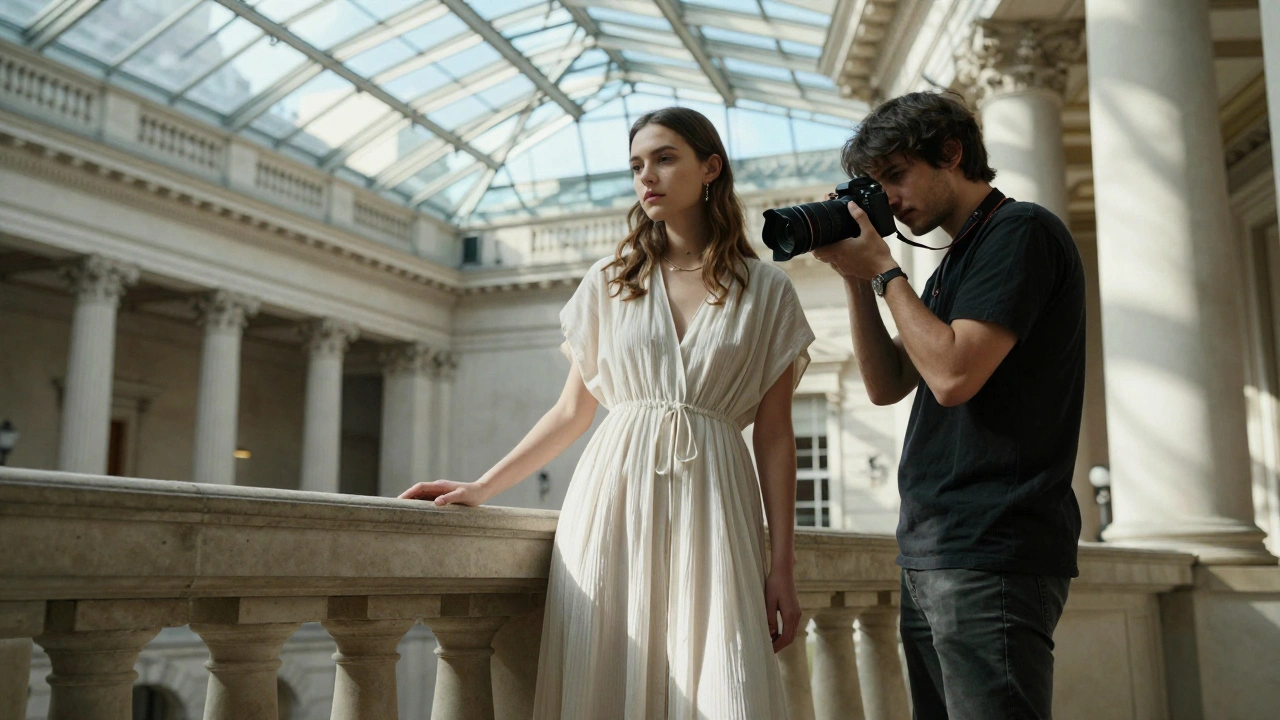
Find locations that add character: brick alleyways in Shoreditch, the glass ceiling at the Royal Academy, the quiet corners of Victoria Park. Avoid generic backdrops like white walls or blank studios unless you’re doing a specific commercial look. Real places tell real stories.
And remember: your skin tone, hair texture, and body shape respond differently to light. Test before you shoot. Take a few test shots under different lighting. See how your features change. Then choose the one that flatters you most.
Editing: Less Is More
Editing should enhance, not erase. A little skin smoothing? Fine. Removing a pimple? Okay. Making your legs look longer? No. Changing your face shape? Absolutely not.
Agencies and clients want to see the real you. If you look completely different in your portfolio than in person, you’ll lose trust - and maybe a job. Keep edits subtle: adjust brightness, balance contrast, crop for composition. That’s it.
Ask your photographer to deliver unedited RAW files. Then, if you’re not confident editing yourself, hire a retoucher for $50-100 to clean up just the final 12 images. It’s a small investment that pays off in professionalism.
Organize It Like a Pro
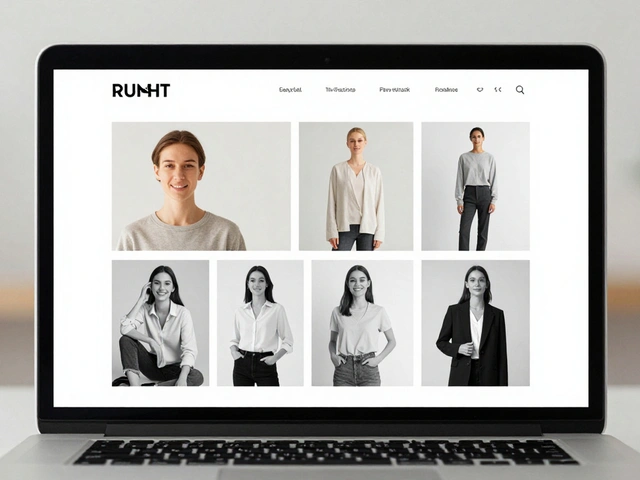
Your portfolio isn’t just a folder on your phone. It needs structure. Create a simple website. Use free tools like Squarespace, Wix, or even Instagram Highlights (if you’re just starting). But make sure:
- Images are high resolution (at least 1500px wide)
- File names are clean: "ModelName_Headshot_01.jpg" - not "IMG_1234.jpg"
- There’s a clear bio: 2-3 sentences about who you are and what you do
- Contact info is easy to find
Also, create separate PDF versions for agencies. Name it "ModelName_Portfolio_2026.pdf". Include your measurements, height, hair and eye color, and experience (even if it’s just a few gigs). Keep it one page. No fluff. Just facts.
Update Regularly - Don’t Let It Go Stale
A portfolio from 2023 is dead in 2026. Even if you’re not shooting often, update it every 4-6 months. Add new images. Remove old ones. Your body changes. Your style evolves. Your portfolio should too.
When you land a new job - even a small one - take a few shots from it. Add them. It shows you’re active. It shows you’re growing. Agencies notice consistency.
What Agencies Actually Look For
Here’s what really matters: versatility, reliability, and professionalism. They don’t care if you’re 5’10" or 5’8". They care if you can follow direction, show up on time, and look great in different lighting, outfits, and moods.
One agency in London told me: "We don’t hire the prettiest model. We hire the one who shows up ready, understands lighting, and doesn’t need constant hand-holding."
That’s your goal. Not to be perfect. But to be dependable.
Common Mistakes to Avoid
- Using selfies as portfolio shots - unless they’re professionally lit and edited
- Including photos with visible tattoos unless you’re targeting alternative or body-art brands
- Having mismatched styles - one shot in a ballgown, next in gym wear, next in a suit - without clear categorization
- Forgetting to credit photographers - always include their name in your captions or bio
- Sharing unedited, raw files with agencies - they expect polished work
One last thing: never send your entire Instagram feed. Curate. Select. Present. Your portfolio is your brand. Treat it like one.
Next Steps: Your 30-Day Action Plan
- Define your 3 target niches (e.g., commercial, editorial, swimwear)
- Reach out to 3 local photographers - propose a TFP shoot
- Choose 2 locations - one natural, one urban
- Shoot at least 50 images across the sessions
- Pick your top 15
- Edit them (or hire someone to do it)
- Build your website or PDF portfolio
- Send it to 5 small agencies - even if they’re not "big names"
Do this in 30 days. You’ll have a real, working portfolio. Not a dream. Not a hope. A tool. And that’s how careers start.
How many photos should I include in my model portfolio?
Aim for 12 to 20 high-quality images. More than that overwhelms viewers. Fewer than 10 doesn’t show enough range. Focus on variety within your niche - headshots, full-body, lifestyle, and themed looks. Quality always beats quantity.
Can I use phone photos for my portfolio?
Yes - but only if they’re professionally lit, well-composed, and edited. Many models now start with iPhone shots taken in natural light. The key is consistency: sharp focus, clean background, flattering angles. If your phone photos look like casual snaps, skip them. Use them to test ideas, not to present.
Should I include swimwear or lingerie shots?
Only if you’re targeting those markets. If you want commercial, beauty, or fashion work, keep them separate. Include swimwear in its own section or as a standalone portfolio. Many agencies prefer models to have a "clean" portfolio for general bookings, with a separate link for more revealing work.
Do I need a professional website?
You don’t need a custom-built site, but you do need a clean, easy-to-navigate online presence. Use free platforms like Squarespace, Wix, or even a dedicated Instagram profile with organized Highlights. Agencies expect a digital portfolio - a PDF alone isn’t enough anymore.
How often should I update my portfolio?
Every 4 to 6 months. Even if you haven’t had a shoot, refresh your top images. Remove anything outdated. Add new ones from recent jobs, even small ones. A stale portfolio signals inactivity - and agencies notice.