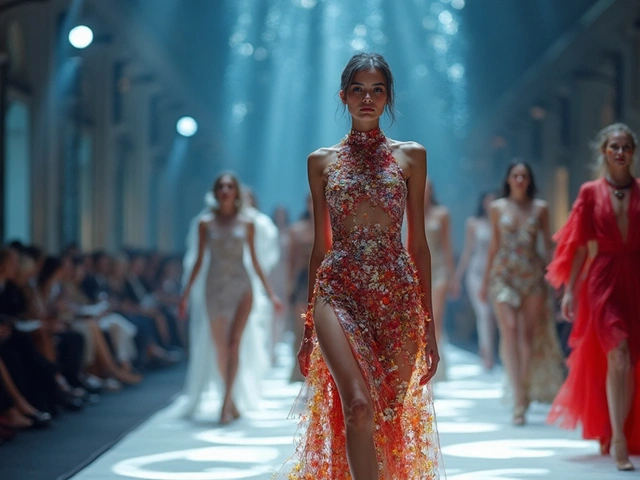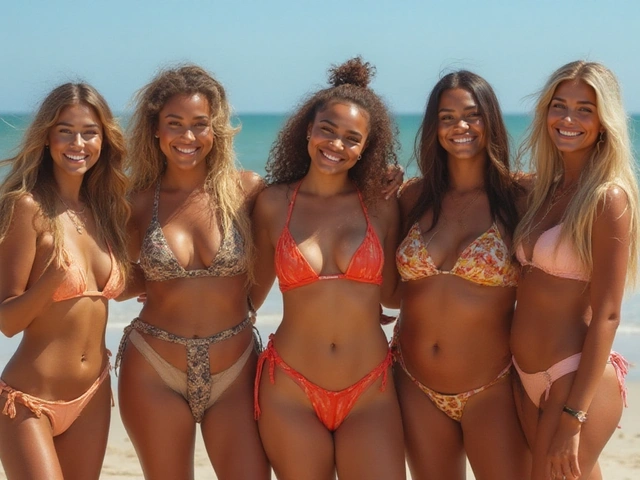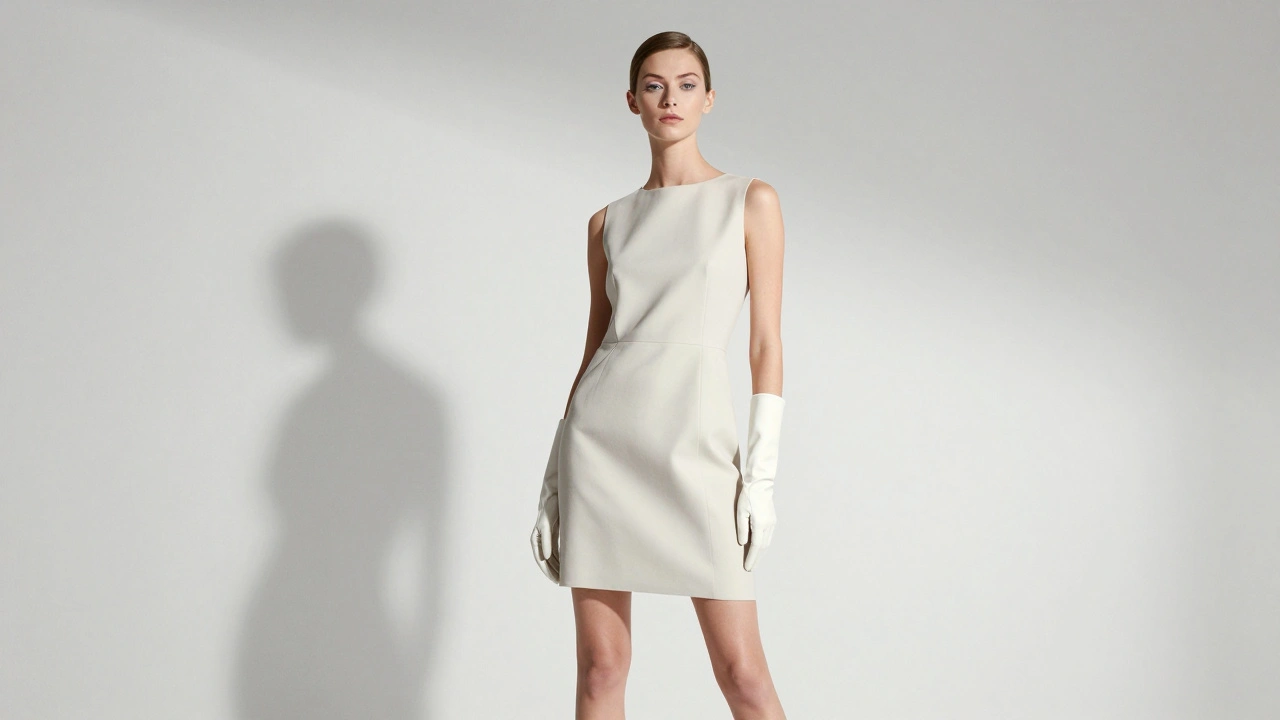
For decades, the pages of high fashion magazines like Vogue, Harper’s Bazaar, and Elle have been more than just ads and runway shots-they’ve been cultural mirrors. And for most of that time, the women featured in those editorials followed a narrow, rigid standard: tall, thin, and often white. But that changed. Not overnight, not by accident, but through protest, pressure, and quiet rebellion from models, photographers, and readers who refused to accept the same old story.
What Editorials Really Are
An editorial in fashion isn’t about selling a dress. It’s about telling a story. A mood. A statement. Think of it like a short film shot in silk and leather, where the model isn’t just wearing the clothes-she’s embodying an idea. In the 1960s, that idea was often purity, detachment, and unattainable beauty. Models like Twiggy and Veruschka were admired, but rarely seen as people. They were icons, not individuals.
By the 1990s, the supermodel era turned models into celebrities. Naomi Campbell, Cindy Crawford, and Claudia Schiffer weren’t just posing-they were commanding attention. But even then, the range of bodies, skin tones, and backgrounds stayed painfully limited. A Black model on the cover of Vogue was still rare. A plus-size model? Almost unheard of. A model over 30? Forget it.
The Shift That Changed Everything
The real turning point didn’t come from a fashion executive’s memo. It came from a 2012 New York Times article that showed how 93% of models on the covers of major fashion magazines were underweight. That stat sparked outrage. Social media exploded. #BodyPositivity and #RepresentationMatter became more than hashtags-they became demands.
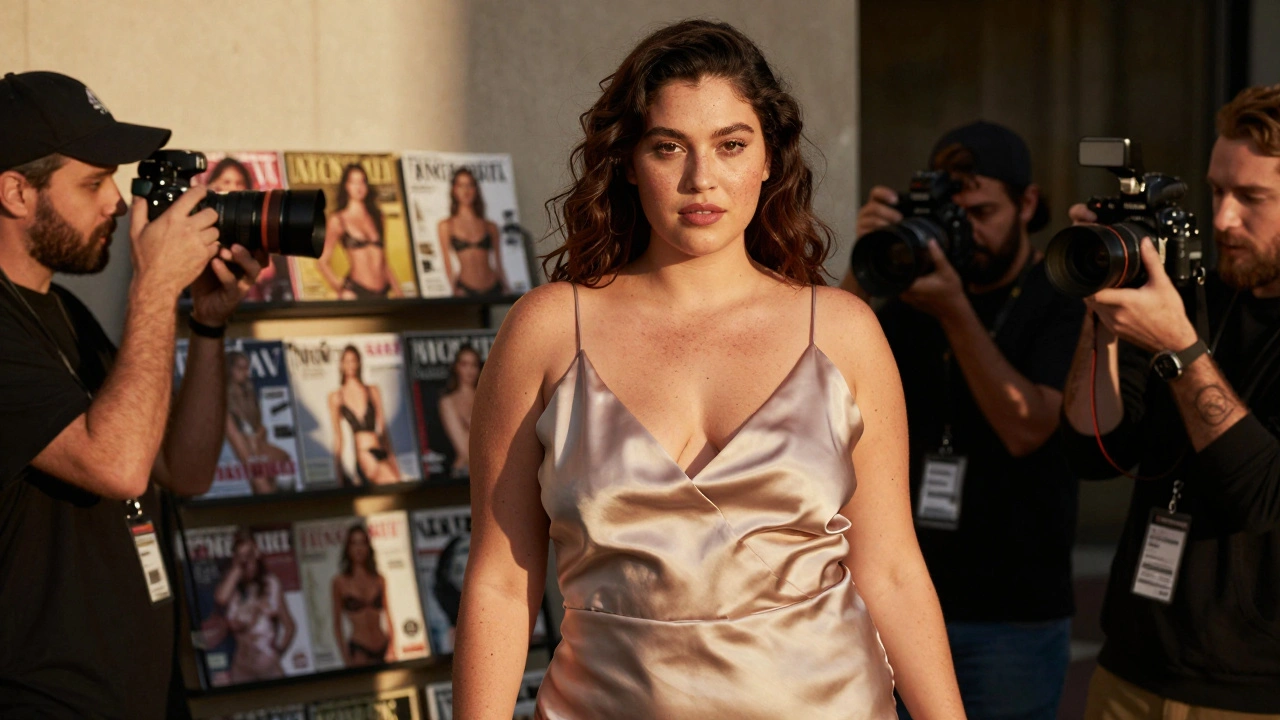
By 2015, Elle put Ashley Graham on its cover-the first plus-size model ever. In 2017, Vogue featured model Paloma Elsesser, who identifies as curvy and queer, in a full editorial. No filter. No airbrushing. Just her.
That same year, the British Fashion Council announced new guidelines: no underweight models on runways or in editorial shoots. The industry didn’t wait for a law-it started rewriting its own rules.
Who’s Leading the Change?
It wasn’t just magazines. Photographers like Steven Meisel and Peter Lindbergh started pushing back. Lindbergh famously shot models without makeup in the 1990s, showing their freckles, stretch marks, and tired eyes. He called it honesty. The industry called it risky.
Models themselves became the loudest voices. Ashley Graham didn’t just walk runways-she spoke at panels, wrote books, and called out brands that still used size 0 models while claiming to celebrate diversity. Adwoa Aboah, a British model of Ghanaian descent, launched Gurls Talk, a platform for young women to share mental health stories. She didn’t just model clothes-she built a movement.
And then came the pandemic. With photoshoots canceled and studios empty, editors had to rethink everything. Suddenly, real skin, real bodies, and real stories mattered more than perfect lighting. A model with acne got a cover. A woman with gray hair shot a campaign for Chanel. A trans model, Valentina Sampaio, became the first openly trans woman on the cover of Vogue Brasil in 2020. By 2023, she was on the cover of Vogue Paris too.
The Numbers Don’t Lie
In 2018, a study by the Fashion Spot tracked 1,300 editorial spreads across 10 major fashion magazines. Only 12% featured models of color. By 2025, that number had jumped to 48%. The change wasn’t cosmetic-it was structural.
Age? In 2015, only 3% of editorial models were over 40. In 2025, it’s 27%. Height? The average model height has dropped from 5’10” to 5’8”. Weight? The BMI threshold for editorial work has been raised from 17.5 to 18.5, and many editors now refuse to work with anyone below 19.
It’s not perfect. But it’s progress. And it’s visible.
What’s Still Missing?
Progress doesn’t mean perfection. While more Black, Asian, and Latina models appear in editorials, they’re still often cast in stereotypical roles-the “exotic” model, the “tribal” aesthetic, the “urban” look. Diversity without depth is still tokenism.
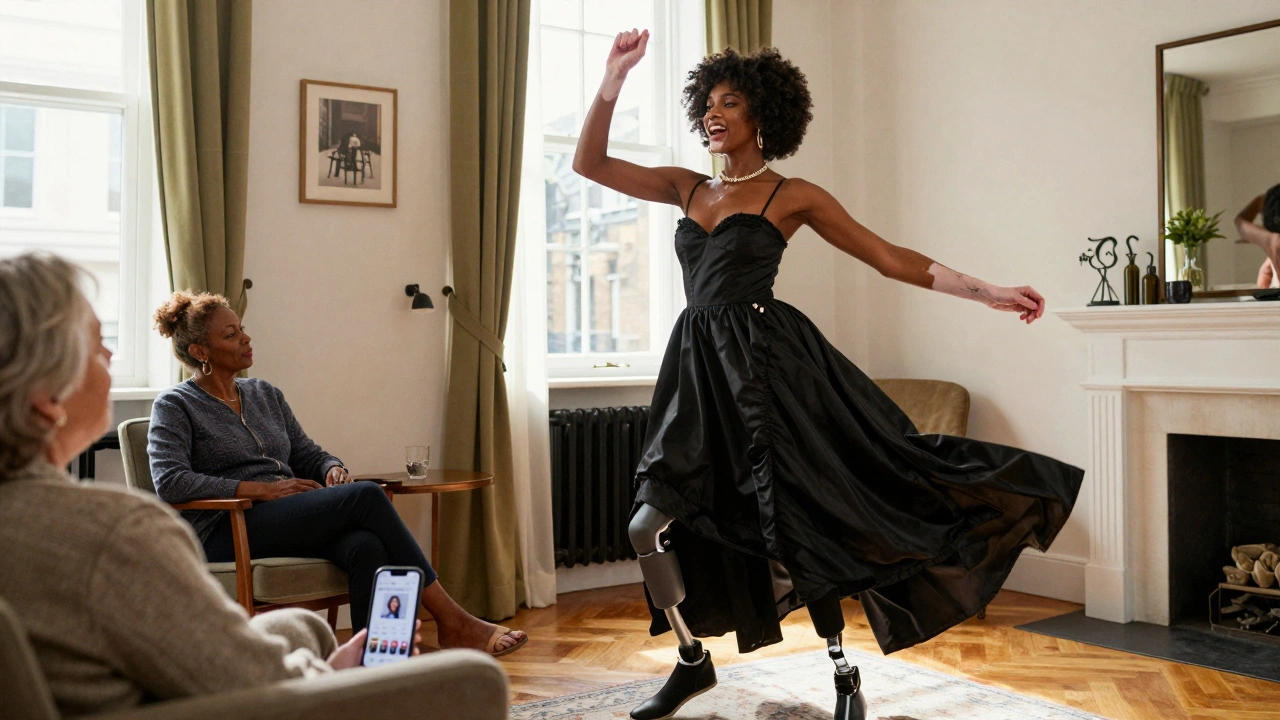
Disability representation? Still almost invisible. A model in a wheelchair? Rare. A model with vitiligo? Even rarer. A model with a prosthetic limb? You’ll find her in a commercial ad, but not on the cover of Harper’s Bazaar.
And while size diversity has improved, the industry still clings to the idea that “real women” must be curvy-but not too curvy. There’s still a ceiling. A size 16 might get a spread. A size 20? Still fighting for a seat at the table.
How Brands Are Responding
Some brands still treat diversity like a marketing campaign. But others are doing the hard work. L’Oréal Paris stopped using the word “normal” in its ads in 2021. They now say “real.”
Net-a-Porter launched a dedicated editorial series called “Real Bodies, Real Style” in 2022. It features women aged 25 to 70, with stretch marks, scars, and cellulite. No retouching. No filters. Just clothing on real people. The campaign’s engagement rate was 40% higher than their average.
Even Vogue has changed. Their “73 Questions” series now includes models who are mothers, who speak multiple languages, who have disabilities, who are non-binary. One video features a model who uses a cane and talks about her journey with lupus. It’s not just about looks anymore. It’s about identity.
The Future Isn’t Just Inclusive-It’s Intersecting
The next wave isn’t just about adding more women. It’s about showing how identity layers together. A Black trans woman with a disability who’s also a mother. A plus-size model who’s a poet. A model who’s 50 and still gets booked for couture shows.
Photographers are starting to shoot these stories with the same care they once gave to flawless skin. Lighting now highlights freckles instead of hiding them. Makeup artists are leaving birthmarks visible. Hair stylists are embracing natural textures-not taming them.
And young models? They’re not waiting for permission. TikTok has become the new editorial board. A 17-year-old from Lagos, Nigeria, got 2 million likes for a video of her in a Balenciaga gown, dancing in her grandmother’s living room. That video led to a shoot with British Vogue. No agency. No PR team. Just authenticity.
Why This Matters Beyond Fashion
These changes aren’t just about clothes. They’re about who gets to be seen as beautiful. Who gets to be powerful. Who gets to be human.
When a girl sees a model on a magazine cover who looks like her-same skin tone, same body shape, same scar-she doesn’t just feel seen. She starts to believe she belongs.
That’s the quiet revolution happening in high fashion editorials. It’s not about trends. It’s about truth. And truth, finally, is having its moment.
When did editorial modeling start to change for female models?
The turning point began around 2012, after a New York Times study revealed that 93% of models on major magazine covers were underweight. Public backlash, social media movements like #BodyPositivity, and pressure from models themselves pushed magazines to rethink their standards. By 2015, major publications like Elle and Vogue started featuring plus-size, diverse, and older models in leading editorials.
Are there still size restrictions in high fashion editorials?
Yes, but they’ve loosened significantly. In the 2000s, models were often required to have a BMI below 17.5. Today, most major magazines require a minimum BMI of 18.5, and many editors refuse to work with anyone below 19. While size 16 models are now common, those above size 20 still face barriers-though that’s slowly changing thanks to campaigns like Net-a-Porter’s “Real Bodies, Real Style.”
Why are older female models getting more editorial work now?
As the audience for fashion magazines has aged, so has the demand for relatable imagery. In 2015, only 3% of editorial models were over 40. By 2025, that number jumped to 27%. Brands realized that women over 40 spend billions on fashion, and they want to see themselves represented-not just as mothers or grandmothers, but as powerful, stylish, and desirable. Icons like Isabella Rossellini and Helen Mirren have helped normalize this shift.
Do high fashion magazines still use heavy photo editing on models?
Less than before, but it’s not gone. Many magazines now have policies against retouching skin texture, stretch marks, or natural body shapes. Vogue and Elle have publicly banned airbrushing body lines. However, lighting, background, and color grading are still heavily manipulated. The shift isn’t about eliminating editing-it’s about editing with respect.
How has social media influenced editorial modeling?
Social media turned models into storytellers. Instead of waiting for magazine editors to choose them, models now build audiences on Instagram and TikTok. A viral post can lead to a cover shoot-no agency needed. This has forced traditional magazines to pay attention to real, unfiltered voices. It also means diversity isn’t just curated by editors anymore-it’s demanded by the public.