Top models aren't just walking mannequins in designer clothes. They’ve become cultural signposts-shaping how we think about beauty, power, identity, and even politics. Forget the runway. Look at the headlines. The real story of top models isn’t about who wore what in Paris. It’s about who changed the game.
From Runway to Revolution
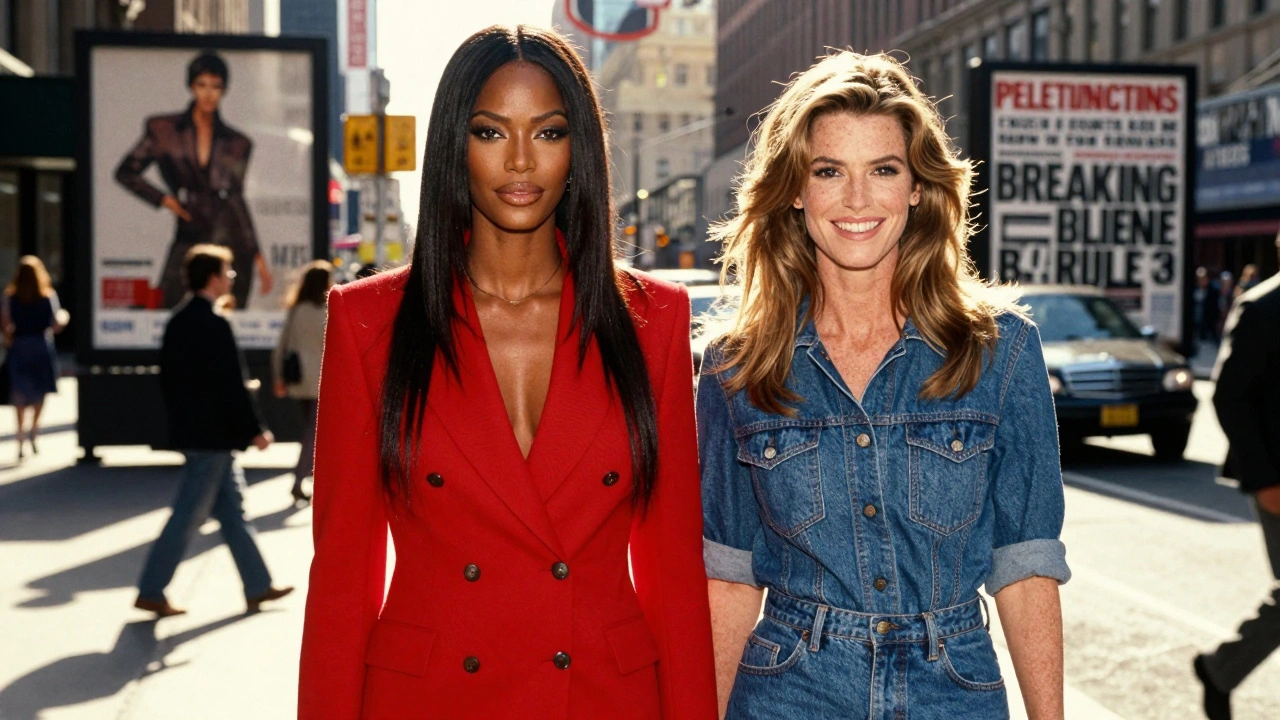
In the 1980s, models like Naomi Campbell and Cindy Crawford didn’t just sell jeans. They redefined what a woman could be. Campbell, the first Black model to land a CoverGirl contract, broke barriers no one had dared to challenge. Crawford, with her freckles and gap-toothed smile, made perfection feel human. These weren’t accidents. They were deliberate shifts in who got to be seen-and who got to be admired.
By the 2000s, models started speaking up. Gisele Bündchen used her platform to push for environmental causes. Kate Moss didn’t just model for H&M; she became a symbol of body diversity when she spoke out against airbrushing. The industry tried to keep them quiet. But the public wasn’t buying it anymore.
The Power of Visibility
When a top model walks into a room, people notice. Not because of the heels or the hair. But because they’ve been trained to see them as icons. That’s not just marketing-it’s cultural programming.
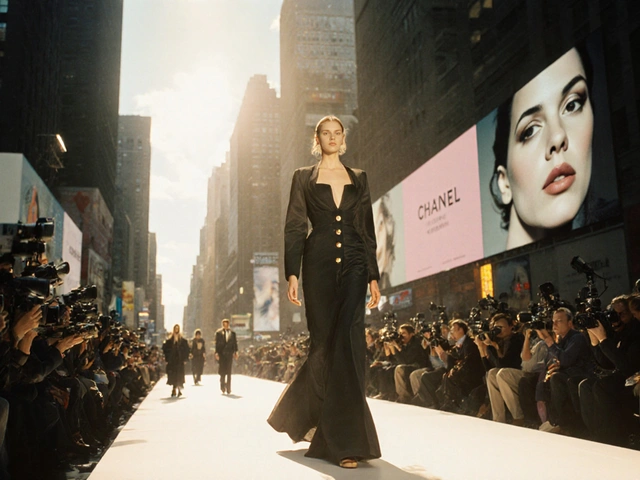
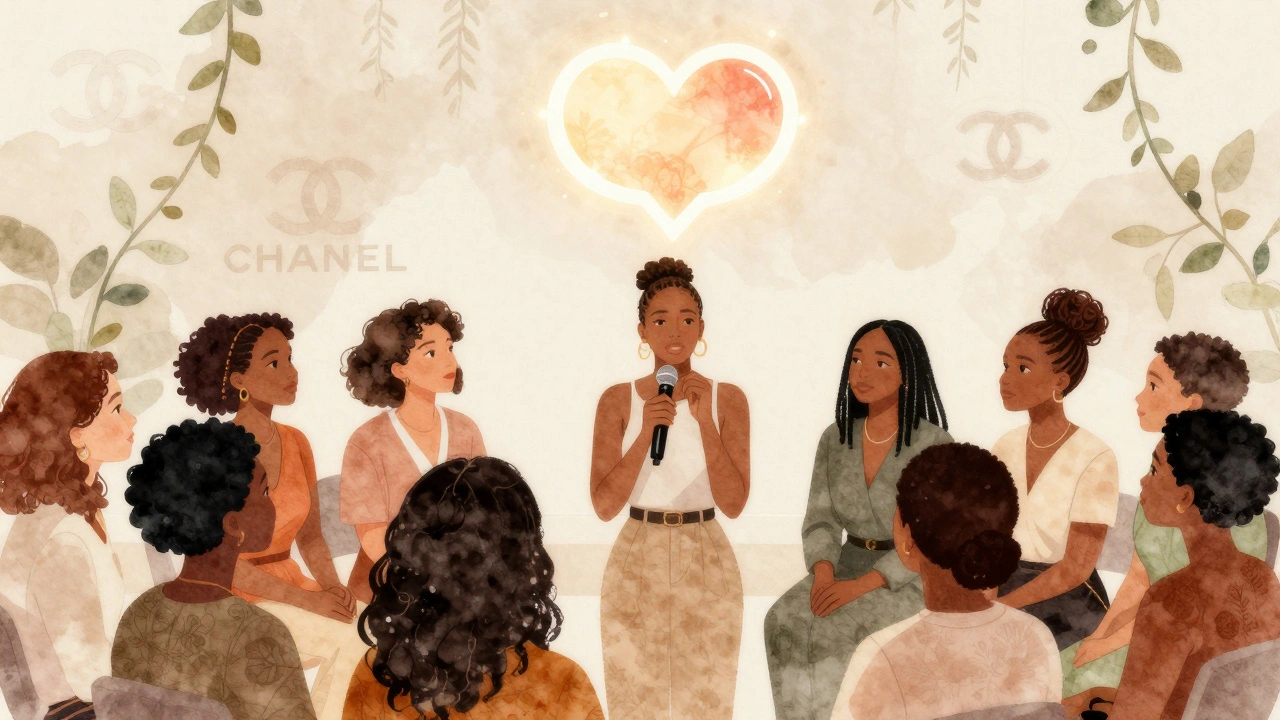
Take Adwoa Aboah. She didn’t just walk for Chanel. She founded Gurls Talk, a platform for young women to share mental health struggles. Suddenly, a model wasn’t just selling perfume. She was offering therapy. And millions listened.
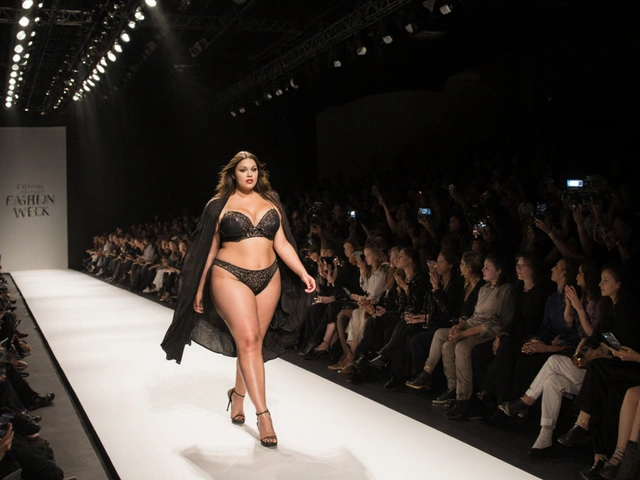
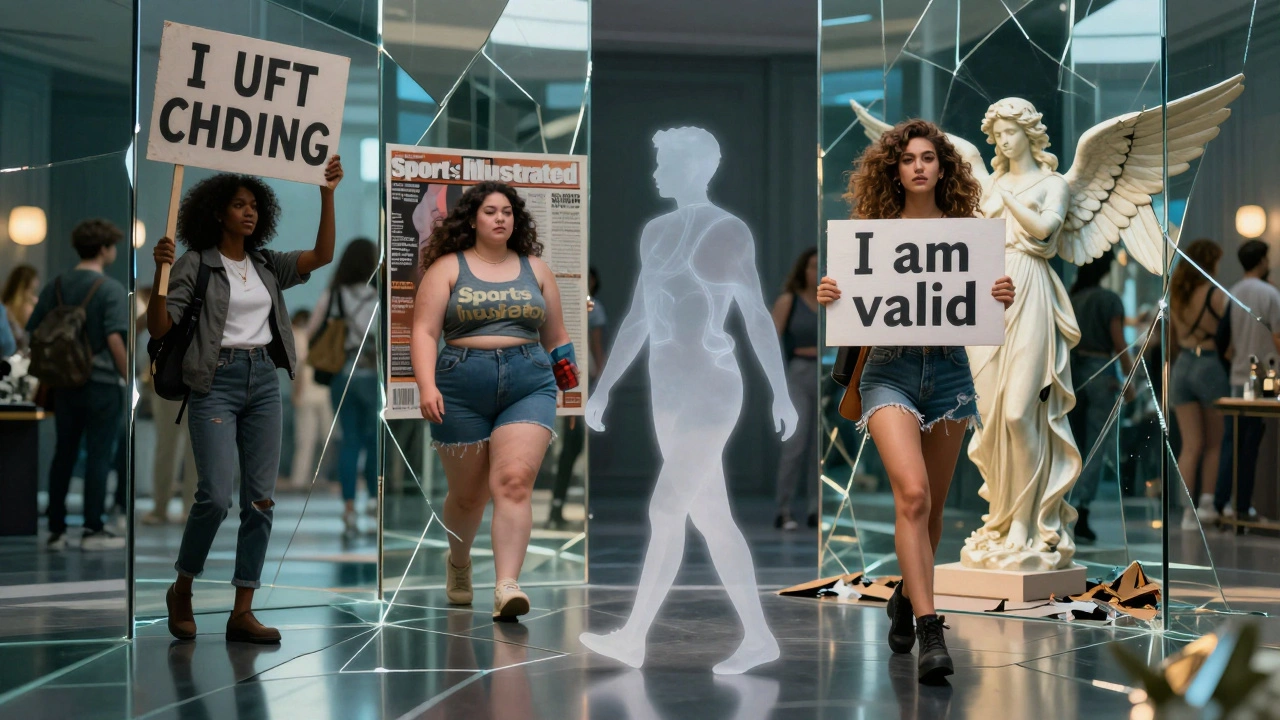
Or consider Ashley Graham. As one of the first plus-size models to grace the cover of Sports Illustrated, she didn’t just change the size of the model. She changed the conversation. Body positivity stopped being a niche movement. It became mainstream because a model with curves stood on a magazine cover-and sold out within hours.
These aren’t side projects. They’re extensions of their influence. Brands don’t just pay them to wear clothes. They pay them to lead movements.
Model Activism: When the Catwalk Becomes a Protest
Top models have always had visibility. But now, they’re using it like a megaphone.
In 2020, after the murder of George Floyd, models like Jourdan Dunn and Precious Lee used their Instagram feeds to organize protests, share resources, and demand change in the fashion industry. Dunn didn’t just post a black square. She tagged 12 major agencies and demanded diversity quotas. Within weeks, three of them publicly committed to hiring more Black models.
Victoria’s Secret used to dominate the industry with its angel fantasy. Then, in 2019, they fired their entire angel lineup. Why? Because models like Cara Delevingne and Lily Aldridge had been speaking out for years about the toxic messaging behind the brand. The public didn’t just stop buying-they started boycotting. The brand collapsed within two years.
This isn’t luck. It’s strategy. Models now have more followers than most politicians. Their voices carry weight. And brands can’t ignore it.
The Dark Side of the Spotlight
But this power comes at a cost.
Many top models struggle with mental health. The pressure to stay thin, young, and flawless is relentless. In 2023, a study by the British Psychological Society found that 68% of top models reported symptoms of anxiety or depression-higher than any other profession in the arts.
And it’s not just personal. The industry still has deep flaws. Models of color are often hired for diversity campaigns but then excluded from high-fashion editorials. Trans models still face rejection from agencies that say they’re "not the look."
Even with all their influence, top models are still trapped in a system designed to exploit them. They’re paid per job. No health insurance. No pension. No union. And when they speak out, they’re often blacklisted.
Who Really Benefits?
Here’s the uncomfortable truth: the culture shifts we see aren’t because models suddenly became saints. They’re because the public demanded change. Social media gave us direct access. We saw the cracks. We called out the lies. And models, smart ones, leaned into that.
It’s not that models are heroes. It’s that we stopped treating them like objects.
When a model like Imaan Hammam speaks out about her Moroccan heritage, or when a trans model like Munroe Bergdorf talks about gender identity, they’re not just being themselves. They’re giving permission to others to do the same.
That’s the real impact. Not the billion-dollar campaigns. Not the Vogue covers. But the quiet moments-when a teenager in Lagos sees a model who looks like her on a billboard and thinks, "I could be that."
The Future Is Already Here
Today’s top models aren’t waiting for permission. They’re building their own platforms. Some are launching fashion lines. Others are producing documentaries. A few are even starting modeling agencies that prioritize mental health over measurements.
Look at the rise of independent model collectives like The Model Alliance. Founded in 2012, it now represents over 2,000 models worldwide. They’ve pushed for fair pay, anti-harassment policies, and mental health support. And they’re winning.
The next generation of models won’t just be beautiful. They’ll be lawyers, therapists, activists, and CEOs. Because the role of a top model isn’t what it used to be. It’s bigger now. And it’s only getting bigger.
So the next time you see a model on a billboard, don’t just admire the outfit. Ask: What are they saying? Who are they lifting up? And what are they changing?
Because the answer might surprise you.