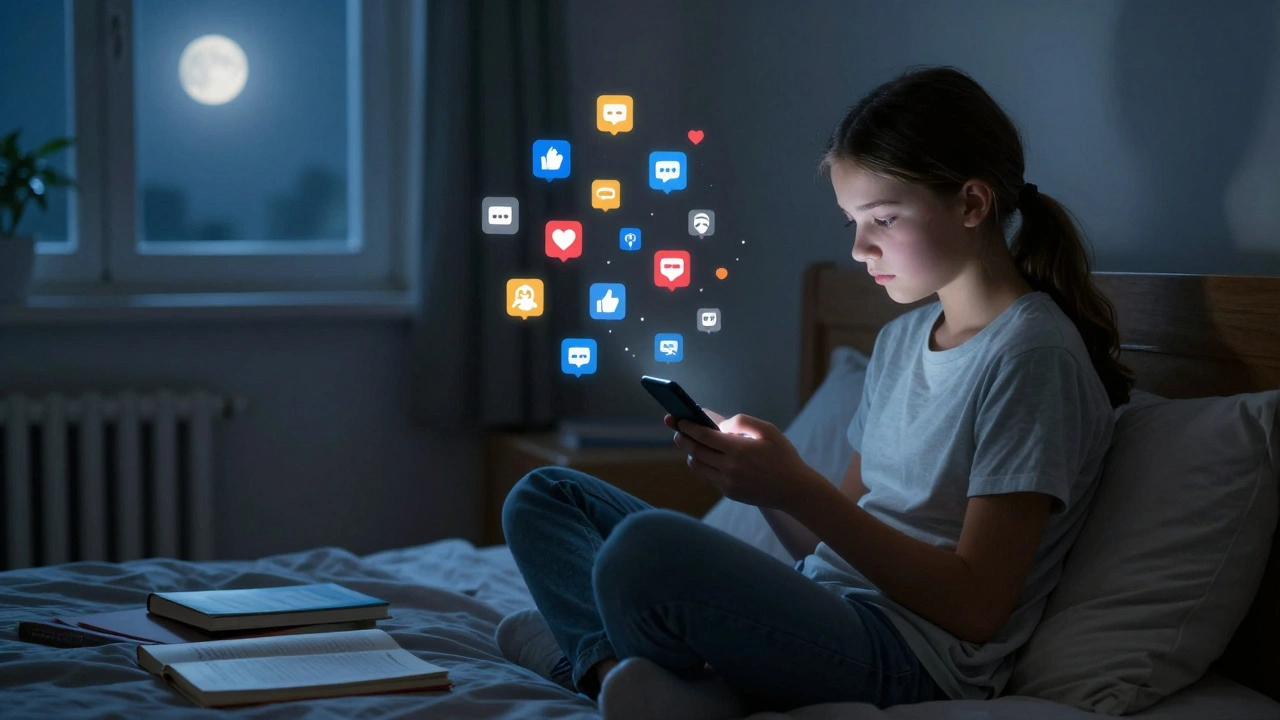
When a 14-year-old posts a photo in a swimsuit and gets 50,000 likes in an hour, it’s not just a win-it’s a turning point. For many teens today, modeling isn’t about runway shows or magazine spreads anymore. It’s about Instagram, TikTok, and YouTube. The line between self-expression and exploitation has never been blurrier. And for every success story you see, there are five others no one talks about-kids who burned out, got scammed, or lost their sense of self in the chase for clicks.
What Teen Modeling Really Looks Like Today
Teen modeling used to mean signing with an agency, doing a few shoots, and maybe appearing in a catalog. Now, it’s a 24/7 job. Teens are expected to post daily, engage with fans, respond to DMs, and keep up with trends-all while balancing school, family, and mental health. A 2024 survey by the UK’s Children’s Commissioner found that 1 in 7 teens aged 13-17 have been approached online to model, and nearly half of those didn’t know their rights.
There’s no formal training. No contracts. No adult supervision in most cases. Parents might say yes because their kid is getting attention. But attention doesn’t pay bills. And it doesn’t protect you from predators.
The Hidden Costs of Online Fame
Let’s be clear: not all teen models are in danger. Some build legitimate brands, work with ethical brands, and earn real income. But the system is stacked against them. Platforms don’t verify age. Algorithms reward provocative content. And once something is online, it’s never really gone.
One 16-year-old from Bristol told me she started posting workout photos to boost her confidence. Within months, she was getting offers from private photographers-some asking for nude shots. She didn’t know how to say no. She didn’t know who to tell. By the time her parents found out, 12,000 people had downloaded her images. That’s not fame. That’s vulnerability.
Studies from the University of Cambridge show that teens who gain rapid online fame are 3x more likely to develop anxiety, body dysmorphia, or depression within a year. The pressure to look perfect, post constantly, and stay relevant is crushing. And there’s no retirement plan. No severance. No therapy covered by a modeling contract.
How Brands Are Taking Advantage
You’ve seen the ads: "Join the next big teen influencer!" These aren’t harmless campaigns. They’re carefully designed to bypass parental oversight. Brands use teen models because they’re cheap, relatable, and easily manipulated. A 15-year-old might work for $200 and a free hoodie. A 25-year-old professional gets paid £1,500 and legal representation.
Some companies even create fake "modeling schools" that charge hundreds of pounds for "portfolio building"-then sell the photos to third parties. These aren’t agencies. They’re data harvesters. And they’re not breaking any laws… because the laws haven’t caught up.
In 2025, the UK government introduced new guidelines requiring platforms to flag content featuring minors under 16 that could be considered sexually suggestive. But enforcement? Still patchy. Most reports go unanswered. And the kids? They’re left to clean up the mess alone.
What Parents Need to Know
If your teen is into modeling, don’t panic-but don’t ignore it either. Here’s what actually matters:
- Check who’s contacting them. Legitimate agencies don’t message on Instagram DMs. They use email, phone calls, or formal applications.
- Read every contract. Even if it’s just a "collaboration." No contract should give them rights to your child’s images beyond a single campaign. No "exclusive rights" or "perpetual use."
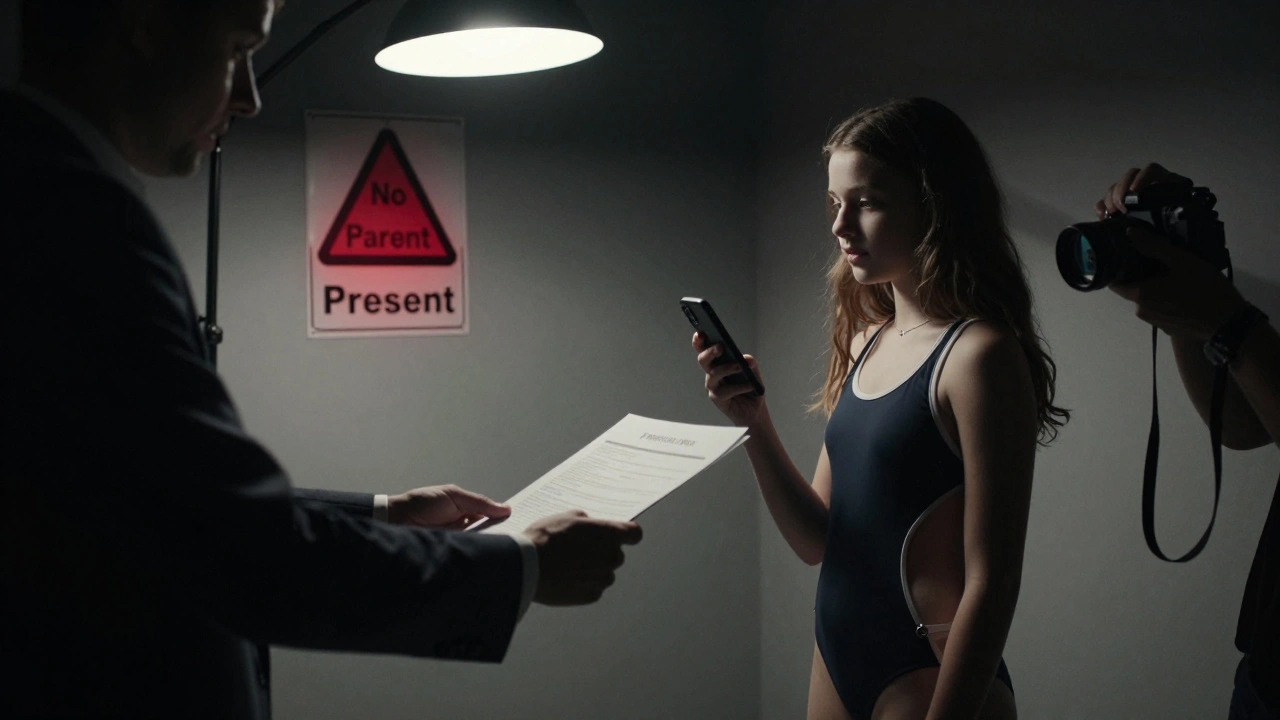
- Require an adult rep. If they’re under 16, they should never be alone with a photographer, producer, or client. Always have a parent or guardian present.
- Know the law. In the UK, it’s illegal to profit from images of minors without parental consent. If someone’s making money off your teen’s photos, they’re breaking the law.
And if your teen wants to post their own content? Talk about boundaries. Not censorship. Help them understand what’s safe, what’s smart, and what could haunt them at 25.
Real Paths to Success-Without the Risk
Not every teen needs to be viral to build a future in fashion. There are better ways.
- Apply to youth modeling programs run by reputable agencies like Models1 a UK-based youth modeling agency founded in 2008 with strict child protection policies. They require parental consent, provide legal support, and limit shoots to school holidays.
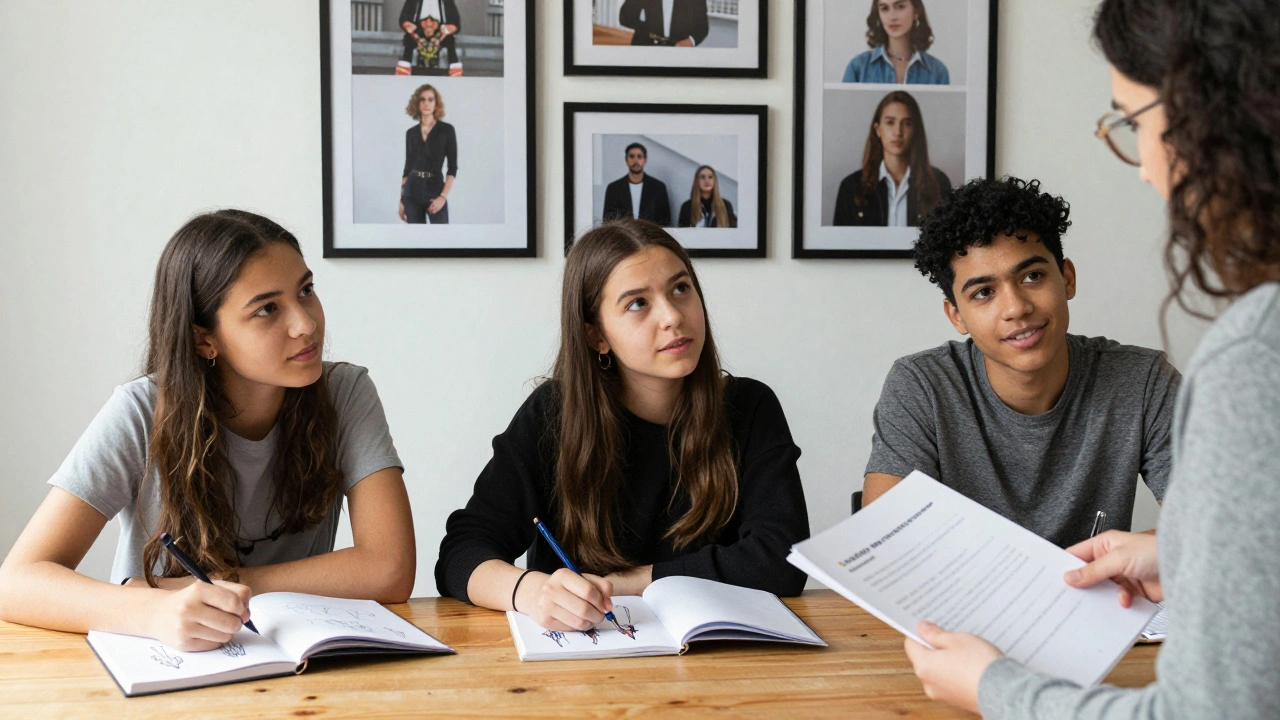
- Join a school photography club or local fashion project. Build skills without going public.
- Use platforms like Behance a professional portfolio platform for creatives, often used by teens to showcase art and photography without public exposure to build a private portfolio. No followers needed.
- Work with a mentor. A former teen model who’s now a stylist or photographer can guide them without pushing them into danger.
Success doesn’t mean 100K followers. It means staying safe, staying sane, and keeping control of your own image.
Where to Get Help
If you or your teen are already in over their head, you’re not alone. Here are trusted resources:
- Childline a free, confidential UK helpline for under-19s, offering emotional support and advice on online safety - call 0800 1111 or chat online.
- Internet Watch Foundation a UK-based nonprofit that removes illegal images of children from the internet - report content anonymously at iwf.org.uk.
- The Children’s Society a charity offering legal advice and advocacy for minors exploited online - they help families navigate removal of images and legal action.
And if you’re a teen reading this-you’re not broken for wanting to be seen. But you’re smart for asking questions. That’s the first step.
Final Thought: Fame Isn’t a Prize
There’s no trophy for being the most liked. No medal for going viral. The real win is growing up without losing yourself. Teen modeling in the digital age isn’t about talent-it’s about power. And power should never be in the hands of a child.
If you’re going to do this, do it right. With eyes open. With adults watching. With boundaries set. And with the understanding that your worth isn’t measured in likes.
Can a 14-year-old legally sign a modeling contract in the UK?
No. Under UK law, anyone under 18 cannot enter a legally binding contract without parental consent. Even with consent, contracts involving minors must be reviewed by a solicitor and approved by the local authority’s education department if the child is working during school hours. Any agency asking a teen to sign without a parent present is operating illegally.
What should I do if someone is using my teen’s photos without permission?
First, take screenshots of where the images are being used. Then, contact the platform directly to request removal under the UK’s Online Safety Act 2023. You can also report the case to the Internet Watch Foundation (IWF) for removal of illegal content. If money is being made from the images, consult a solicitor-this could be a case of copyright infringement or exploitation. The Children’s Society offers free legal advice for families in this situation.
Are there safe social media platforms for teen models?
There are no truly "safe" social media platforms for minors in the modeling space. Instagram, TikTok, and YouTube are designed to maximize engagement, not protect children. The safest option is to use private portfolio sites like Behance or ArtStation, where content is visible only to approved viewers. If your teen must use public platforms, enable strict privacy settings, disable DMs from strangers, and never share location, school, or personal details.
How can I tell if a modeling agency is legitimate?
Legitimate agencies don’t ask for upfront fees. They earn money only when you earn money. Check if they’re listed on the UK Model’s Association (UKMA) directory. Look for physical office addresses-not just PO boxes. Ask for references from other families. If they pressure you to sign quickly or say "this opportunity won’t last," it’s a red flag. Reputable agencies like Models1, Storm Model Management, and Premier Model Management have transparent application processes and provide legal contracts.
Do teen models need to pay taxes on their earnings?
Yes. In the UK, any income earned by a minor is taxable if it exceeds the personal allowance (£12,570 in 2025). Parents must declare this income on their tax return if the child is under 16. If earnings are high, a child trust fund or a parent-controlled bank account may be set up. Always consult a tax advisor familiar with child performers-many don’t realize that modeling income counts as earned income, not a gift.