Runway Evolution: How Fashion Modeling Changed Forever
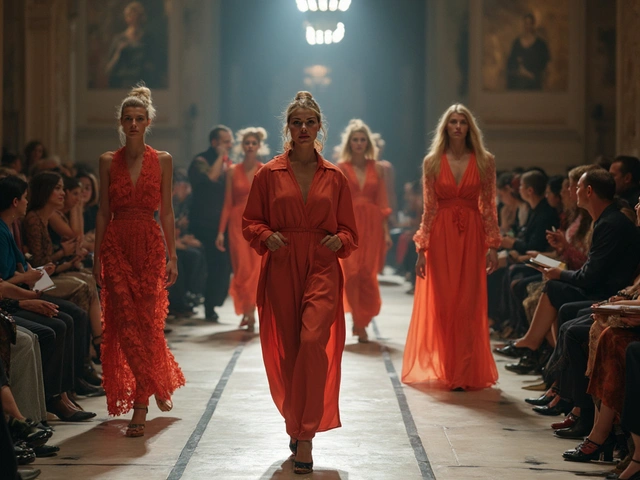
When you think of runway evolution, the shift from rigid, uniform catwalks to diverse, expressive stages that reflect real people and cultures. Also known as fashion modeling transformation, it’s not just about how models walk—it’s about who gets to walk, why they walk that way, and what the industry finally started listening to. The runway used to be a single lane: tall, thin, and silent. Today, it’s a multi-lane highway with curves, stops, and voices. Models don’t just move anymore—they command. They pause. They smile. They hold space. And brands that ignore that shift? They’re getting left behind.
The real turning point wasn’t one show or one model. It was a chain reaction. UK models, from Twiggy’s rebellious youth to Adwoa Aboah’s activism. Also known as British fashion icons, they didn’t wait for permission to change the game. They walked in with stories. Plus size models like Ashley Graham didn’t just fill out dresses—they rewrote the size chart. Teen models demanded fair pay and safe sets. Instagram models proved you don’t need a top agency to be seen—you just need authenticity. Runway evolution didn’t come from designers. It came from the people on the catwalk refusing to be ignored.
And it changed everything. Poses aren’t just about S-curves anymore—they’re about personality. Lighting doesn’t just flatter—it highlights scars, stretch marks, and skin tones that used to be edited out. Agencies now compete not just on who they sign, but on who they protect. Mental health support, transparent contracts, and real diversity aren’t perks—they’re expectations. The runway isn’t a stage for perfection anymore. It’s a platform for truth.
What you’ll find in these posts isn’t just history. It’s the blueprint. From how fashion modeling, the practice of presenting clothing and style through photography and live shows. Also known as runway and editorial modeling, it’s now a blend of art, activism, and entrepreneurship. became a digital career, to how runway poses, the intentional body movements and stances models use to convey style and emotion on the catwalk. Also known as catwalk techniques, have shifted from robotic strides to expressive, individualized walks. now reflect confidence over conformity—you’ll see the real stories behind the images. No fluff. No myths. Just what happened, who made it happen, and how you can understand it—even if you’re not on the runway yourself.
 26 November 2025
The Evolution of Female Models in the Fashion Industry
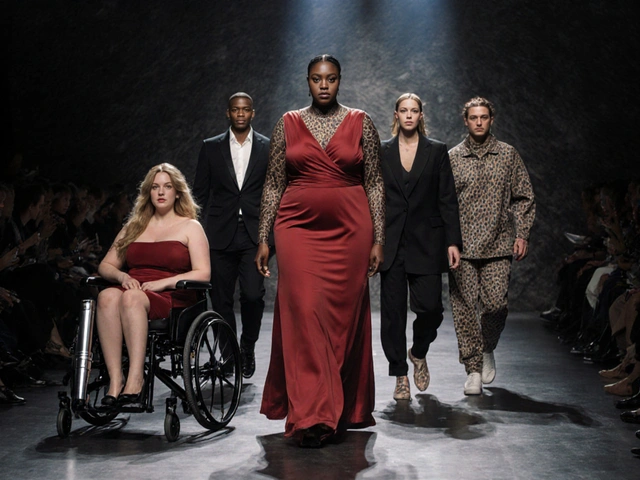
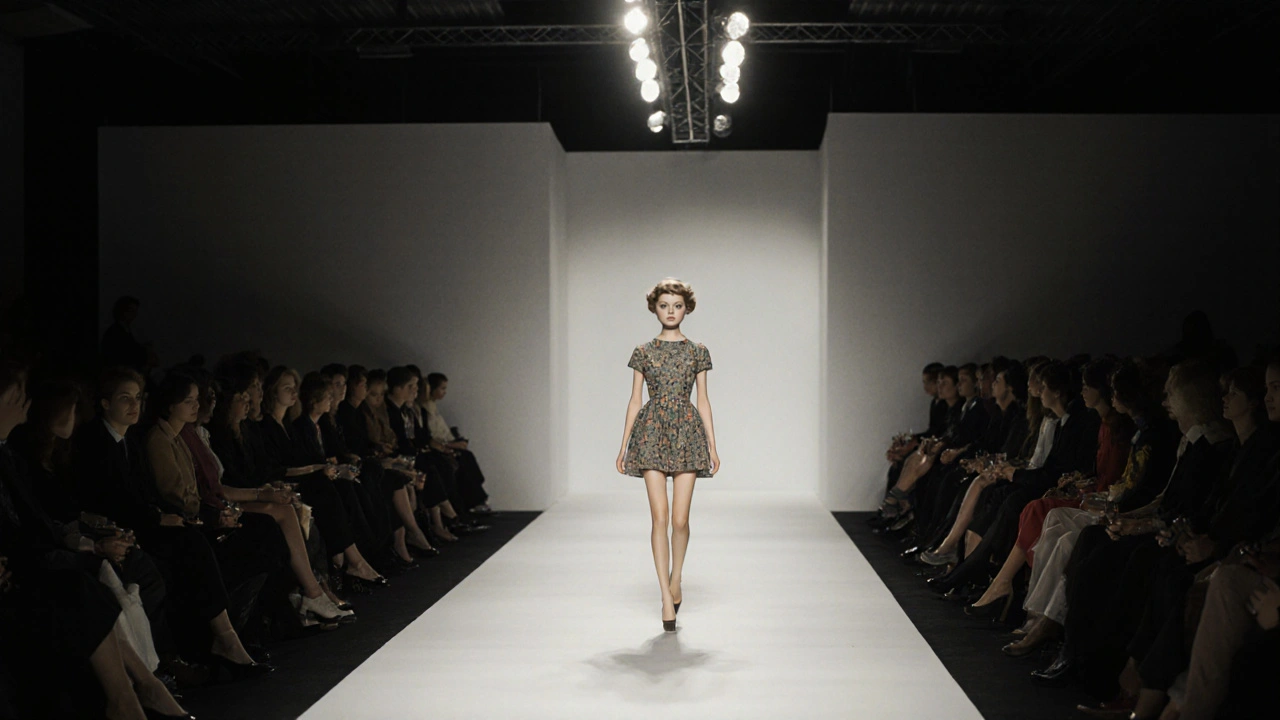
Female models in fashion have evolved from narrow beauty standards to diverse representations of size, age, race, and ability. This is how culture, activism, and consumer demand reshaped the industry.