Fashion Inclusivity: How UK Models Are Redefining Beauty Standards
When we talk about fashion inclusivity, the movement to represent all body types, races, ages, genders, and abilities in fashion. Also known as inclusive fashion, it’s no longer a trend—it’s the new baseline for brands that want to stay relevant. This isn’t about checking boxes. It’s about real people seeing themselves in ads, on runways, and in magazines—and finally feeling like they belong.
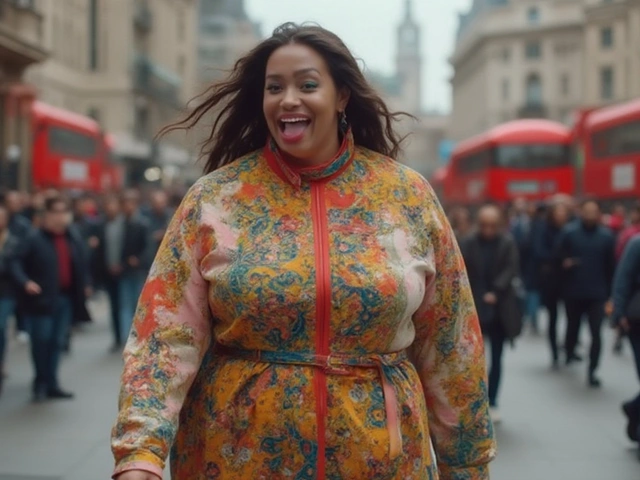
Fashion inclusivity doesn’t happen by accident. It’s pushed forward by models who refuse to shrink themselves to fit old rules. UK models, models from the United Kingdom who are breaking barriers in global fashion are at the heart of this shift. From London’s streets to Milan’s runways, they’re not just walking—they’re demanding change. And it’s working. Brands that once only hired one type of model now cast diverse faces because customers are calling them out—and spending their money elsewhere when they don’t.
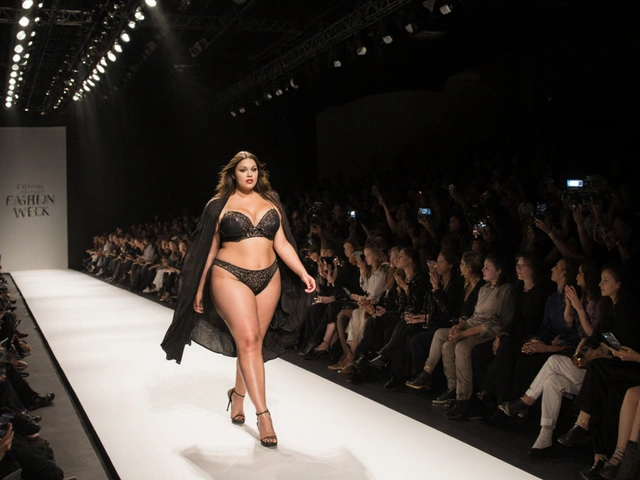
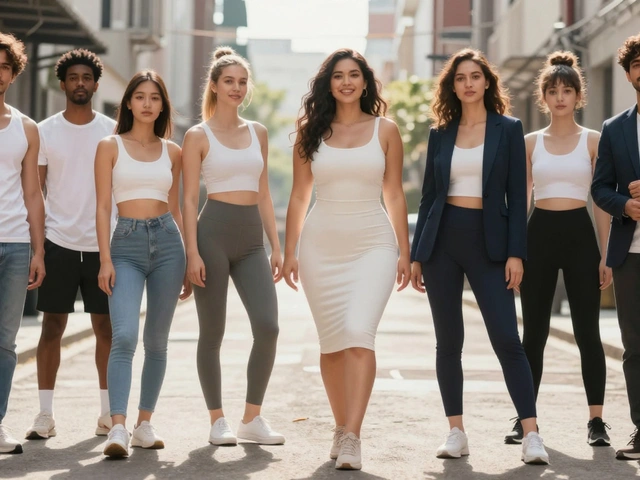
This shift also ties directly to model diversity, the presence of different body sizes, ethnicities, ages, and abilities in modeling. It’s not just about race or size. It’s about disabled models walking in shows, older models starring in luxury campaigns, non-binary models fronting major brands, and plus-size models getting paid the same as their thinner peers. These aren’t niche moments—they’re becoming standard practice in the UK, and the rest of the world is catching up.
And then there’s body positivity, the cultural movement that encourages self-acceptance and challenges unrealistic beauty ideals. It’s not just a hashtag. It’s the reason a 60-year-old model landed a campaign for a high-end skincare brand. It’s why a model with vitiligo walked for a top designer. It’s why a teenager with scoliosis got her first magazine cover—not because she was "perfect," but because she was real. These stories aren’t rare anymore. They’re the new normal.
Fashion inclusivity isn’t about pity or performative allyship. It’s about power. It’s about who gets to decide what beauty looks like—and who gets to profit from it. For years, the industry told women they had to be thin, young, and white to be valuable. Now, models are taking that power back. They’re building their own brands, using social media to bypass gatekeepers, and refusing to work with brands that don’t reflect the world as it actually is.
What you’ll find in this collection isn’t just theory. It’s real stories from models who’ve been told "no"—and kept going anyway. You’ll read about how British talent is changing global standards, how agencies are finally starting to listen, and how the next generation of models is refusing to play by outdated rules. You’ll also see the dark side—the scams, the pressure, the exploitation—that still exists. But more than anything, you’ll see proof that change isn’t coming. It’s already here.
 1 December 2025
Plus Size Models: Redefining Elegance and Style in Modern Fashion
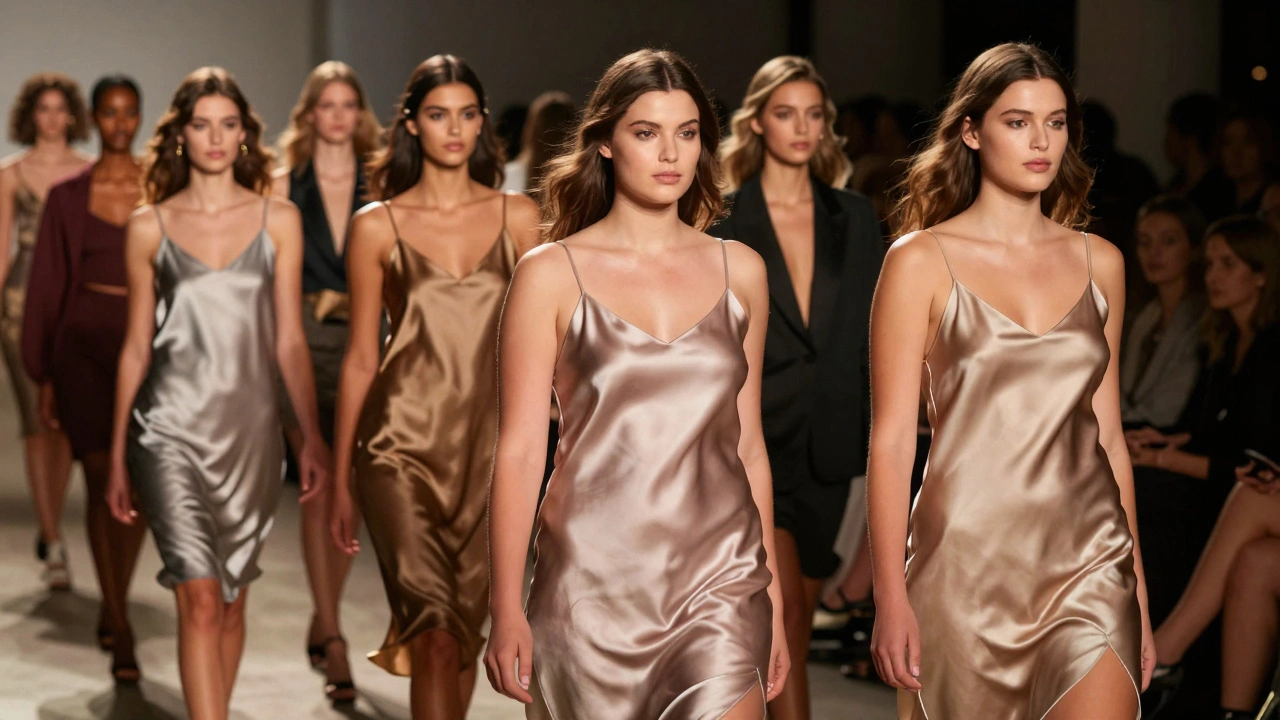
Plus size models are transforming fashion by proving elegance and style aren't tied to size. From runways to ads, curvy models are reshaping beauty standards and driving real change in design and representation.