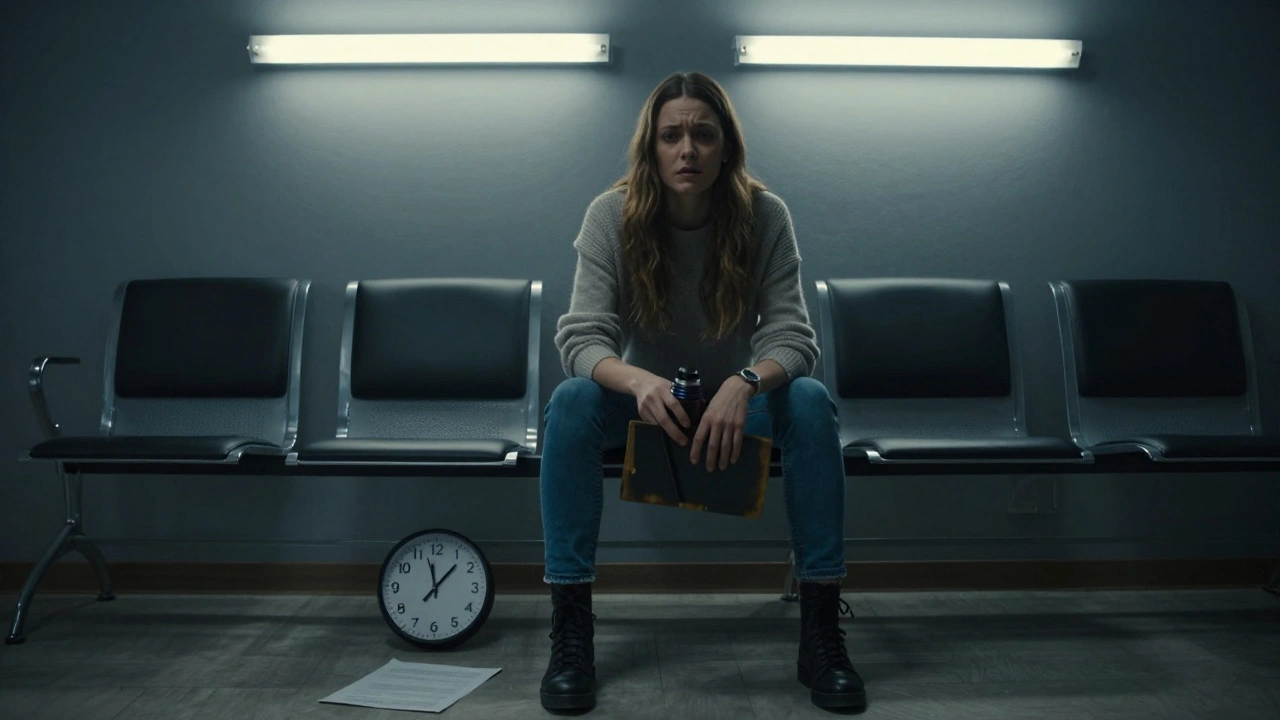
Freelance modeling isn’t the glamorous life you see on Instagram. It’s long waits in freezing studios, unpaid castings, and contracts that vanish the moment you sign them. If you’re serious about model jobs, you need to know what no one tells you before you book your first gig.
There’s No Steady Paycheck
Most new models think they’ll earn $500 a day and work three days a week. Reality? You might work 12 days a month and get paid for only five. The rest? Travel time, fittings, waiting for lighting changes, or sitting in a casting room for three hours only to hear, ‘We went with someone else.’
In 2025, the average freelance model in the UK earns between £1,200 and £2,800 a month - but only if they’re consistent. Half of all models report income drops of 40% or more during winter months. No holiday pay. No sick leave. If you’re sick, you lose the gig. If you miss a call-back, you lose the job.
That’s why top freelancers keep a side hustle - tutoring, graphic design, even warehouse work - just to cover rent when the bookings slow down. You don’t need to quit your day job. You just need to plan for the gaps.
Contracts Are Often Hidden or Missing
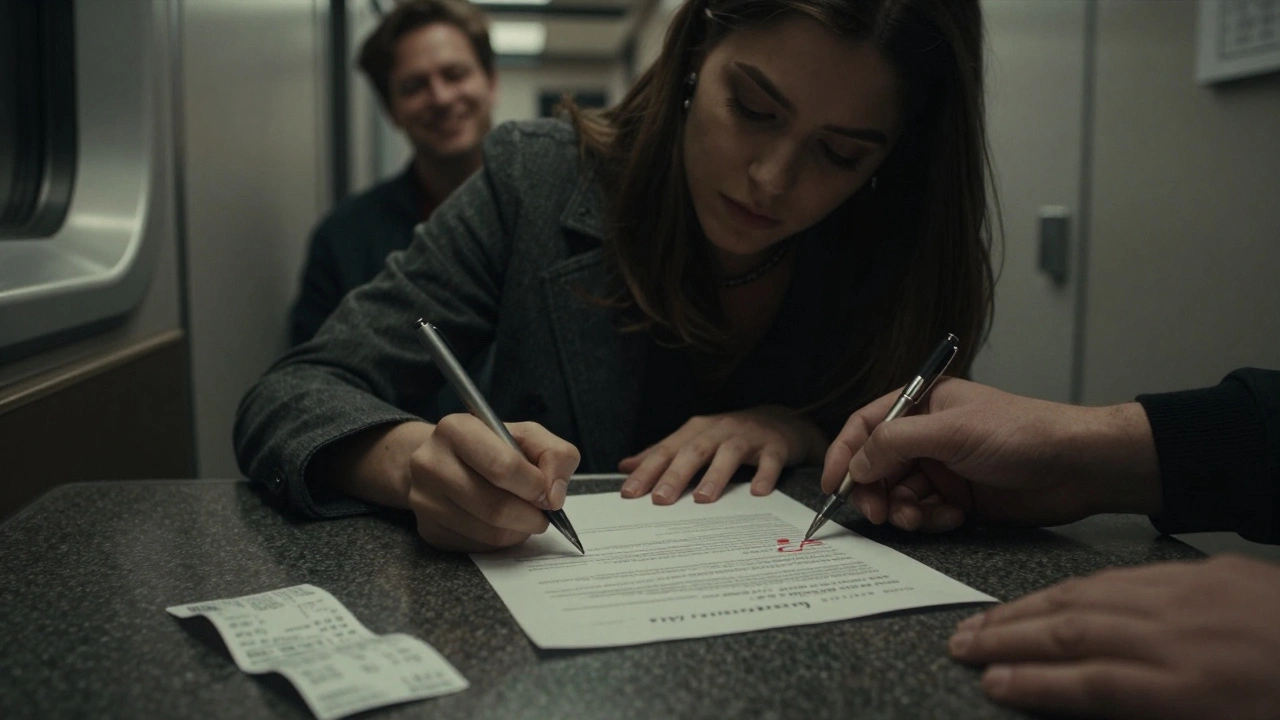
You show up for a photoshoot. The client says, ‘Just sign here.’ You sign. Later, you find out you gave away all rights to your image - including use in ads for payday loans or weight-loss pills. No warning. No negotiation. Just a one-page PDF you didn’t read.
Real model jobs come with clear contracts. If the agency or client won’t send one before the shoot, walk away. A proper contract includes: the scope of use (editorial, commercial, social media), duration (3 months? 5 years?), exclusivity, payment terms, and image release permissions. If it’s not in writing, it doesn’t exist.
Agencies that refuse to provide contracts are either inexperienced or trying to hide something. Don’t risk your image for a £200 gig. It’s not worth it.
Booking Work Isn’t About Looks - It’s About Reliability
Yes, you need to look the part. But what gets you repeat work? Punctuality. Professionalism. Showing up ready.
I’ve seen models with perfect bone structure lose jobs because they showed up 20 minutes late, wore the wrong shoes, or didn’t bring their portfolio. The client doesn’t care if you’re the ‘next big thing.’ They care if you’ll show up on time, follow direction, and not make their day harder.
Top bookers in London and Manchester say the same thing: ‘We’d rather hire someone who’s average-looking but reliable than a stunning model who’s always late or flaky.’
Build a reputation. Send thank-you emails. Follow up politely. Be easy to work with. You’ll get more calls than the model with 50K followers who ghosted three clients last month.
Self-Booking Is a Minefield
Many models think they can skip agencies and book everything themselves. It sounds empowering. It’s exhausting.
Managing your own bookings means: tracking deadlines, emailing clients, negotiating rates, handling invoicing, chasing payments, managing taxes, and dealing with cancellations - all while trying to look good on camera.
One model I know in Brighton spent 22 hours a week just on admin. She lost 10 gigs because she forgot to send a contract. Another missed a tax deadline and got fined £1,200.
There’s a middle ground: use platforms like ModelMayhem or OneModelPlace to find gigs, but keep an agency for the big ones. Agencies handle the paperwork, negotiate rates, and protect you from shady clients. They take 15-20%, but they save you time, stress, and legal trouble.
The Mental Toll Is Real
Rejection isn’t occasional - it’s daily. You might do 20 castings in a month and get one callback. That’s normal. But it chips away at your confidence.
It’s not just about looks. Clients say things like, ‘You’re too tall,’ ‘We need someone with more volume,’ ‘Your skin looks dull today,’ or ‘We’re going with someone younger.’ Some of it’s valid. Most of it is arbitrary.
Models in their mid-20s to early 30s report higher rates of anxiety and depression than peers in other creative fields. The pressure to maintain a certain body type, the constant comparison on social media, and the lack of job security create a toxic cycle.
Protect your mental health. Set boundaries. Say no to shoots that make you uncomfortable. Unfollow accounts that trigger insecurity. Talk to other models. Join online communities like Model Support Network UK. You’re not alone.

What You Can Actually Control
You can’t control who books you. But you can control these five things:
- Your portfolio: Keep it updated. Remove old shots. Show range - editorial, commercial, lifestyle. No blurry selfies.
- Your availability: Be clear. If you’re only available on weekends, say so. Clients respect honesty.
- Your communication: Reply within 24 hours. Use professional email. No emojis in initial contact.
- Your finances: Save 30% of every payment for taxes. Use a separate bank account. Track every expense - travel, hair, makeup, printing.
- Your limits: No nudity unless you’re comfortable. No underage shoots. No cash-only deals. If it feels off, it probably is.
These are your leverage. They’re what separate the pros from the ones who burn out in six months.
Where to Find Real Model Jobs in 2025
Forget random Instagram DMs. The best model jobs come from trusted sources:
- Reputable agencies: Check the British Model Union’s list of accredited agencies. Avoid those that ask for upfront fees.
- Trade shows: London Fashion Week, ModelCon UK, and Birmingham Model Expo still attract real clients.
- Photographer portfolios: Many photographers need models for test shoots. They often connect you with brands.
- Local businesses: Boutique stores, yoga studios, and organic brands need authentic, non-studio models for campaigns.
One model in Leeds landed a six-month campaign with a sustainable fashion brand after a photographer she did a free shoot with introduced her to their marketing director. No agency. No paid ad. Just a good connection.
Final Reality Check
Model jobs are not a shortcut to fame or wealth. They’re a freelance career - messy, unpredictable, and demanding. But they can be sustainable if you treat them like a business.
If you’re in it for the Instagram likes, you’ll quit in a year. If you’re in it to build a long-term career - to control your schedule, earn fairly, and protect your boundaries - then you’ll last.
The best models aren’t the ones with the most followers. They’re the ones who show up, know their worth, and walk away when they’re not treated right.
Do I need to pay to join a modeling agency?
No. Legitimate agencies never charge upfront fees for representation. They earn a commission (usually 15-20%) only when you get paid. If an agency asks for money for photos, classes, or a ‘membership card,’ it’s a scam. Check the British Model Union’s list of accredited agencies to verify legitimacy.
How much should I charge for a modeling gig?
Beginners typically charge £100-£250 per hour for commercial shoots. For editorial work, rates can be lower or even unpaid (but you should get printed images). Experienced models with a strong portfolio can charge £400-£800/hour. Always ask for the usage rights - if the image will be used nationally or globally, your rate should reflect that.
Can I be a model if I’m not a size 0?
Absolutely. The industry has shifted. Brands now hire models of all sizes, heights, and backgrounds. Curvy, petite, tall, and mature models are in high demand for campaigns targeting real customers. Look for agencies that specialize in inclusive modeling. Brands like Dove, Aerie, and Lush regularly work with non-traditional models.
Do I need professional photos to start?
You need good photos - not necessarily professional ones. A clear, well-lit headshot and full-body shot taken by a reliable photographer (even a friend with a good camera) will do to start. Avoid heavily edited or filtered images. Agencies want to see your natural look. Once you land your first paid gig, invest in a professional portfolio.
What if a client asks me to do something I’m uncomfortable with?
Say no. Immediately. You have the right to refuse any shoot that makes you uncomfortable - whether it’s nudity, suggestive poses, or being pressured to lose weight. A good agency will back you up. If they don’t, find one that does. Your boundaries are non-negotiable.


December 24, 2025 AT 00:11
Dan Garcia
Just wanted to say this post is a lifesaver. I’m 23, living in Ohio, and started modeling last year thinking it’d be easy money. Turns out I spent 4 months waiting for castings that never happened, and one agency tried to charge me $300 for ‘portfolio training’-thankfully I found your link to the British Model Union before I got scammed. I now do freelance graphic design on the side, and it pays the rent when modeling’s slow. You’re right: it’s a business, not a fantasy. Keep sharing this stuff.
December 25, 2025 AT 23:09
Éloïse Dallaire-Gauthier
As a Canadian model who’s been through every shade of hell in this industry-yes, even the ‘we’ll pay you in exposure’ nonsense-I’m screaming at my screen right now. You nailed it. I once signed a contract that let a company use my face in ads for a detox tea that made me vomit for three days. I sued. I won. And I still get hate comments for being ‘too aggressive’ for saying no. If you’re reading this and you’re being pressured? Walk. Out. Now. Your body is not collateral.
December 26, 2025 AT 18:32
Derren Spernol
Man, I’ve been modeling part-time for seven years now-started in Austin, moved to Nashville, now I’m in Portland. I used to think it was all about looking good, but honestly? The biggest thing that got me repeat work was just… showing up. Not just on time, but ready. Hair done, nails clean, portfolio printed, water bottle full. One time I showed up with a hoodie because it was freezing, and the client asked if I could change-I said no, I’d rather not catch pneumonia, and they ended up hiring me for three more gigs because I didn’t flinch. It’s not glamour, it’s professionalism. And yeah, the mental toll? Real. I stopped scrolling Instagram for six months last year and my anxiety dropped 70%. Don’t underestimate that.
December 27, 2025 AT 14:07
Sharon Bryant
You wrote ‘you’re’ as ‘your’ in the second paragraph. Fix it. Also, ‘£200 gig’-should be ‘£200 gig.’ Capitalization error. And ‘no nudity unless you’re comfortable’-should be ‘unless you’re comfortable.’ Grammar matters. This is a professional guide. Don’t undermine it with typos.
December 27, 2025 AT 22:19
Triston Hargrave
Let’s be real: modeling isn’t a career-it’s a test of self-worth wrapped in capitalism’s glitter. You think you’re selling photos? No. You’re selling your identity to people who see you as a mannequin with a pulse. The ‘reliability’ they praise? It’s just obedience dressed up as professionalism. And don’t get me started on ‘inclusive modeling’-it’s still a numbers game where the same 5% of ‘diverse’ faces get recycled. True change? It’s not in agencies. It’s in you saying NO. Again. And again. And again. :|
December 29, 2025 AT 13:19
Jodie Rae Plaut
As someone who runs a small modeling mentorship group in Atlanta, I can confirm: the five things you listed? Non-negotiable. Especially #4-saving 30% for taxes. So many new models get hit with a massive IRS bill because they didn’t set up a separate account. Pro tip: use QuickBooks Self-Employed. It auto-tracks mileage, makeup expenses, even your coffee at the shoot location (if it’s a client-requested wait). Also, portfolio updates? Do them quarterly. Not yearly. If you’re still using 2022 shots of you in a crop top and fishnets? You’re dating yourself. Update. Or get left behind.
December 30, 2025 AT 11:06
Colin Napier
Spot on. I’ve been in the UK scene since 2018. Saw too many kids get burned by ‘free work for exposure’-then they wonder why they can’t get paid gigs. Agencies that ask for upfront cash? They’re not agencies-they’re talent mills. And the ‘you’re too tall’ line? That’s just lazy casting. I’m 6’2”, and I’ve booked more campaigns than half the 5’9” girls because I showed up with a printed contract and a thank-you note. Also-never use emojis in initial emails. Ever. It screams amateur. And yes, winter is brutal. I worked a warehouse job from November to February last year. It paid the bills. No shame.
December 31, 2025 AT 08:56
Patsy Ferreira
This post is sooo wrong. You say ‘you don’t need to quit your day job’-but if you’re serious, you should. Modeling isn’t a side hustle, it’s a full-time identity crisis. And you say ‘say no to nudity’? That’s so naive. If you’re not willing to push boundaries, you’ll never be a top model. Also, your ‘reliable’ model who’s average-looking? They’re just boring. The industry rewards uniqueness-not punctuality. And why are you telling people to use ModelMayhem? That site is a graveyard of expired profiles. Use Instagram. Always. Your portfolio is your feed. And if you don’t have 10K followers, you’re invisible. You’re giving bad advice.