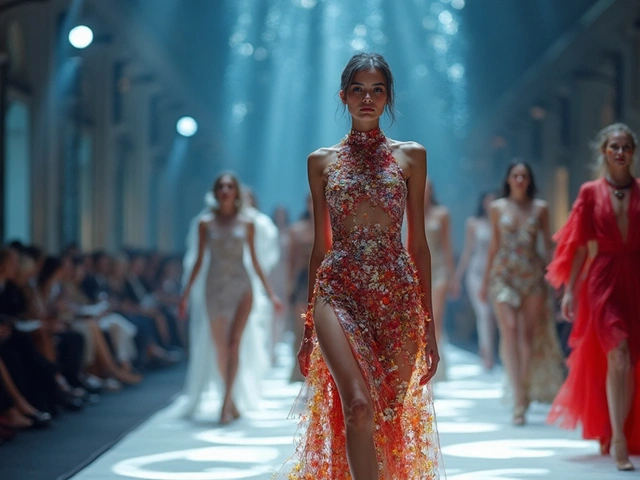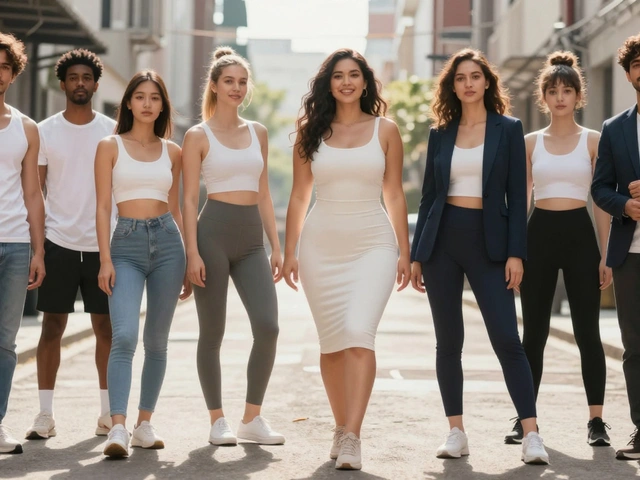
Want to become a model but feel stuck because you don’t know where to start? It’s not just about looking good in a photo. The real skill - the one that separates beginners from pros - is learning how to pose. Not just standing there, but telling a story with your body. Every top model you’ve seen in magazines or on runways didn’t get there by accident. They trained. They practiced. They learned how to move like a camera sees.
Why Posing Matters More Than You Think
You’ve seen the ads. The flawless skin, the perfect hair, the designer outfit. But what you don’t see is the 20 minutes before that shot where the model was told to shift her weight, tilt her chin, or roll her shoulder back. That’s the magic. A great pose turns a regular photo into something unforgettable.
Think of it like this: a model’s body is their instrument. The camera is the audience. If you don’t know how to play it, no amount of good lighting or makeup will save you. Agencies don’t sign people who can’t hold a pose. Photographers don’t hire them. Clients don’t pay for them.
Real talk: I’ve watched hundreds of new models walk into casting rooms. Half of them look amazing on paper - tall, clear skin, great bone structure. But when the photographer says, "Okay, show me something," they freeze. They stand like a mannequin. And that’s the end of it.
Step 1: Learn the Foundation - Body Alignment
Before you even think about angles or expressions, you need to understand how your body should naturally sit in space. This isn’t about being skinny or tall. It’s about control.
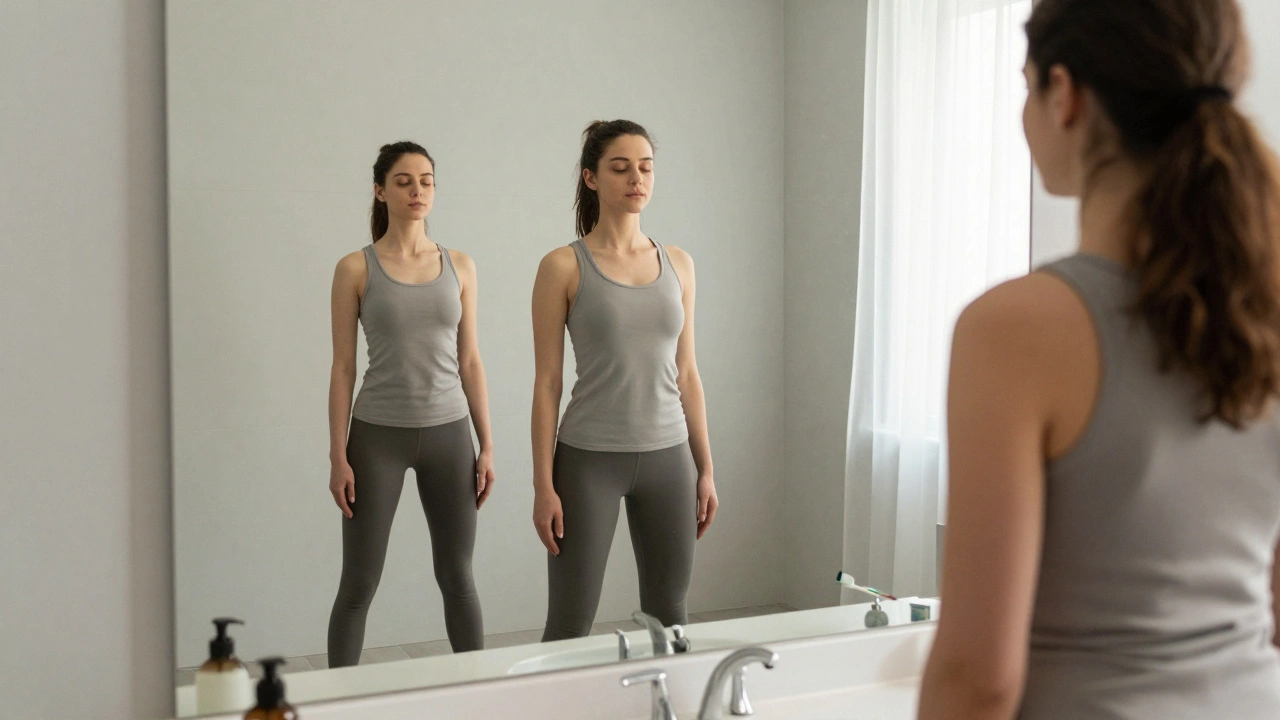
Start with standing. Feet shoulder-width apart. Knees slightly bent - not locked. Hips neutral, not tucked or pushed out. Shoulders relaxed, not hunched. Chin parallel to the floor. This is your neutral stance. Practice it in front of a mirror every morning. Do it while brushing your teeth. Do it waiting for the bus.
Why? Because when you’re relaxed but aligned, your body looks natural - even in high fashion. A stiff pose looks forced. A slouched pose looks lazy. The goal is effortless grace.
Here’s a simple drill: Stand in your neutral stance. Close your eyes. Take three slow breaths. Open your eyes. Now look at yourself. Do you look like someone who belongs in front of a camera? If not, adjust.
Step 2: Master the Three Universal Poses
Every modeling job - whether it’s a luxury brand campaign or a sneaker ad - comes down to variations of three basic poses. Learn these first. Then build from them.
- The Weight Shift - Put 70% of your weight on one leg. Let the other leg relax slightly. This creates natural curves in your hips and waist. Your arms should flow naturally - not僵硬. One hand can rest on your hip. The other might brush your thigh or trail lightly down your side. This pose works for everything from swimwear to denim.
- The Turn and Look Back - Stand sideways to the camera. Slowly turn your head over your shoulder, keeping your body facing 90 degrees away. This shows off your neck, collarbones, and profile. Keep your chin lifted slightly. Don’t over-tilt. Your eyes should meet the camera, not the floor. This is the go-to for editorial shots and beauty campaigns.
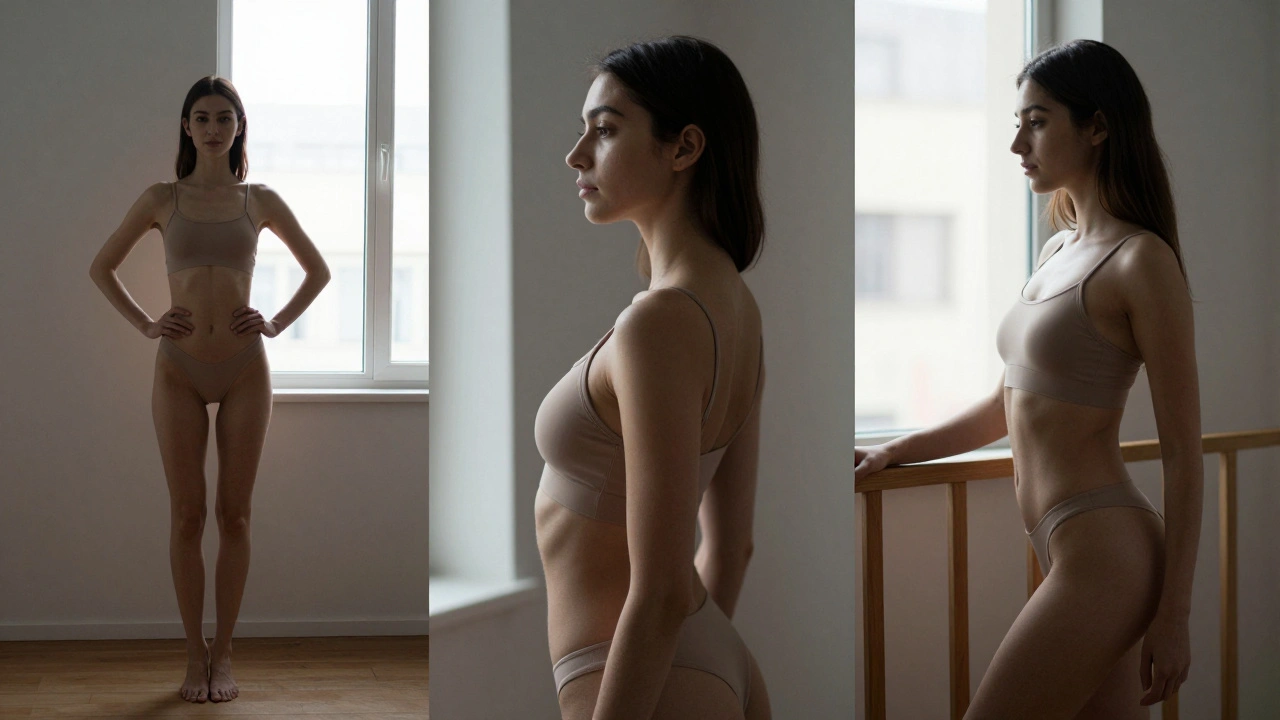
- The Lean and Reach - Place one hand on a surface - a wall, a chair, a railing. Lean into it. Extend your other arm away from your body, fingers slightly curled. Let your torso twist just a little. This creates long lines and draws attention to your silhouette. Great for sportswear, travel ads, or casual lifestyle shots.
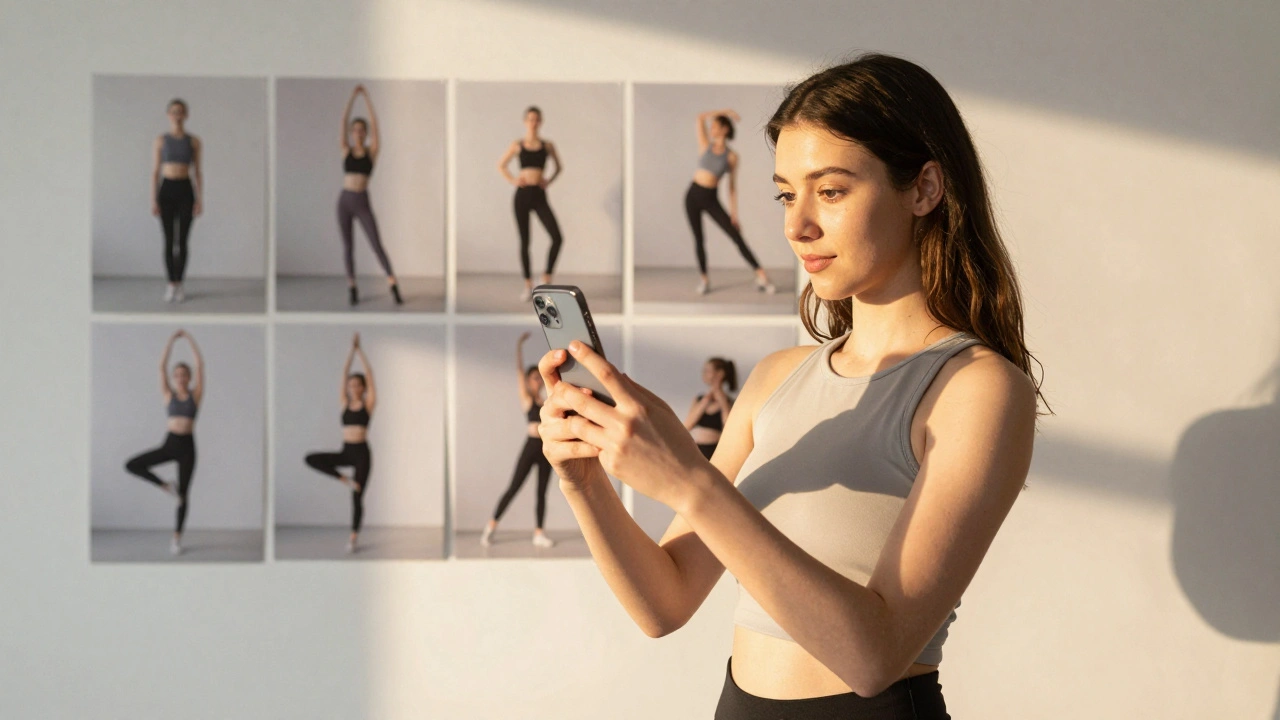
Practice each pose for 5 minutes a day. Use your phone. Take 10 photos of yourself in each one. Study them. Which one looks most natural? Which one looks stiff? Adjust.
Step 3: Use Your Hands - They’re Not Afterthoughts
Hands are the most neglected part of a model’s pose. And yet, they tell the whole story.
A clenched fist looks tense. A limp hand looks dead. The right hand position says confidence, calm, or energy - depending on the mood.
Here’s what works:
- Soft fingers - Not stiff, not floppy. Imagine holding a delicate flower. Your fingers are gently curved.
- Touching things - Brushing your hair, resting your fingers on your collarbone, lightly holding fabric. It adds realism.
- Avoid the "victory sign" - That V-shape with your fingers looks amateur. So does pointing directly at the camera.
Practice holding your hands in front of a mirror. Try different positions. Which one feels most like you? That’s your signature.
Step 4: Eyes Are the Secret Weapon
Everyone talks about smiles. But the real power is in your eyes.
When you look at the camera, don’t just stare. Think:
- Are you mysterious? - Lower your eyelids slightly. Keep your gaze soft.
- Are you confident? - Hold eye contact. Don’t blink too fast.
- Are you playful? - Look slightly off-camera, then snap back.
Try this: Record a 30-second video of yourself. Look directly into the lens. Say nothing. Just change your expression - serious, happy, curious, tired. Watch it back. Which version feels most real? That’s the look you should practice.
Top models don’t fake emotion. They access it. If you’re posing for a luxury brand, tap into quiet confidence. For a fitness brand, channel energy. For a beauty shot, let vulnerability show.
Step 5: Practice Like a Pro - No Excuses
Professional models don’t wait for a shoot to practice. They train daily.
Here’s a simple routine:
- Every morning: 5 minutes in front of the mirror, practicing your three poses.
- Every afternoon: Take 10 photos of yourself in different outfits - jeans, t-shirt, dress. Study them. What works? What doesn’t?
- Every night: Watch one modeling video - YouTube has tons. Watch how the model moves. Pause. Try to copy their posture.
Don’t just look at Victoria’s Secret or Vogue. Look at independent photographers on Instagram. See how they use natural light, simple backgrounds, and subtle poses. That’s where the real art is.
Common Mistakes New Models Make
You’re not alone if you’ve made these. Everyone does. But if you don’t fix them, you’ll stay stuck.
- Staring too hard - It looks like you’re nervous, not powerful.
- Locking your knees - Makes you look stiff and unnatural.
- Forcing a smile - A fake smile shows up in your eyes. A real one doesn’t need to show teeth.
- Copying others - Your body is unique. Don’t try to be Gigi Hadid. Be you, but better.
- Ignoring your background - A cluttered room ruins even the best pose. Clean walls. Soft light. That’s all you need.
What Happens When You Get It Right?
When you master posing, doors open. Agencies notice you not because you’re tall or skinny - but because you move with intention. Photographers call you back because you make their job easier. Clients pay more because you bring value.
I’ve seen it happen. A 19-year-old from Manchester walked into a casting last year. She wasn’t the tallest. Not the slimmest. But she held a pose like she’d been doing it for years. She got signed on the spot. Why? Because she knew how to use her body as a tool.
That’s the truth. Modeling isn’t about luck. It’s about skill. And posing? That’s the core skill.
Start Today - No Equipment Needed
You don’t need a studio. You don’t need a stylist. You don’t even need a camera. All you need is a mirror and 10 minutes a day.
Stand. Align. Breathe. Pose. Repeat.
By the end of the week, you’ll notice a difference. By the end of the month, people will notice too.
Do I need to be tall to become a model?
No. While fashion modeling often requires height (usually 5’8” or above), there are many other types of modeling - commercial, fitness, curvy, editorial - where proportions, expression, and posing matter more than inches. Many successful models are between 5’5” and 5’7” and thrive in lifestyle, beauty, and e-commerce shoots.
Can I become a model without an agency?
Yes. Many models start by building their own portfolio through social media, local photographers, and small brands. Instagram has become a powerful tool for discovery. If you consistently post high-quality photos with strong posing, agencies will find you. But learning to pose well is still essential - even if you’re going solo.
How long does it take to get good at posing?
You’ll see improvement in 2-3 weeks with daily practice. Real mastery takes 3-6 months. It’s not about memorizing poses - it’s about internalizing them. The goal is to make every movement feel natural, so when you’re on set, your body responds without thinking.
Should I take modeling classes?
Not unless they focus on posing, movement, and camera awareness. Many classes are just photo shoots with little feedback. Look for workshops led by working photographers or former models. Ask if they’ll critique your posture and expression - not just your outfit. If they don’t, skip it.
What’s the best lighting for practicing poses?
Natural light is best. Stand near a window during the morning or late afternoon. Avoid harsh overhead lights or phone flash. Soft, directional light shows your shape clearly. If you’re using artificial light, use a ring light or softbox - not a desk lamp.