
Want to become a model? It’s not just about looking good in photos. The industry has changed - fast. Agencies aren’t just looking for tall, thin faces anymore. They want people who can carry a look, adapt to different styles, and stay professional under pressure. If you’re serious about this, you need more than just confidence. You need real, trainable skills. Here’s what actually matters.
Understand the Different Types of Modeling
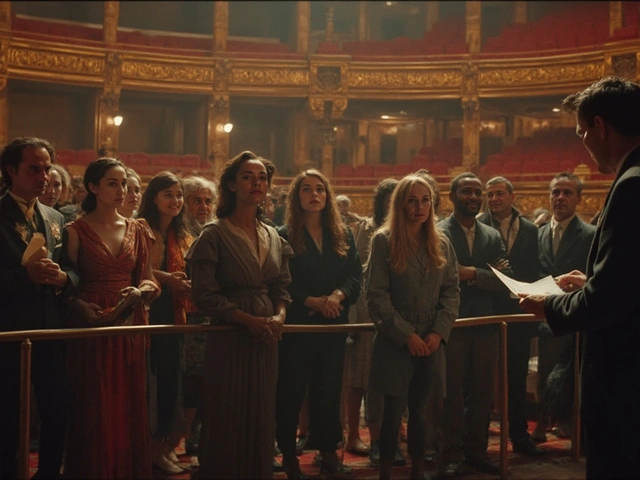
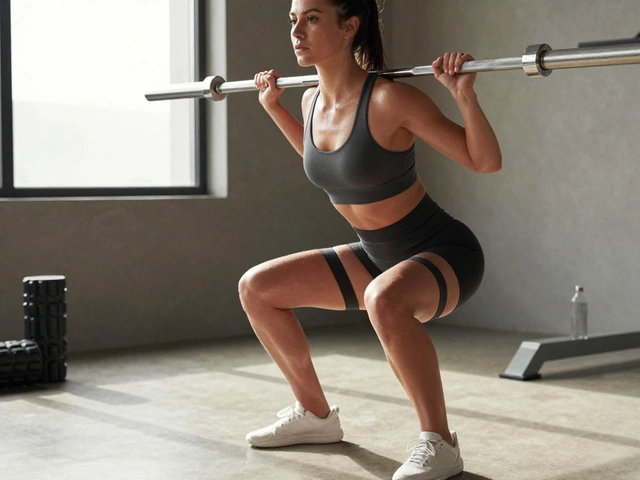
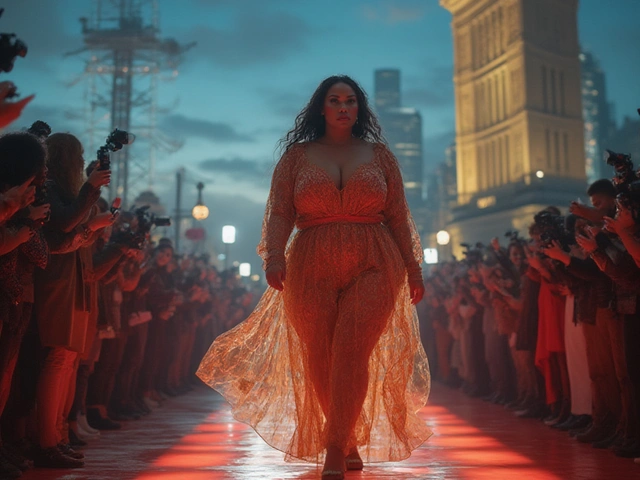
Not all modeling is the same. If you think it’s all runway and magazine covers, you’re missing half the picture. There’s fashion modeling, commercial modeling, fitness modeling, plus-size modeling, and even promotional modeling. Each has its own standards, clients, and expectations.Fashion modeling often requires height - usually 5’8” or taller for women, 6’0” for men - and a slim frame. But commercial modeling? That’s about relatability. Brands like Target, Walmart, or Dove need people who look like their customers. Fitness models need muscle tone and definition. Plus-size models are in high demand as brands finally move away from one-size-fits-all.
Know which path you’re aiming for. It affects your training, your portfolio, and even your diet. Trying to be a fashion model when your body type fits commercial better? You’ll burn out fast. Pick your lane early.
Build a Strong, Realistic Portfolio
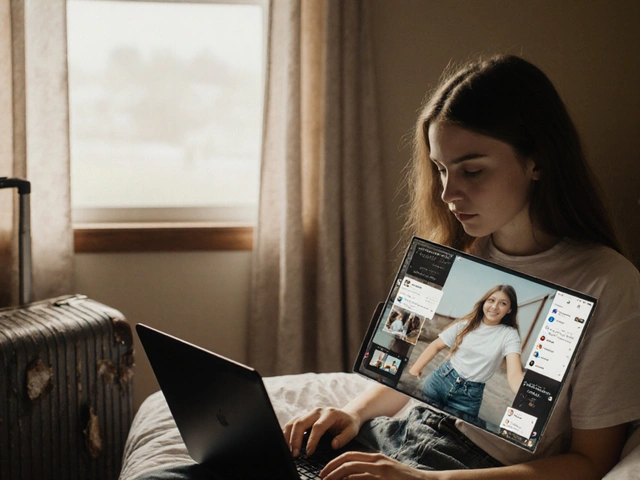
Your portfolio isn’t just a photo album. It’s your resume. Agencies look at it the same way they’d look at a job application. A weak portfolio gets tossed. A strong one gets you called in.Start with professional headshots and full-body shots. Don’t use selfies or phone photos. Even if you’re broke, find a student photographer willing to do a TFP (Time for Prints) shoot. You give them portfolio material; they give you professional images. It’s fair.
Your portfolio should show range. Include at least three styles: editorial (high fashion), commercial (smiling, everyday looks), and one specialty (fitness, swimwear, or beauty). Don’t overload it with 50 photos. Pick your 12 best. Quality over quantity. Make sure lighting is natural, backgrounds are clean, and your expressions feel real - not forced.
Update it every 6 months. Your look changes. Your goals change. Your portfolio should too.
Master Your Walk and Pose
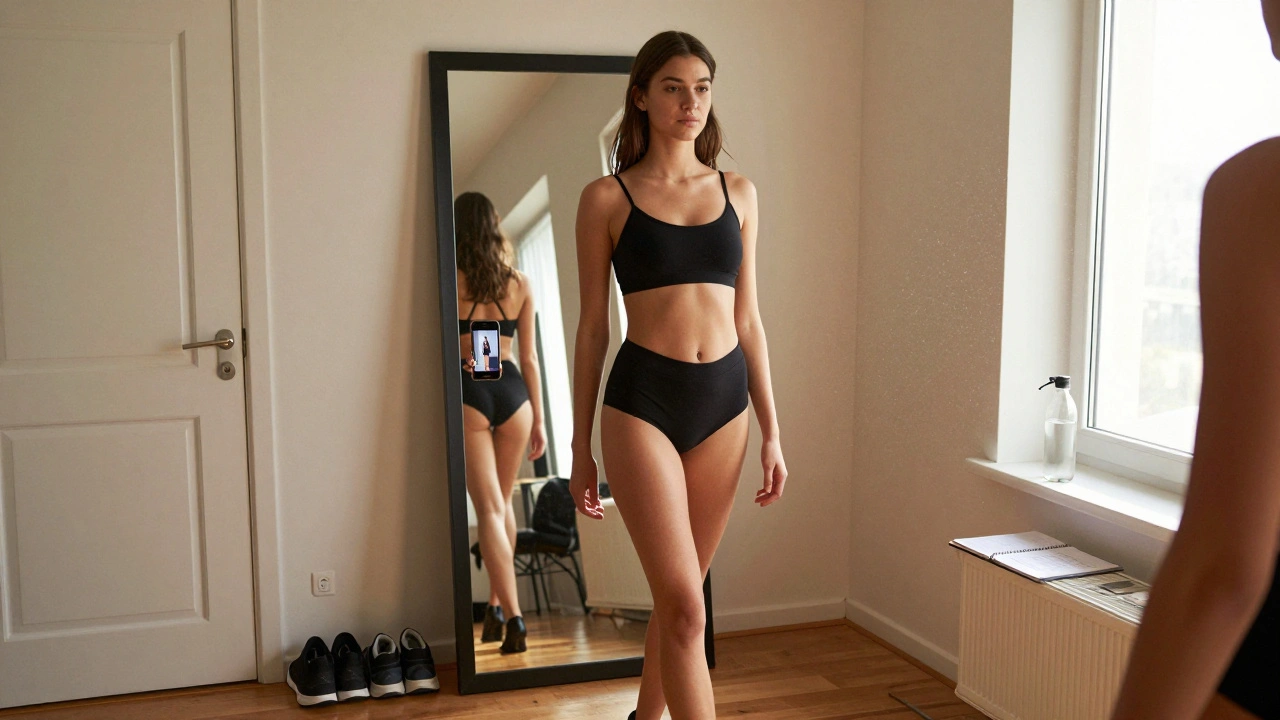
You don’t just stand still for photos. You move. You turn. You hold a pose for minutes while lights adjust. This isn’t instinctive. It’s learned.Practice your walk daily. Stand tall. Shoulders back. Engage your core. Take slow, controlled steps. Don’t stomp. Don’t drag your feet. Watch runway videos from Victoria’s Secret, Chanel, or Alexander McQueen. Notice how the models control their hips and arms. Try mimicking them in front of a mirror.
For posing, learn how to use your body to create shape. Turn your shoulders 45 degrees to the camera. Arch your back slightly to elongate your torso. Use your hands naturally - don’t clutch your hips or make a peace sign unless it fits the shoot. Practice in front of a mirror or record yourself. Watch the footage. Do you look stiff? Awkward? Natural? Adjust.
Many agencies offer free or low-cost modeling workshops. Take them. Even a single 2-hour class can fix posture issues you didn’t even know you had.
Develop Professional Habits
Modeling isn’t glamorous 90% of the time. It’s early call times, long waits, cold sets, and people telling you to “smile more” or “lose 5 pounds.” You need thick skin and discipline.Be on time - always. If you’re late, you’re out. No exceptions. Bring water, snacks, and a change of clothes. Keep your phone charged. Know your contracts. Never sign anything without reading it. If you don’t understand it, ask for help. Don’t be afraid to say no to jobs that make you uncomfortable.
Keep your skin and hair healthy. Drink water. Sleep. Avoid crash diets. Use sunscreen. Moisturize. Your body is your tool. Treat it like one.
Learn basic etiquette. Don’t argue with the photographer. Don’t text during a shoot. Don’t show up in street clothes. Dress appropriately for the shoot - even if it’s just to sit and wait. You’re representing the brand.
Learn How to Work With Cameras
You’re not just a face. You’re a tool for storytelling. The photographer is directing you to convey emotion - confidence, mystery, joy, rebellion. Can you do that without speaking?Watch how actors express emotion with just their eyes. Practice in front of a mirror. Try looking sad. Then angry. Then playful. Then tired. Record yourself. Which expressions feel real? Which look fake? Focus on the ones that feel authentic.
Learn how to use your eyes. Don’t stare blankly. Look at the lens, but don’t force it. Let your gaze soften. Let it wander slightly. It’s more natural. Learn how to blink slowly - it’s a trick pros use to avoid looking robotic.
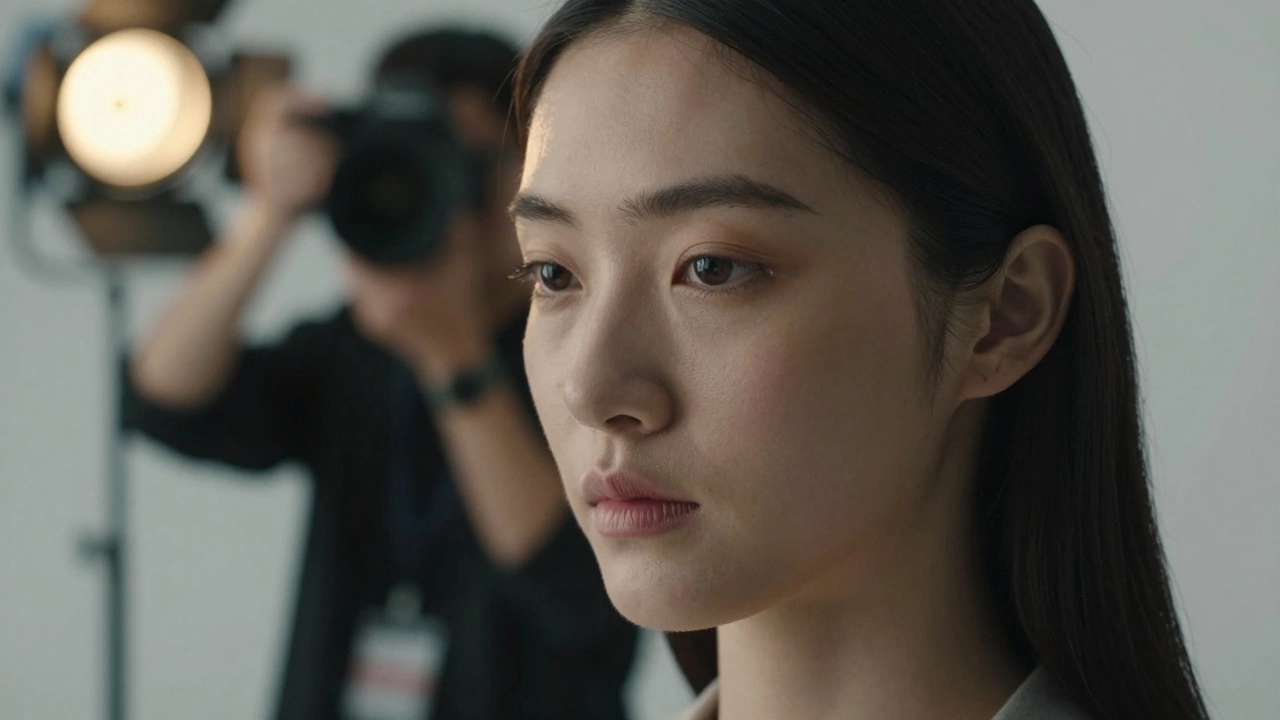
Understand lighting. Know how to turn your face to catch the light. If the light is coming from the left, turn your right cheek slightly. If it’s overhead, tilt your chin down a little. These small adjustments make a huge difference.
Network the Right Way
You can’t just wait for an agency to find you. You have to put yourself out there - smartly.Attend local fashion events, open casting calls, and industry meetups. Bring printed headshots and a small portfolio. Don’t hand them out like flyers. Wait for the right moment. If someone asks, “Are you a model?” then hand them your card.
Follow agencies on Instagram. Don’t DM them cold. Comment on their posts. Engage with their content. Build familiarity. When you do apply, your name will already be on their radar.
Connect with other models. They’ll know about upcoming castings, scams to avoid, and which photographers are worth working with. The modeling world is small. Word spreads fast - good and bad.
Avoid the Scams
This is the most important part. There are predators in this industry. They’ll promise you fame, charge you hundreds, and vanish.Legit agencies never ask you to pay for photos, classes, or “modeling kits.” They earn money when you book jobs. If someone says, “Pay us $500 for your profile,” walk away. That’s a scam.
Check agencies on ModelMayhem, The Fashion Model Directory, or the Association of Talent Agents. Look for reviews. Ask for references. If they can’t give you names of current models, that’s a red flag.
Never give out your Social Security number, bank details, or passport copy unless you’ve signed a contract and verified the agency’s legitimacy. Even then, be cautious.
Start Small. Build Slowly.
Your first job might be a local boutique’s lookbook. Or a university fashion show. Or a small blog’s editorial shoot. Don’t look down on it. That’s how every top model started.Each job builds your confidence, your portfolio, and your reputation. Treat every gig like it’s your last. Show up early. Be polite. Do your best. People remember that.
Don’t compare yourself to influencers with 100K followers. They didn’t get there overnight. And most of them aren’t even signed with agencies. Focus on your own progress. One shoot at a time. One skill at a time.
Keep Learning
The industry never stops changing. Trends shift. Demands change. What worked last year might not work now.Follow industry blogs. Watch behind-the-scenes videos. Read interviews with models and photographers. Learn about lighting, styling, and editing basics. The more you understand the process, the better you’ll perform on set.
Take acting classes. Or improv. Or public speaking. Modeling is about presence. Those skills transfer directly.
And most of all - stay true to yourself. You don’t have to be someone else to succeed. The industry needs real people. Not perfect ones. Real ones.


December 9, 2025 AT 14:12
Paige Vejnar
I literally cried reading this. Like, actual tears. 😭 I tried modeling last year and got ghosted by 3 agencies-turns out I was using selfies as my portfolio. Ugh. I just did a TFP shoot with a film student last weekend and OMG my photos look like actual human beings now. Thank you for this. 🙏
December 11, 2025 AT 02:15
Vanness Latricia
Okay but can we just take a moment to appreciate how this post didn’t just say ‘be hot and go to NYC’? 🥹 I’m 5’4”, curvy, and work retail, and I finally feel like I have a path. I started doing poses in front of my bathroom mirror every morning while brushing my teeth-yes, really-and my boyfriend says I look like a different person. I did a local boutique shoot last week and they asked me back! This isn’t just about looks-it’s about showing up as your whole self. And that’s everything. 💪💖
December 11, 2025 AT 11:14
Debbie Nehikhuere
Start small. Build slowly. That’s the mantra. I did my first shoot for a vegan food blog. Got paid in tofu and kombucha. Still counts. You don’t need to be perfect-you just need to be consistent. And honest. The camera picks up fakeness faster than your ex texts you ‘u up?’
December 12, 2025 AT 03:55
Michael Soaries
I never thought I’d say this but I’m gonna start practicing my walk too. I’ve been doing it in my apartment hallway. My cat judges me but I don’t care. Also thanks for the part about not signing contracts without reading them. I almost did that once. Big mistake. 🙃
December 13, 2025 AT 18:39
Sean Fimio
OMG YES!!! I literally just got scammed last month by some ‘agency’ in Miami that wanted $800 for ‘professional portfolio editing’… I thought they were legit because they had a website?? 😭 Soooooo glad someone said this. Also, I’m from Canada and we have like 3 legit agencies here-Toronto, Montreal, Vancouver. If you’re not in one of those, you’re probably being scammed. And yes, ModelMayhem is your best friend!! 🙌
December 15, 2025 AT 01:20
Dr. Atul James Singh
While the content is superficially pedagogical, it lacks a critical structural analysis of the commodification of the corporeal in late-stage capitalist visual economies. The normalization of ‘plus-size modeling’ as a market segment is not empowerment-it’s a rebranding of exclusion under the guise of inclusivity. Furthermore, the emphasis on ‘professional habits’ ignores the precarity of gig labor in fashion. The photographer’s gaze remains patriarchal. You are not a tool-you are a commodity. And this post is complicit.
December 16, 2025 AT 06:23
peter may
One must question the very epistemological foundations of this discourse. Is ‘modeling’ not merely a performative act of ontological submission to hegemonic aesthetic paradigms? The notion of ‘real people’ is a fallacy-there is no ‘real,’ only curated authenticity, a product of algorithmic curation and performative vulnerability. The portfolio, as you suggest, is not a resume-it is a palimpsest of capitalist desire. And yet… I suppose one must play the game to subvert it. Alas, the tragedy of the modern subject.
December 17, 2025 AT 20:31
Tobia Ciottone
Did you know that 87% of ‘modeling agencies’ are fronts for human trafficking rings? I’ve got a cousin who disappeared after she paid for ‘headshots’ in Atlanta. They used her photos on dark web sites. I’m not saying this is one of them-but what if it is? And what about the lighting advice? That’s not just technique-that’s psychological conditioning. They train you to look ‘natural’ so you don’t realize you’re being manipulated. I’ve been researching this for 7 years. No one listens. But I’m here. And I’m warning you.
December 18, 2025 AT 14:54
Jeff Herman
Love this. Seriously. I’m a 42-year-old dad who’s been doing local commercial modeling on the side since my kids were little. Got my first gig because I looked like a normal guy buying diapers. No filters. No Photoshop. Just me. And you know what? The brand loved it. You don’t need to be 20. You don’t need to be skinny. You just need to show up. And if you’re reading this and thinking ‘I’m too old / too short / too weird’-you’re exactly who they need. Go get ‘em. 🤝