
Female models aren’t just wearing clothes-they’re telling stories that change what the world wants to wear. Look at any major fashion week, any viral Instagram post, or any high-street store window, and you’ll see the same truth: the women on the runway and in the campaigns don’t just reflect trends-they create them.
From Runway to Retail: How One Model Can Shift a Season
In 2023, a 22-year-old model named Amina Khayyam walked for Balenciaga in a cropped, oversized blazer paired with cargo pants. No one expected it to blow up. But within three weeks, Zara, H&M, and Uniqlo had all released near-identical versions. Why? Because the look was worn by a model who had 8 million followers and a reputation for picking trends before they hit mainstream.
This isn’t rare. Female models today have more power than ever. They’re not just mannequins for designers-they’re cultural translators. When a model like Adwoa Aboah walks in a show wearing gender-neutral tailoring, or when Gigi Hadid steps out in a barefoot sandal with a tailored suit, they’re not just dressing themselves. They’re signaling what’s next.
Designers know this. That’s why they now cast models based on their personal style, social media presence, and real-world influence-not just their measurements. In 2024, 68% of top fashion houses reported that they prioritized models with existing audiences over traditional book models, according to a report by Fashion United.
The Rise of the Authentic Look
Twenty years ago, fashion was about perfection: flawless skin, impossible waistlines, and a single ideal of beauty. Today, it’s about truth. Female models are pushing back against outdated standards-and the industry is listening.
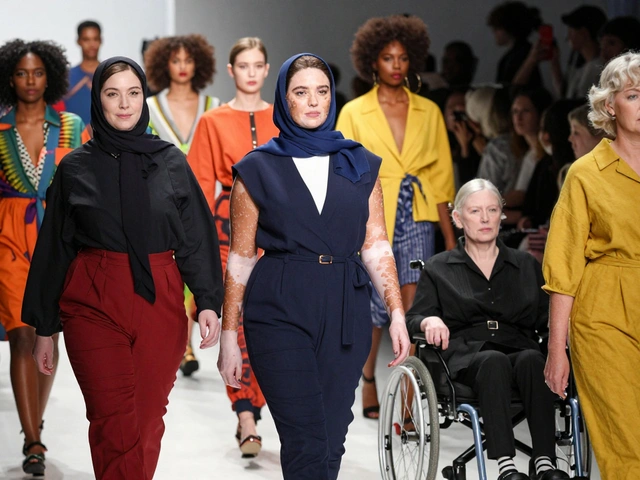
Look at the shift in body types. In 2015, less than 10% of runway models were size 10 or above. By 2025, that number jumped to 42%. Brands like Savage X Fenty, Aerie, and even Chanel have made it clear: they want models who look like real people. Lizzo, Ashley Graham, and Paloma Elsesser didn’t just break barriers-they rewrote the rules. Their presence on runways and in ads made curves not just acceptable, but desirable.
It’s not just about size. Skin texture, scars, tattoos, and natural hair are now celebrated. Models like Precious Lee and Winnie Harlow have turned what used to be considered "flaws" into signature traits. Brands that once avoided them now pay top dollar to feature them.
Models as Brand Architects
Some female models don’t just wear clothes-they help design them. Bella Hadid co-created a capsule collection with H&M that sold out in under 48 hours. Kaia Gerber helped shape the fit and fabric of her own denim line with Levi’s. These aren’t endorsements-they’re co-creation.
Why does this matter? Because models understand what people actually want to wear. They know how a jacket sits on a real shoulder. They’ve felt how a dress moves when you walk into a room. Designers listen because models are the first real users of their creations.
Take the rise of the "quiet luxury" trend. It wasn’t born in a boardroom. It started when models like Emily Ratajkowski and Kendall Jenner were spotted in simple, expensive-looking basics-cashmere turtlenecks, tailored trousers, loafers. No logos. No flashy branding. Just clean lines. Within months, every luxury brand had a version of it. The trend didn’t come from a trend report. It came from what real women were already wearing-and modeling.
The Digital Amplifier: Social Media and the New Power Dynamic
Before Instagram, fashion moved slowly. Trends took months to travel from Paris to Portland. Now, a single photo from a model can spark a global trend in hours.
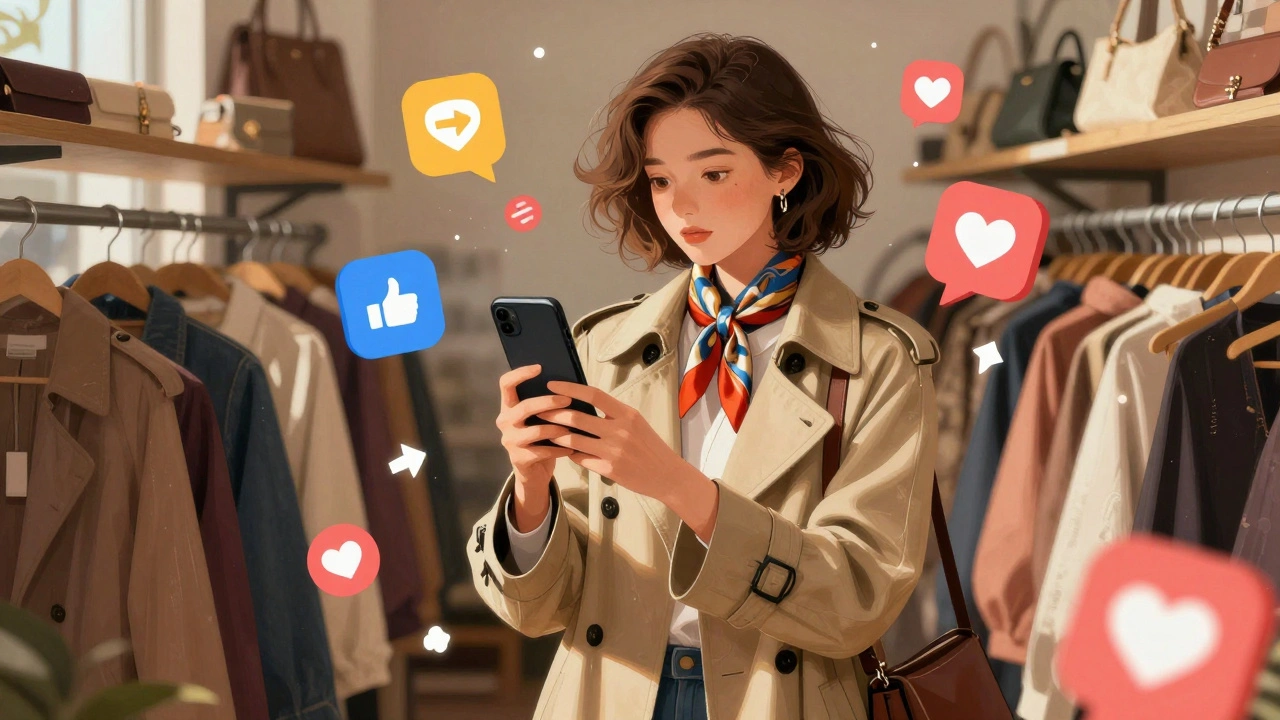
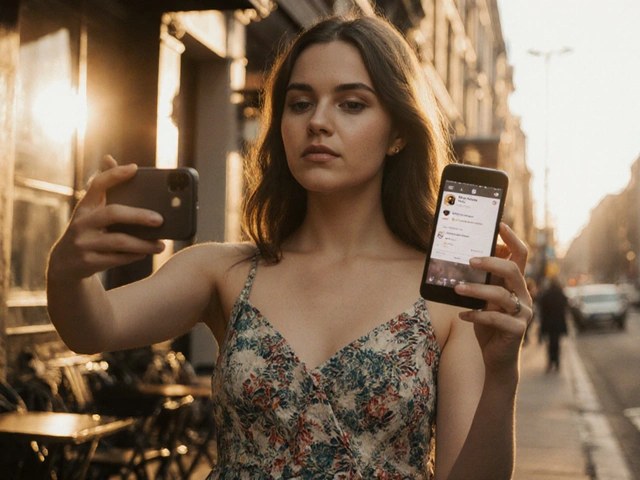
In 2024, a model named Nia Bello posted a photo of herself in a $20 thrifted trench coat with a silk scarf tied around her neck. The post got 4.2 million likes. Within a week, the same scarf sold out on Etsy. A month later, Zara released its own version. The scarf? It had been out of production for 12 years.
This is the new reality: models are no longer passive figures. They’re curators, critics, and catalysts. Their feeds are trend laboratories. Their styling choices are studied by stylists, buyers, and designers alike. A model wearing a vintage 90s slip dress on a Saturday morning can trigger a 300% spike in searches for that style by Monday.
And it’s not just about looks. Female models are using their platforms to call out unethical practices, push for diversity in casting, and demand better working conditions. Their influence extends beyond aesthetics-it’s reshaping the ethics of fashion.
Who Gets to Be a Trendsetter?
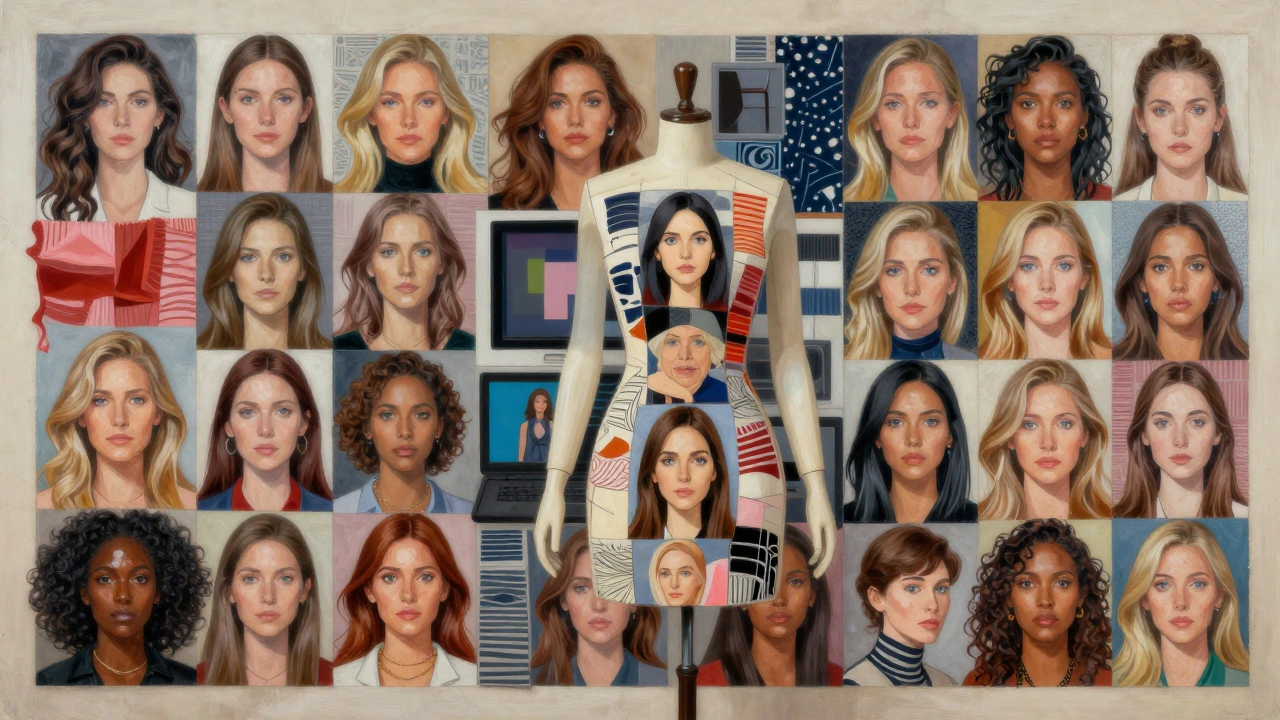
It’s easy to think only supermodels shape trends. But that’s outdated. Today, it’s the everyday models-the ones with 50,000 followers, not 5 million-who are often the most impactful.
Why? Because they feel more real. A model with a full-time job, a dog, and a love for vintage denim speaks to more people than a face on a billboard. These models aren’t selling perfection. They’re selling possibility.
Look at TikTok. The platform has birthed dozens of micro-trends driven by models who aren’t signed to major agencies. A model in Berlin started a #NoMakeupMonday trend that led to a 70% increase in sales for clean beauty brands. A model in Lagos popularized headwraps as everyday wear, and now they’re in the windows of stores in Milan and New York.
The power isn’t concentrated anymore. It’s distributed. And female models-across age, size, race, and background-are at the center of it.
The Future Is Already Here
The next big trend won’t come from a designer’s sketchbook. It’ll come from a model’s closet. From a photo posted at 11 p.m. after a long day. From a woman who just wanted to feel confident-and ended up changing what millions wear.
Brands that still treat models as interchangeable mannequins are falling behind. The ones winning are the ones treating them as collaborators, storytellers, and trend prophets.
Female models aren’t just part of fashion. They are fashion. And their influence is only growing stronger.
Do female models really create fashion trends, or do they just follow them?
Female models do both-but their role has shifted dramatically. In the past, they mostly wore what designers created. Today, many models influence designs before they’re even made. Brands now consult models on fit, fabric, and styling because they know what real people respond to. A model wearing a certain look on social media can trigger mass production within days. They’re not just following trends-they’re setting them.
How do social media platforms like Instagram affect how models influence fashion?
Instagram and TikTok turned models into direct-to-consumer trend engines. A single photo can go viral and trigger global demand. Unlike traditional fashion cycles that took months, social media makes trends happen in hours. Brands monitor model feeds closely because they’re real-time indicators of what’s selling. A model’s personal style often becomes a product line-think of Bella Hadid’s H&M collab or Kaia Gerber’s denim line with Levi’s. The line between model and designer has blurred.
Why are curvy and diverse models now so influential in fashion?
Because consumers demanded it. In the past, fashion ignored 70% of the population. But as social media gave a voice to underrepresented groups, brands had to respond. Models like Ashley Graham and Precious Lee proved that curves sell-hard. Sales data showed that campaigns featuring diverse models had 20-30% higher engagement and conversion rates. Today, brands that don’t include size, skin tone, or ability diversity lose credibility and customers. Diversity isn’t just ethical-it’s profitable.
Can a model without a major agency still impact fashion trends?
Absolutely. In fact, many of the biggest trends now start with models who aren’t signed to top agencies. TikTok and Instagram have leveled the playing field. A model in Leeds posting a thrifted outfit with a unique twist can spark a global trend. Brands now scout talent directly from social media. The model doesn’t need a big agency-they just need a strong point of view and an engaged audience. Real influence now comes from authenticity, not representation.
What’s the difference between a fashion model and a trendsetter?
A fashion model wears clothes designed by others. A trendsetter-often a model-shapes what those clothes should be. Trendsetters influence fabric choices, silhouettes, and even color palettes. They’re the ones brands ask to test prototypes. They’re the ones whose personal style gets copied by retailers. The best models today are both: they wear the clothes, but they also help make them.
December 27, 2025 AT 10:33
Herhelle Bailey
This whole post is just marketing fluff wrapped in buzzwords.
December 28, 2025 AT 09:22
Shobhit Singh
You know, I’ve been watching this shift from India for years - it’s not just about models anymore, it’s about how real people, in real cities, are quietly rewriting fashion codes. A girl in Kochi wearing a handwoven sari with combat boots? That’s a trend. A guy in Jaipur posting his dad’s vintage kurta with dad sneakers? That’s influence. Fashion isn’t top-down anymore - it’s a thousand tiny threads stitched together by people who just wanna feel seen. And honestly? That’s more beautiful than any runway show.
December 28, 2025 AT 19:55
Gail Ingram
I love how this post highlights that it’s not just about who’s on the runway, but who’s posting from their bedroom at 2 a.m. after a long shift at the café. The models who aren’t signed to agencies? They’re the ones teaching us what real confidence looks like - no filters, no stylists, just a person who knows their own style and isn’t afraid to show it. It’s not about perfection. It’s about presence. And that’s something every culture, every body, every story can contribute to.
December 29, 2025 AT 20:37
Zafer Sagar
There’s a profound philosophical shift here - fashion is no longer an art form dictated by elites, but a living, breathing dialogue between creator and consumer. The model, once a silent vessel, has become a co-author of cultural narrative. This isn’t mere influence; it’s epistemological reclamation. The body, once policed by arbitrary standards, is now a canvas of autonomy. And the digital sphere? It’s the agora of our age - where a thrifted trench coat, a scar, a headwrap, or a tattoo becomes a manifesto. The true revolution isn’t in the fabric - it’s in the gaze. We are no longer looking *at* fashion. We are looking *through* it - and seeing ourselves reflected, unfiltered, unapologetic.
December 31, 2025 AT 06:36
Jason Chan
While the cultural shift is undeniable, we must not romanticize the industry’s motives. Brands only embrace diversity when it’s profitable - and they still control the narrative. A model with 50K followers might spark a trend, but she still needs the brand’s approval to monetize it. The power dynamic hasn’t changed - it’s just been repackaged with hashtags and influencer contracts. True liberation comes when models own the IP, not just the aesthetic.
December 31, 2025 AT 23:28
Nelly Todorova
Ugh, I’m so tired of this ‘models are trendsetters’ nonsense. Everyone knows it’s just brands paying them to wear stuff they already made. And don’t even get me started on how they act like it’s some revolutionary feminist thing when it’s just another way to sell more clothes. #FakeEmpowerment
January 2, 2026 AT 20:57
Richard Jahnke
This article is a disgrace. Fashion is an art form rooted in European tradition, and now we’re told to celebrate some girl in Lagos wearing a headwrap because it went viral? This isn’t progress - it’s cultural dilution. The West used to lead. Now we bow to algorithms and influencers. What happened to craftsmanship? To discipline? To standards?