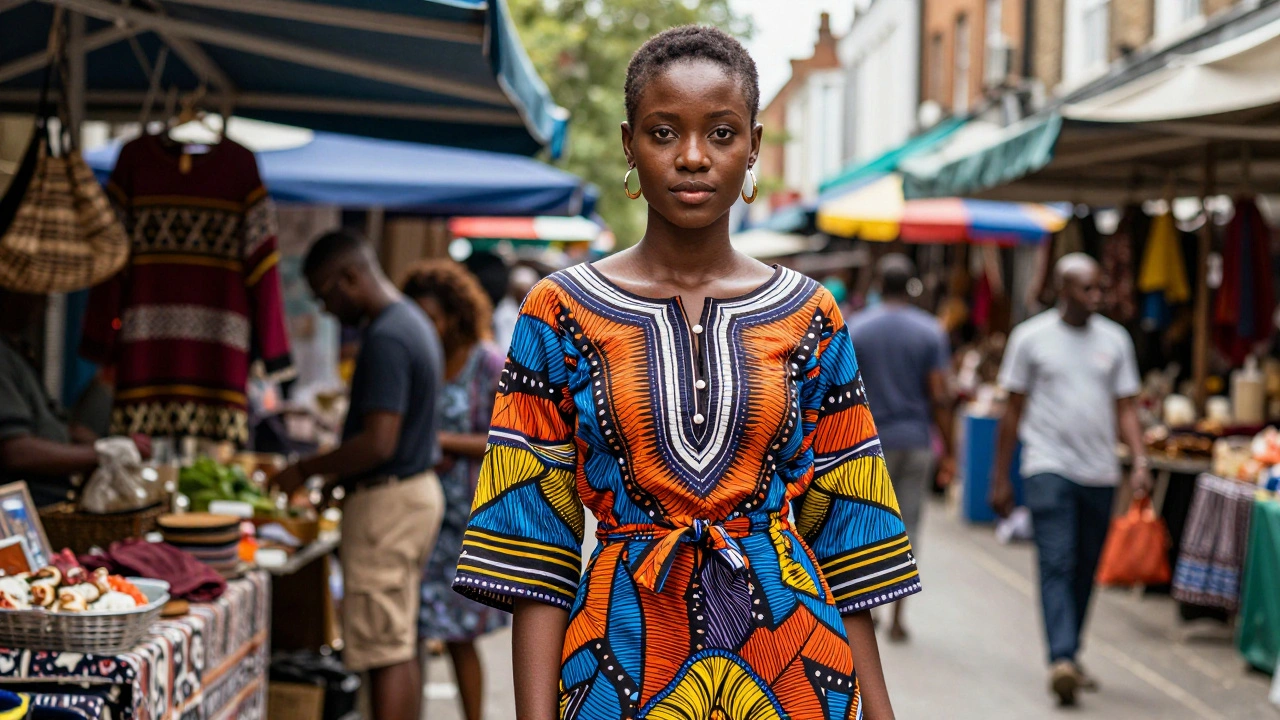
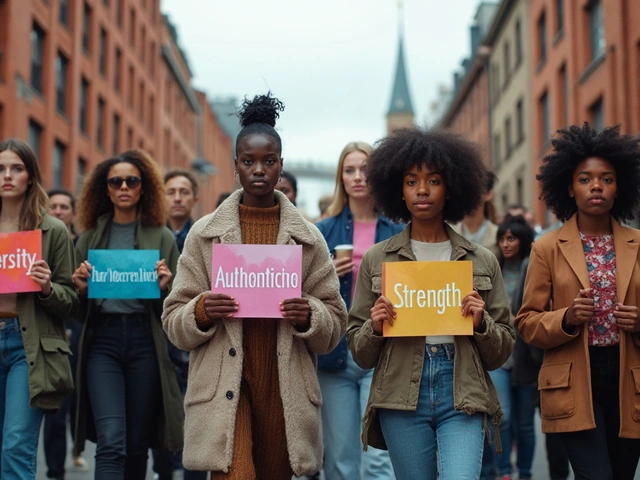
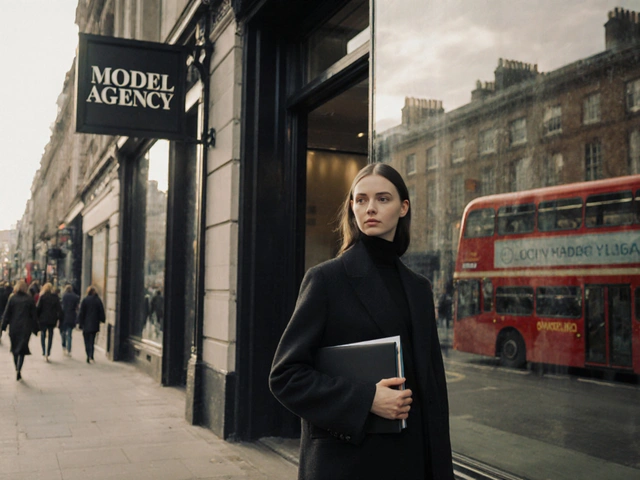
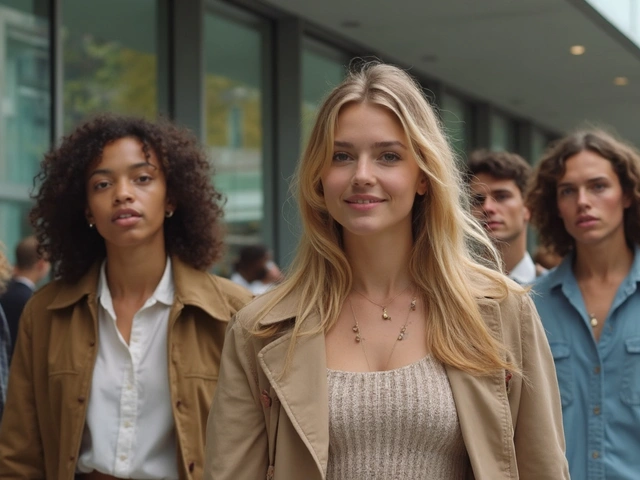
London isn’t just a city with historic streets and tube stations-it’s where the next generation of fashion faces is being shaped. Over the last three years, model agencies in London have quietly shifted what success looks like. It’s no longer just about tall, thin, and white. The future of fashion modeling here is diverse, digital, and driven by real people with real stories.
What’s Changed in London’s Modeling Scene?
Five years ago, the big agencies-Storm, Premier, Select-still leaned heavily on traditional runway looks. Today, they’re scouting in East London markets, TikTok corners, and community colleges. Agencies like Models 1 and Wilhelmina London now list over 40% of their new signings as non-traditional: models over 30, models with disabilities, models who identify as non-binary, and models who’ve never stepped on a runway before.
In 2024, a 22-year-old model named Amara Okoye, who started posting selfies from her mum’s flat in Peckham, got signed by Storm after a viral post showing her in a custom-made Ankara dress. She walked for Burberry’s spring show. No prior experience. No agency connections. Just authenticity.
That’s the new rule: if you have presence, personality, and poise-you’re in. Agencies aren’t just looking for bodies anymore. They’re looking for voices.
The Rise of the Digital Scout
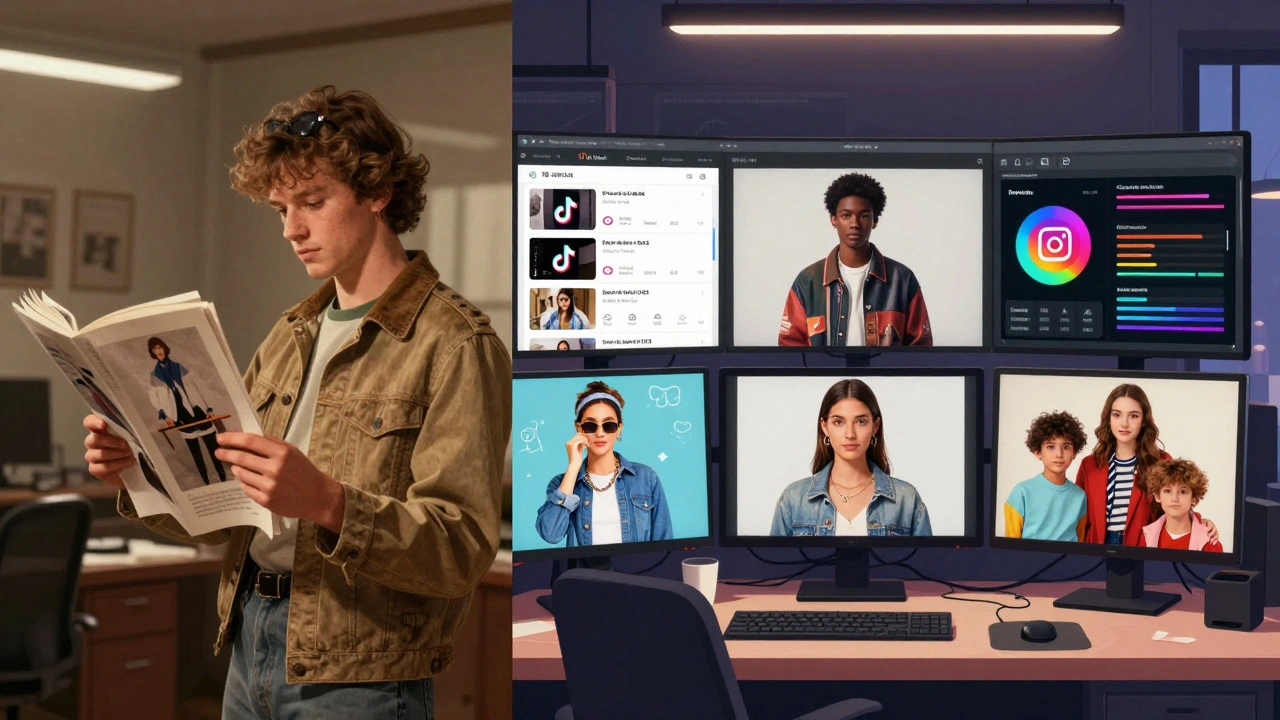
Forget the old model search: open calls in Soho, glossy portfolios, and agents flipping through binders. Today, agencies use AI tools to scan Instagram, TikTok, and even YouTube Shorts for engagement patterns. They don’t just look at likes. They track comments, shares, and how often a model interacts with followers.
One London-based agency, Model Tribe, uses an internal algorithm that flags accounts with consistent storytelling-like a model who posts weekly about her journey with alopecia, or another who documents her transition from office job to catwalk. These aren’t just models. They’re content creators with built-in audiences.
And it works. In 2025, 68% of new signings at top London agencies came from social media, not traditional scouting. The average follower count? Not 100K. Not even 50K. Just 8,000. But those followers are loyal. They comment. They tag friends. They care.
Who’s Getting Signed Right Now?
Meet the new faces dominating London’s runways and campaigns:
- Leila Chen, 19, from Croydon. Diagnosed with autism at 8. Now a face for Reformation’s sustainable line. Her agency says she brings calm to chaotic shoots.
- David Mensah, 28, Ghanaian-British, former nurse. Signed by Premier after a campaign for a gender-neutral underwear brand. He’s 5’10”, muscular, and wears size 34 jeans.
- Samira Ahmed, 34, mother of two. Former primary school teacher. Now walking for Vivienne Westwood. Her agency calls her "the anti-trend."
- Elliot Rivera, 21, non-binary, uses they/them pronouns. Signed by Models 1 after a viral video showing them styling themselves in thrifted couture. Now shoots for H&M Conscious.
These aren’t outliers. They’re the new norm. London’s agencies are no longer trying to fit people into molds. They’re building molds around the people.
How Agencies Are Adapting
The big names aren’t just changing who they sign-they’re changing how they treat them.
In 2025, Select Model Management introduced a mental health stipend: £500 per year for therapy, paid directly by the agency. Storm now requires all clients to sign a code of conduct before casting. And every agency in London now offers flexible scheduling for parents, students, and people with chronic illnesses.
Even the contracts have changed. No more 5-year exclusivity deals. No more hidden fees for "portfolio updates." Now, contracts are clear, 12-month max, with opt-out clauses. One model told me, "I used to feel like a product. Now I feel like a partner."
The Tech Behind the Scenes
Behind the glamour, tech is quietly reshaping the business. London agencies now use virtual casting platforms where models submit 30-second videos answering questions like: "What does beauty mean to you?" or "What’s a cause you stand for?"
Some agencies, like The Collective, use augmented reality to overlay a model’s face onto a garment in real time-no photoshoot needed. Brands can see how the fabric moves, how the lighting hits their skin tone, how the model carries themselves-all before booking a single shoot.
And it’s not just for efficiency. It’s for inclusion. A model in Glasgow can now be considered for a London campaign without flying across the country. A model with mobility challenges can audition from their living room. The playing field is leveling.
Why This Matters Beyond London
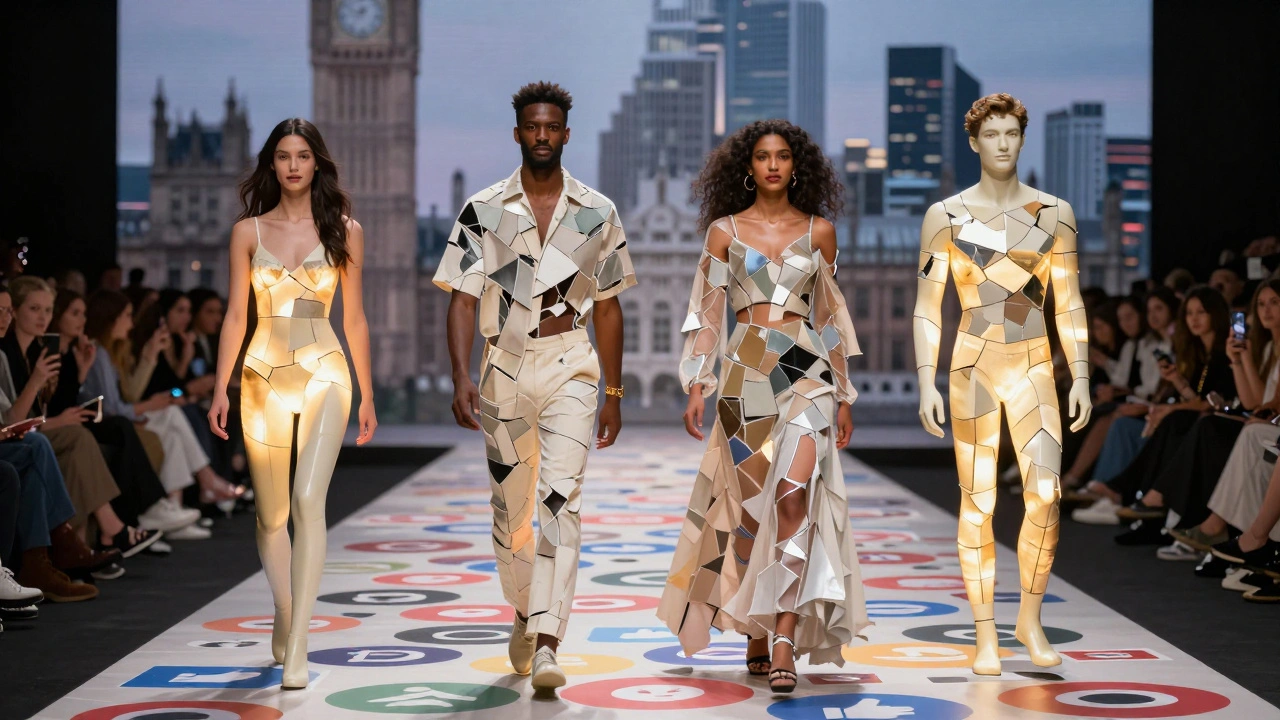
London isn’t just setting trends. It’s setting standards. What happens here ripples through Milan, Paris, and even New York. When London agencies start prioritizing mental health, other agencies follow. When they sign a model with vitiligo for a major campaign, brands worldwide take notice.
And it’s not just about diversity for the sake of optics. It’s about relevance. Gen Z and Alpha consumers don’t want to see the same faces over and over. They want to see themselves. And they’re voting with their wallets. In 2025, campaigns featuring diverse models saw 37% higher engagement than traditional ones, according to a study by the British Fashion Council.
What’s Next?
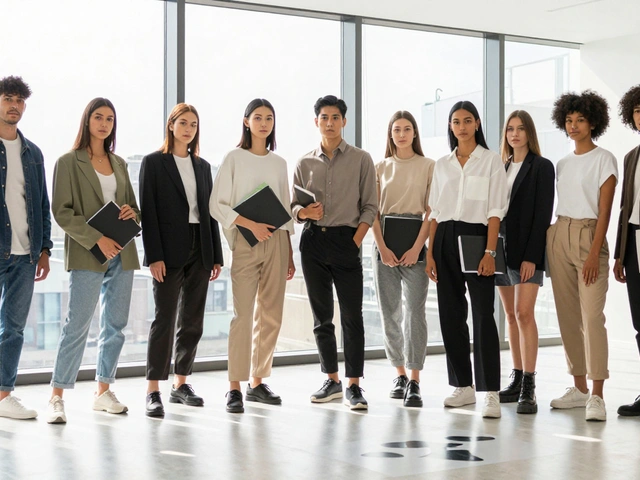
The next wave? Model agencies in London are starting to invest in training-not just posing and walking, but public speaking, financial literacy, and digital branding. Some are even partnering with local colleges to offer free short courses in content creation and contract law.
One agency, Model Forward, launched a fellowship program for young people from underrepresented backgrounds. It’s fully funded. No experience needed. Just passion. The first cohort included a single mom from Brixton, a deaf model from Leeds, and a non-binary artist from Hull.
By 2027, London’s top agencies plan to have at least half their roster come from these community-driven pipelines-not elite schools or inherited connections.
The future of fashion isn’t about perfection. It’s about truth. And London’s model agencies are finally catching up.
How do I get signed by a London model agency?
Start by building a simple, authentic social media presence. Post consistently-show your personality, your style, your life. Don’t wait for perfect lighting or professional photos. Agencies now look for engagement, not polish. Reach out to smaller agencies first-they’re more open to new faces. Attend open calls if you can, but don’t pay for portfolio shoots unless you’re sure the agency is legit. Always read contracts before signing.
Do I need to be tall to be a model in London?
No. While runway models still often fall between 5’9” and 6’, the majority of new signings in London are for commercial, editorial, and digital campaigns. These roles value character over height. Many agencies now have dedicated divisions for petite, plus-size, and mature models. If you have presence, you have a shot.
Are model agencies in London expensive to join?
Legitimate agencies don’t charge upfront fees. If an agency asks you to pay for photos, classes, or membership, walk away. Reputable agencies earn money by taking a commission (usually 15-20%) from the jobs they book you for. Always check if they’re a member of the Model Union or the British Association of Model Agencies (BAMA).
Can I be a model if I have a full-time job?
Absolutely. Many models in London work part-time, study, or have full-time jobs. Agencies now understand life doesn’t stop for fashion. Flexible scheduling, remote casting, and weekend shoots are common. Some models book one or two jobs a month and still build a solid career. It’s about consistency, not volume.
What’s the biggest mistake new models make in London?
Trying to look like someone else. Agencies don’t want clones. They want originality. Don’t edit your skin to look flawless. Don’t fake your accent. Don’t pretend you love fashion if you don’t. The most successful models are the ones who show up as themselves-messy hair, freckles, braces, scars and all. That’s what stands out now.



January 4, 2026 AT 00:27
Mariam Mosallam
So let me get this straight-we’re now celebrating people who post selfies in their mum’s flat like it’s some revolutionary act? 😂 Next they’ll award Oscars to TikTok dancers who can’t spell ‘model’.
January 5, 2026 AT 13:42
Dan Garcia
This is honestly one of the most hopeful things I’ve read all year. For so long, the industry told people they had to shrink themselves-physically, emotionally, culturally-to fit in. Now? They’re finally making space for the fullness of human experience. The mental health stipend? The flexible contracts? The virtual casting? That’s not just innovation-that’s dignity. And it’s not just changing fashion. It’s changing how we see each other. If a 34-year-old mom from Brixton can walk for Vivienne Westwood, then maybe, just maybe, the world is learning that worth isn’t measured in inches or likes. It’s measured in presence. And that? That’s everything.
January 7, 2026 AT 04:11
Éloïse Dallaire-Gauthier
London’s doing what no other fashion capital dares to: they’re letting real people walk. Not just ‘diverse’ as a buzzword, but actual lived experience-autistic models, deaf models, non-binary creators, single moms who’ve never touched a runway. This isn’t performative inclusion-it’s structural revolution. And if Milan, Paris, or New York think they can ignore this? They’re not just behind-they’re obsolete. We don’t need more flawless skin. We need more truth. And truth doesn’t come from a photoshoot. It comes from a living room, a bus ride, a post-work shift, a TikTok video shot on a cracked phone. London gets it. The rest of the world better catch up-or get left in the dust with mannequins.
January 9, 2026 AT 00:58
jeremy nossiter
It’s fascinating-really, profoundly so-that the very tools that once commodified identity-social media, algorithms, engagement metrics-are now being weaponized, in the most beautiful way, to dismantle the very systems that once excluded those identities… I mean, think about it: an algorithm that doesn’t care if you’re 5’2” or have vitiligo or speak with a Croydon accent, but instead tracks whether you make people feel something-whether your story makes someone pause, comment, tag a friend… That’s not just business-it’s a cultural recalibration. And the fact that agencies are now paying for therapy? That’s not a perk-it’s a moral reckoning. The old model was transactional: you were a body, a product, a number. Now? You’re a person. And people? People have histories. Trauma. Joy. Family. Messy hair. Braces. And that? That’s what’s selling now. Not perfection. Not polish. Just… you. And honestly? I’m not just impressed-I’m moved.
January 9, 2026 AT 01:35
Sharon Bryant
‘They’re building molds around the people.’ No. They’re not. They’re just finally stopping forcing square pegs into round holes. And it’s about damn time.
January 9, 2026 AT 11:58
Derren Spernol
Kinda wild how the whole thing flipped. Used to be, you needed to be tall, white, and silent to get signed. Now you just need to be real-and the algorithm picks you up. I saw a guy from Nebraska get scouted because he posted a video of himself fixing his grandma’s dress while talking about her immigration story. No studio. No makeup. Just him. And now he’s in a H&M ad. The industry’s not broken anymore-it’s just… finally awake. And honestly? I’m glad. It’s about time fashion stopped pretending to be about beauty and started being about people.