Your model portfolio isn’t just a collection of photos. It’s your first impression, your resume, and your pitch-all rolled into one. If your portfolio looks like everyone else’s, you’re already behind. The industry doesn’t need more generic headshots and straight-on poses. It needs personality, storytelling, and bold choices that make casting directors stop scrolling.
Start With a Clear Purpose
Before you even pick a camera, ask yourself: what kind of work do you want? Are you aiming for high fashion runways? Commercial ads for toothpaste? Editorial spreads in niche magazines? Your portfolio should scream your niche, not whisper it.One model I worked with in London landed her first gig after sending a 12-image portfolio focused entirely on streetwear campaigns. She didn’t have a single editorial shot. But every photo showed how she moved in oversized jackets, how her posture changed with sneakers, how she looked natural in urban backdrops. That clarity got her noticed.
Don’t try to be everything. Be the go-to for one thing. Then build from there.
Break the Mold: 5 Unusual Portfolio Ideas
1. The ‘Before and After’ Transformation
Instead of showing only your best day, show your process. One fitness model in Manchester shot a series where she wore the same outfit in three different lighting conditions: morning fog, midday sun, and evening streetlights. The captions explained how her skin looked, how her muscles appeared, how the fabric reacted. It wasn’t just about looking good-it showed she understood lighting, texture, and realism. Brands started reaching out because they could see how she’d perform in real-world shoots.
2. The Storytelling Series
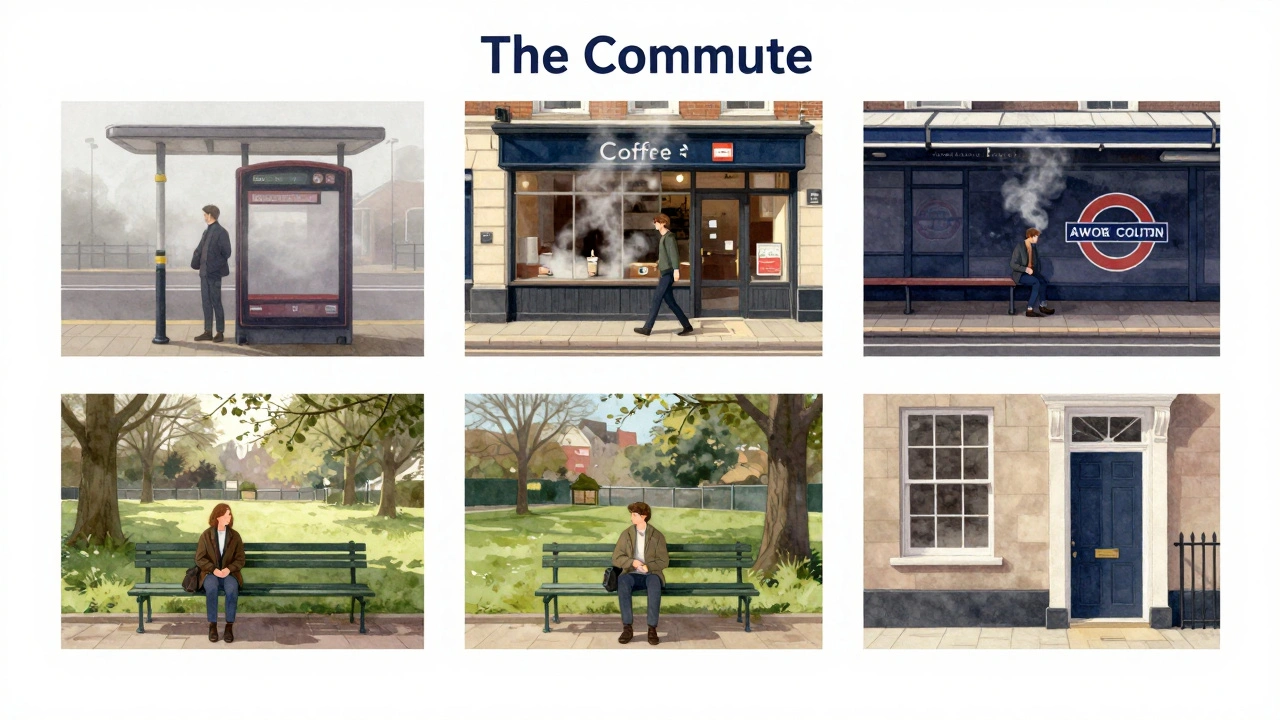
Think of your portfolio like a short film. A model in Brighton created a five-image sequence titled “The Commute.” She wore the same outfit across five locations: a bus stop, a coffee shop, a subway station, a park bench, and her front door. Each image told a small part of a day. No text. No posing. Just quiet, honest moments. It went viral on Instagram and caught the eye of a boutique clothing brand looking for authentic, relatable faces.
3. The ‘No Makeup’ Challenge
Too many portfolios hide behind filters and retouching. Try shooting a full set with zero makeup, no retouching, and natural light. Show freckles, skin texture, uneven brows. A teenage model in Leeds did this for her first portfolio. She didn’t look “perfect.” She looked real. A casting director told her, “I’ve seen a thousand flawless faces. Yours is the only one I could imagine talking to a customer in a store.” That authenticity landed her a campaign for a skincare line targeting Gen Z.
4. The Environment as a Co-Star
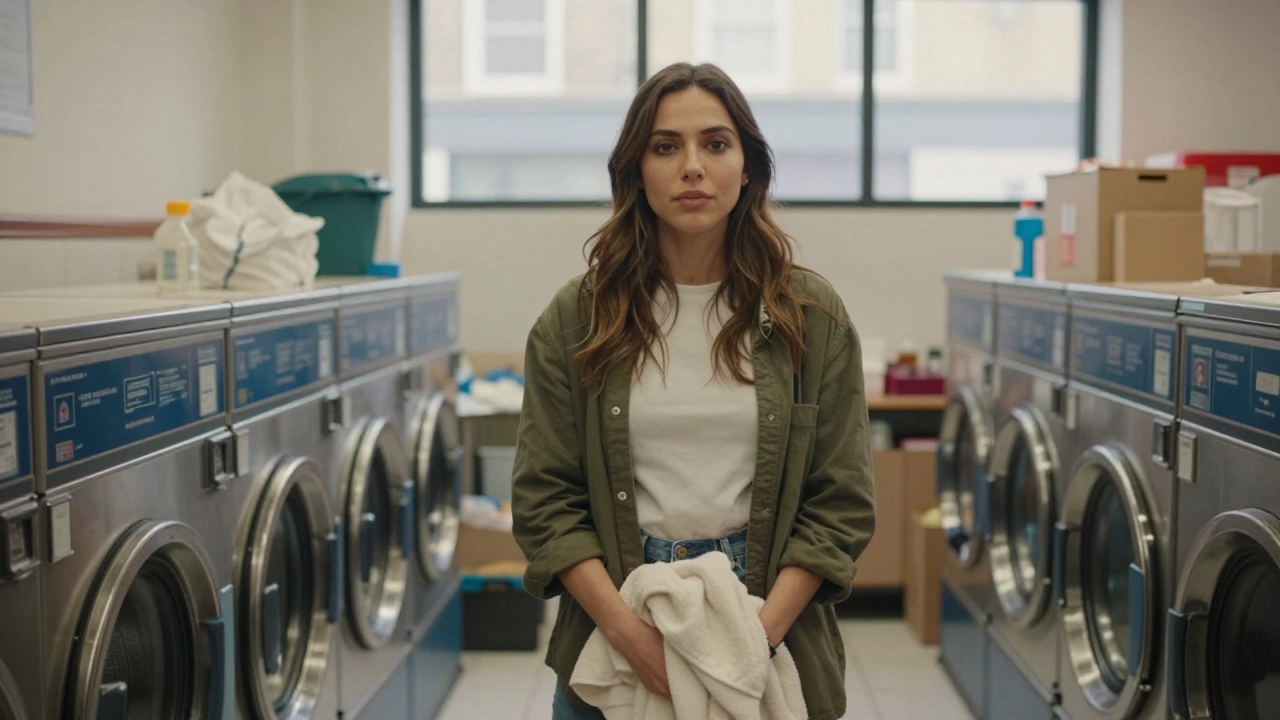
Stop shooting everything in a studio. Use your surroundings. A curvy model in Glasgow shot her entire portfolio inside a laundromat. She posed among washing machines, holding folded towels, sitting on laundry carts. The colors, the textures, the noise of the machines-it all added mood. She didn’t need a fancy backdrop. The environment told the story. She got signed by a brand that wanted to show real bodies in real spaces.
5. The ‘One Pose, Five Looks’ Test
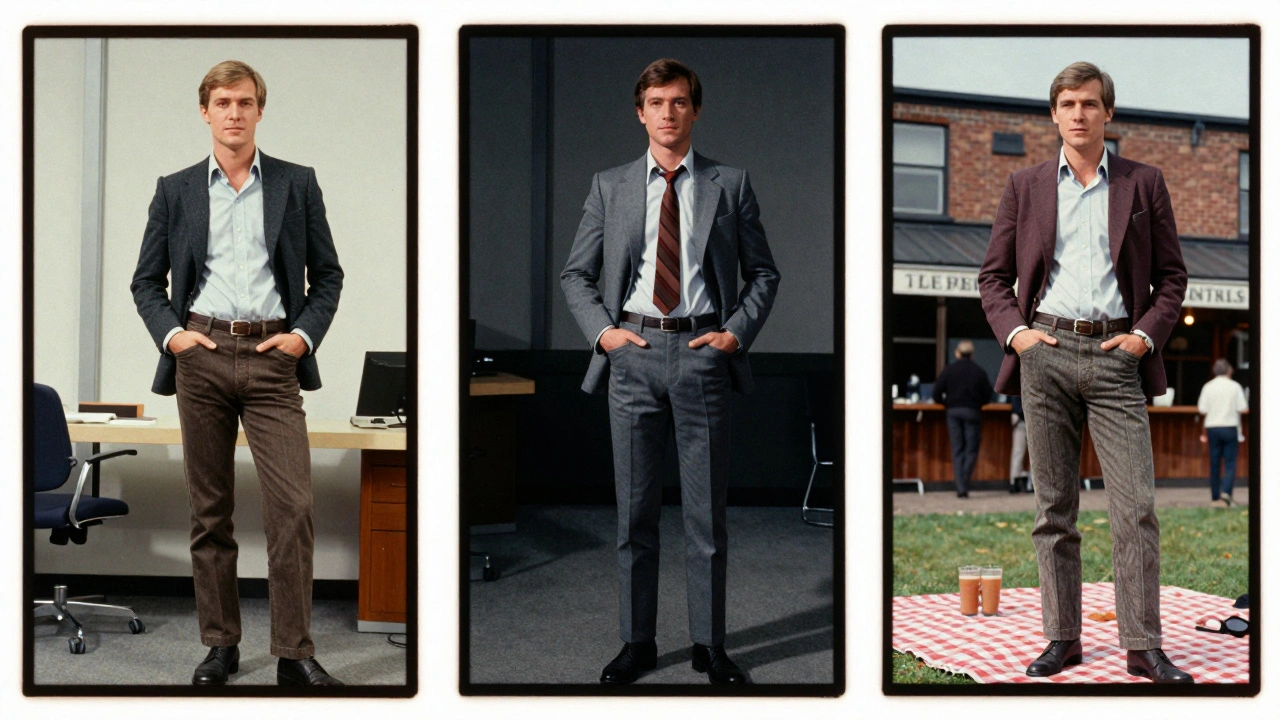
Take one simple pose-say, standing with hands in pockets-and change just one thing in each shot: hair, lighting, clothing, expression, background. The result? Five wildly different moods from the same stance. It proves versatility without needing 50 photos. A male model in Birmingham used this method for his commercial portfolio. He showed how the same body could read as “casual Friday,” “corporate Monday,” “weekend adventurer,” “late-night bar,” and “family picnic.” Agencies loved how efficiently he demonstrated range.
What to Cut From Your Portfolio
Less is more. If you have 30 photos, you’re probably showing too many. Aim for 10-15 strong images. Here’s what to delete:
- Photos where you’re not the focal point (e.g., group shots where you’re blurry or in the corner)
- Images with bad lighting-no one cares if you were tired that day
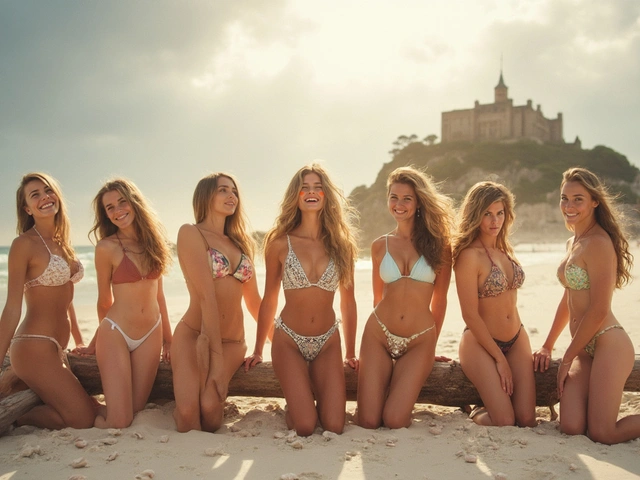
- Photos where you’re wearing something that doesn’t match your brand (e.g., bikini shots in a high-fashion portfolio)
- Old photos from when you looked completely different (unless you’re a teen model transitioning to adult)
- Any shot that makes you feel awkward or unsure
Your portfolio should feel like a curated gallery, not a scrapbook.
How to Present It
PDFs are dead. Websites are mandatory. Use a clean, fast-loading platform like Format, Squarespace, or even a simple WordPress theme designed for models. Your site should load in under 2 seconds. No pop-ups. No autoplay music. Just your photos, your name, and one clear call to action: “Book Me” or “View My Reel.”
Include your stats: height, measurements, hair color, eye color, shoe size. Don’t make them guess. Add your location (e.g., “Based in London”) so agencies know if you’re local. And always, always include your contact info-email, not just Instagram.
Update It Like a Living Thing
Your portfolio isn’t set in stone. Every 3-6 months, swap out one or two photos. Add a new look. Remove an outdated one. If you’ve done a new campaign, a runway show, or even a small editorial shoot, put it in. Keep it fresh. Agencies check portfolios regularly. If yours looks like it hasn’t changed since 2022, they assume you’re not active.
One model I know updates her portfolio every season. She doesn’t wait for big jobs. She shoots with local photographers for free just to keep her look current. That habit landed her a spot in a major fashion week lookbook last year.
Common Mistakes (And How to Avoid Them)
- Using low-res images. If it looks pixelated on a laptop, it won’t work on a 4K monitor. Shoot in RAW and export at 300dpi.
- Too many selfies. Selfies scream amateur. Even if you’re a social media model, your portfolio needs professional shots.
- Not including diversity. If you’re a woman of color, show your skin tone accurately. If you’re tall, show your full body. Don’t crop out your legs just because you’re self-conscious.
- Ignoring video. Add a 15-30 second reel showing how you walk, how you turn, how you react to direction. Many agencies now ask for it.
What Agencies Actually Look For
They’re not looking for perfection. They’re looking for potential. They want to see:
- Can this person hold a look for 10 seconds without blinking?
- Do they move naturally, or do they look stiff?
- Does their face read clearly from 10 feet away?
- Can they adapt to different styles?
One casting director told me: “I don’t need someone who looks like a magazine cover. I need someone who looks like they can walk into a room and make the client feel something.”
That’s your goal. Not to look famous. To feel real. To be memorable.
Next Steps: Build Your First Unique Portfolio
Here’s your 7-day plan:
- Day 1: Define your niche. Write it down: “I am a commercial model who specializes in everyday beauty.”
- Day 2: Find a photographer who’s willing to collaborate. Look for students, emerging artists, or local studios offering trade shoots.
- Day 3: Pick one of the five unusual ideas above. Don’t overthink it. Just pick one.
- Day 4: Shoot. No retouching yet. Just capture the moment.
- Day 5: Select 10 best images. Kill the rest.
- Day 6: Build a simple website. Use a free template. Upload your photos. Add your stats and contact info.
- Day 7: Send it to three agencies. Not 30. Three. Then wait. Then update it next month.
You don’t need a big budget. You don’t need to fly to New York. You just need to be different. And real.
How many photos should be in a model portfolio?
A strong model portfolio has between 10 and 15 high-quality images. More than that can overwhelm viewers. Fewer than 8 may not show enough range. Quality always beats quantity. Choose photos that show your best expressions, movement, and versatility in your chosen niche.
Should I include nude or suggestive photos in my portfolio?
Never include nude or suggestive photos unless you’re specifically targeting glamour or adult modeling. Most commercial, fashion, and editorial agencies will dismiss your portfolio immediately if they see inappropriate content. Keep your portfolio professional and focused on your target market. If you’re unsure, err on the side of caution.
Can I use my Instagram as my portfolio?
Instagram is great for exposure, but it’s not a replacement for a professional portfolio. Agencies need a clean, organized layout with your stats, contact info, and high-res images. Instagram posts are often low-res, cluttered with comments, and hard to navigate. Use Instagram to drive traffic to your website, not as your main portfolio.
Do I need a professional photographer for my portfolio?
You don’t need a celebrity photographer, but you do need someone who understands lighting, composition, and how to direct a model. A skilled student photographer or a local studio with experience in modeling portfolios can deliver excellent results at a fraction of the cost. Avoid friends with DSLRs unless they’ve done this before.
How often should I update my model portfolio?
Update your portfolio every 3 to 6 months, even if you haven’t had new jobs. Swap out outdated photos, add new ones that reflect your current look, and remove anything that no longer represents your brand. Agencies notice when a portfolio looks stale. Keeping it fresh shows you’re active and serious.
Final Thought: Be the One They Remember
The modeling industry is crowded. But the people who book jobs aren’t the ones with the most photos. They’re the ones who made the casting director pause. Who made them say, “Wait-who’s that?”
That’s what your portfolio is for. Not to prove you’re perfect. But to prove you’re unforgettable.


December 7, 2025 AT 23:22
Juhi Edwin
Love this. I’ve seen so many portfolios that feel like stock photos with eyelashes glued on. Realness is the new luxury. The laundromat one? Genius. Nobody’s thinking about everyday spaces as backdrops-but they should be. Real life is the most interesting stage.
December 9, 2025 AT 07:57
Thandi Mothupi
ugh i mean like… why even bother if you’re not gonna shoot in a studio with 10 lights and a 50mm prime? the ‘before and after’ thing is sooo last season… also who has time to do 5 looks in one pose? i’m tired just reading this. also i’m from johannesburg and we don’t do ‘natural light’ here we do ‘glow up’ 😌
December 11, 2025 AT 05:33
Elizabeth Guice
Let me tell you something about authenticity-it’s not a trend, it’s a revolution. The model in Leeds who shot without makeup? She didn’t just defy beauty standards, she dismantled them. Every freckle, every uneven brow, every shadow under her eyes was a quiet scream against an industry that’s spent decades selling lies as perfection. And now? Brands are begging for that truth because consumers are starving for it. This isn’t about modeling anymore. It’s about humanity. You’re not selling a face-you’re selling a story that someone else can recognize in their own bathroom mirror at 2 a.m. That’s power. That’s legacy. That’s why the industry is shifting-not because someone told it to, but because people finally refused to look away.
December 11, 2025 AT 14:16
Dan Helmick
Oh wow. So let me get this straight-we’re now in the era where the only way to stand out is to look like you just rolled out of bed after a 3 a.m. existential crisis, with laundry as your runway and your skin texture as your brand identity? I mean, I get it. The industry is drowning in filtered clones, but now we’re swapping one kind of inauthenticity for another? The ‘no makeup’ portfolio is just the new contouring. And don’t even get me started on the ‘commute’ series-next thing you know, someone’s going to post a portfolio titled ‘Waiting for the Bus While Thinking About Capitalism.’ At what point do we stop calling this art and start calling it performative vulnerability? Also, who decided that a laundromat is more ‘real’ than a studio? I’ve seen more emotional depth in a dryer cycle than in half these ‘authentic’ shots. The truth? You don’t need to be messy to be memorable. You just need to be intentional. And maybe hire a photographer who knows how to light a jawline without making it look like a crime scene.
December 11, 2025 AT 19:43
Eugene Stanley
Hey, I just wanted to say I really appreciate how this post doesn’t just say ‘do this’ but actually explains why. I’m a new model and I was so overwhelmed by all the ‘perfect’ portfolios online-this actually made me feel like I could start without a million dollars. The 7-day plan? Perfect. I’m doing it next week. Also, the bit about Instagram not being a portfolio? So true. My cousin tried to send hers as an IG link and got laughed out of the room. Thanks for the clarity 🙏
December 12, 2025 AT 02:28
Michelle Avendano
Stop pretending this is art. It’s just marketing with a side of trauma porn. I’ve seen the ‘no makeup’ ones. They’re not real-they’re curated misery. You think your acne is rebellion? It’s just bad skincare. And the laundromat? Cute. But if you’re not getting paid for this, you’re not a model-you’re a prop. I don’t care how ‘relatable’ you are. If you can’t walk in heels and hold a look for 10 seconds, you’re not in the game. Just say no to the noise.
December 13, 2025 AT 14:33
jasmine zeindler
OMG I’m literally crying 😭 this is the most *elevated* take I’ve seen since the last time I watched a Bergman film on a 4K screen while sipping organic lavender matcha. The laundromat model? She’s not just a model-she’s a *conceptual textile artist*. And the ‘one pose, five looks’? That’s not versatility-that’s *Baudrillardian semiotic play*! I’m booking a flight to Birmingham to meet this genius. I’ll send him my CV. He’ll be my new muse. 💫✨