Every year, four major fashion weeks-New York, London, Milan, and Paris-turn the fashion world upside down. For models, these aren’t just parties with glitter and champagne. They’re the make-or-break moments that decide who gets booked, who gets paid, and who disappears from the industry. If you’re trying to land model jobs, understanding how fashion weeks work isn’t optional. It’s the roadmap.
What Happens During Fashion Weeks?
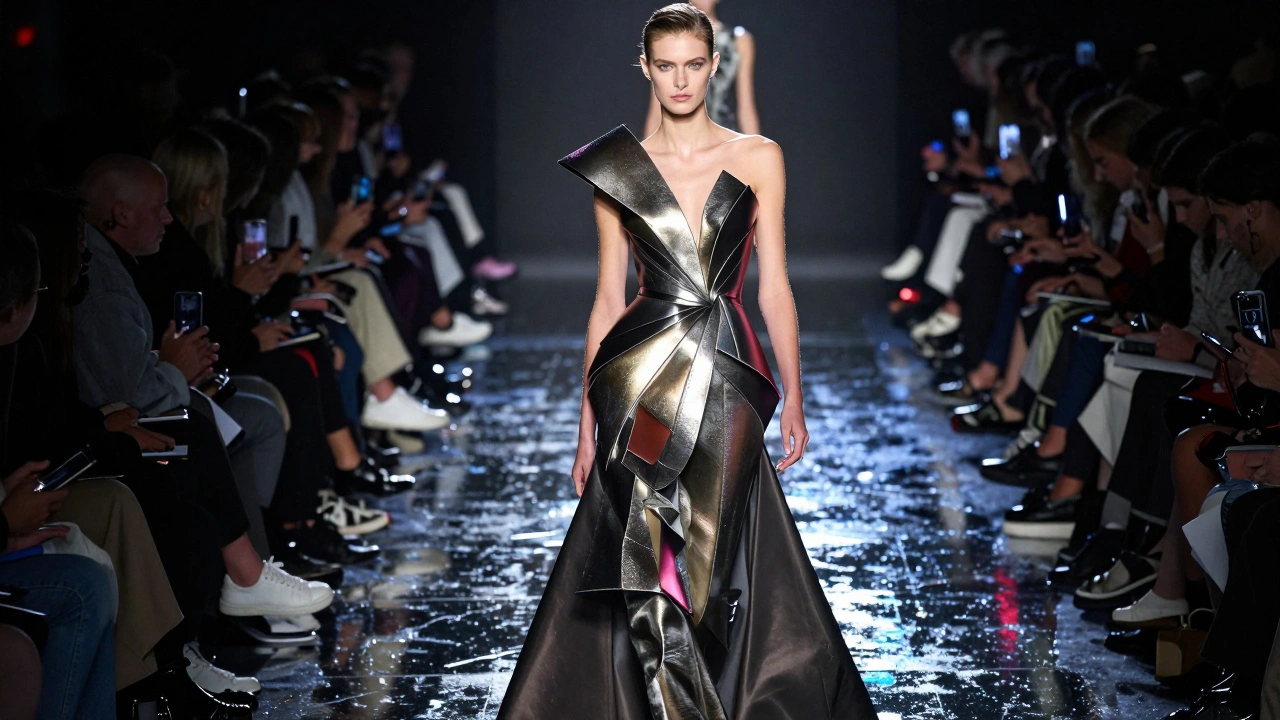
Fashion weeks are where designers show their new collections to buyers, editors, and influencers. But behind the scenes, it’s a high-stakes hiring fair. Designers don’t just pick models because they look pretty. They need people who fit their vision: the right height, the right walk, the right face for the fabric. A single runway show can lead to a six-figure contract-or zero calls for months.
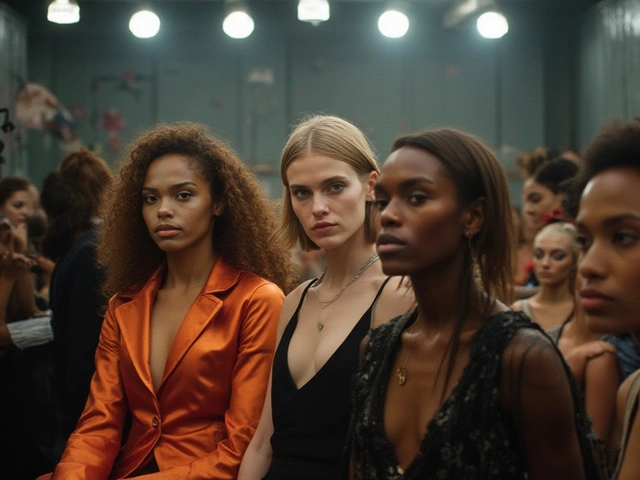
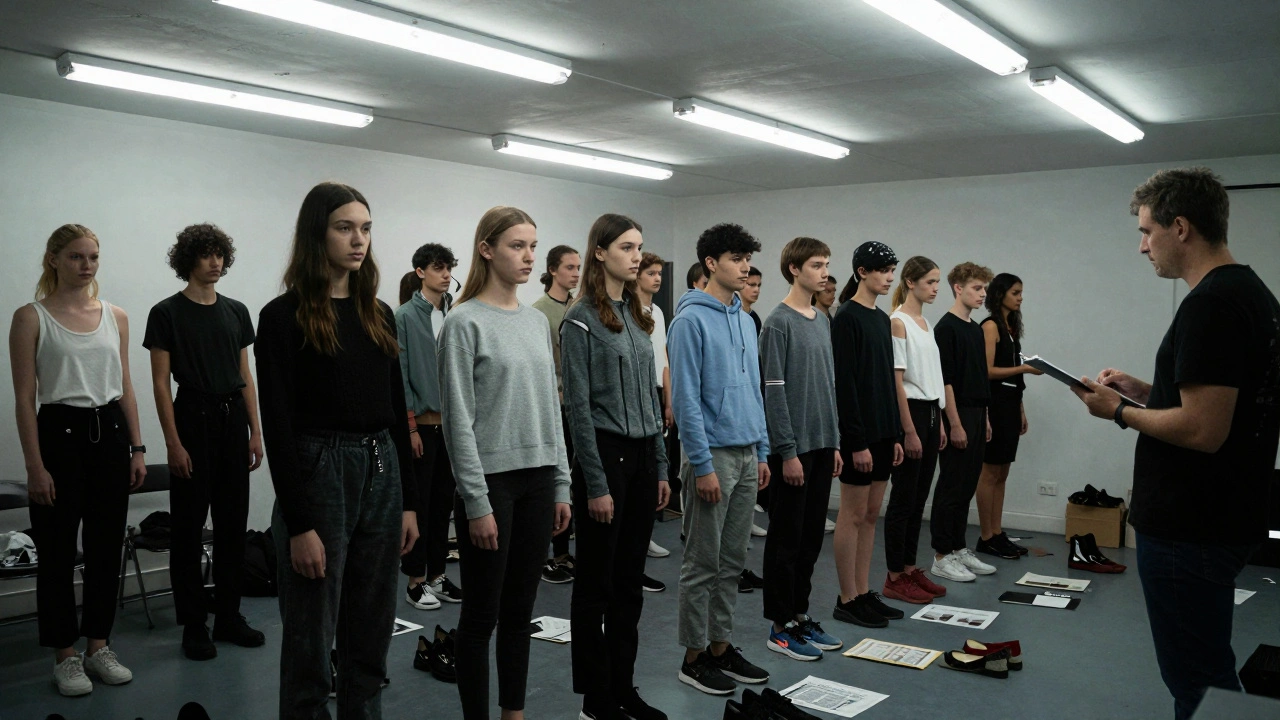
Models don’t just walk. They audition. Agencies send dozens of girls and guys to casting calls weeks before the shows even start. Castings happen in cramped rooms with fluorescent lights, where you’re asked to walk ten feet, turn, and stand still while a room full of strangers stare. One wrong step, one awkward smile, and you’re out. No second chances.
Why Fashion Weeks Are the Gatekeepers of Model Jobs
Before social media, fashion weeks were the only way to break into high fashion. Even today, if you haven’t walked a major runway, agencies won’t take you seriously. Top clients like Chanel, Gucci, and Prada still rely on these events to find their faces. A model who walks in Milan can expect to earn between $5,000 and $20,000 per show. That’s not freelance pay-that’s a full-time salary.
But here’s the truth most new models don’t hear: walking a show doesn’t guarantee work after. Many models walk five shows in a week and get zero editorial jobs or campaigns. The runway is just the entry ticket. What happens after-bookings, magazine covers, brand deals-is what builds a career.
How to Get Cast in Fashion Weeks
Getting into fashion weeks isn’t about being the prettiest. It’s about being the right fit at the right time. Agencies submit portfolios based on what designers are asking for. If a designer wants tall, androgynous models with sharp cheekbones, they’ll call for that. If they want diversity, they’ll ask for different body types, skin tones, and ages.
Here’s what actually gets you noticed:
- Have a professional portfolio with at least 10 strong images: editorial, commercial, and runway shots. No selfies. No filters that change your face.
- Sign with a reputable agency that has direct access to fashion week castings. Big names like IMG, Ford, or Elite aren’t the only ones-smaller agencies with strong European connections often get first dibs on emerging markets.
- Be ready to travel. Fashion weeks happen in February and September. You’ll need a passport, visa, and a plane ticket. Agencies sometimes cover costs, but many expect models to pay upfront. That’s a red flag if you’re new.
- Know your measurements. Runway models are typically 5’9” to 6’0” for women, 6’0” to 6’2” for men. But some designers now cast models as short as 5’7” for streetwear shows. Flexibility matters.
The Hidden Rules of Fashion Week Modeling
There’s an unspoken code. Models who last don’t just show up. They show up early. They don’t text during castings. They don’t argue with stylists. They don’t show up with a bad haircut or a sunburn. They’re quiet, professional, and reliable.
One model I spoke to told me she got booked for three shows in Paris because she stayed in the same hotel as the casting director’s assistant. She didn’t flirt. She didn’t beg. She just showed up every day with a notebook, asked polite questions, and never complained about the 4 a.m. call times. That’s how you get remembered.
Another rule: don’t chase the big names. If you’re told you’re “too commercial” for Milan, don’t force it. Some designers want models who look like they just walked off the street. Others want ethereal, almost alien beauty. Know your type. Stick to it.
What Happens After Fashion Week?
Walking a show is just the beginning. The real money comes after: editorial spreads in Vogue, campaigns for L’Oréal, or walking for a luxury brand’s global ad. But those don’t happen unless you’re already on the radar.
After the shows, buyers from department stores like Nordstrom, Saks, and Selfridges review the collections. If they like what they see, they place orders. Those orders mean more jobs for the models who wore the clothes. A single campaign can earn a model $50,000 to $200,000. That’s why agencies push so hard to get their models on the runway.
But here’s the catch: if you don’t have a strong social media presence, you’re already behind. Brands now look at Instagram followers, engagement rates, and how well you represent their aesthetic. A model with 50,000 engaged followers can earn more than one with 500,000 who doesn’t post consistently.
Model Jobs Outside the Runway
Not every model job happens on a runway. In fact, most don’t. Commercial modeling for shampoo, jeans, or makeup is where most models make their living. These gigs pay $500 to $3,000 per day. They’re less glamorous, but they’re steady.
Some models split their time: walk in fashion weeks, then shoot for Target or H&M. Others transition into influencer work, styling, or even design. The most successful ones treat their career like a business. They hire accountants, save 30% of their earnings, and invest in training-voice coaching, posture classes, even language lessons.
There’s a model in Berlin who walks for Balenciaga in Paris, shoots for a German skincare brand in Hamburg, and teaches modeling workshops in Leipzig. She doesn’t wait for calls. She creates her own opportunities.
Red Flags in Model Jobs
Scams are everywhere. If someone asks you to pay for a “portfolio shoot” with a famous photographer, walk away. Real agencies don’t charge upfront fees. They take 15% to 20% of your earnings after you get paid.
Another red flag: agencies that promise “guaranteed runway spots.” No one can guarantee that. Even top models get rejected. If a company says they can get you into New York Fashion Week for $2,000, it’s a scam.
Always check the agency’s history. Look up past models they’ve represented. Did those models get real jobs? Or did they just disappear? Ask for references. Talk to models who’ve worked with them.
How to Stay Relevant Beyond the Season
Fashion weeks happen twice a year. That leaves six months of silence. What do you do then?
- Keep shooting. Even if it’s just with a friend with a camera. Update your portfolio every 3-4 months.
- Build relationships with stylists and photographers. They’re the ones who recommend you to editors.
- Learn to speak at least one other language. French, Italian, or Mandarin opens doors in Europe and Asia.
- Follow designers on Instagram. Comment thoughtfully. Don’t spam. Be genuine.
The models who thrive aren’t the ones with the most likes. They’re the ones who show up, every day, ready to work-even when no one’s watching.
Can you get model jobs without walking in fashion weeks?
Yes, but it’s harder. Commercial modeling, catalog work, and influencer gigs don’t require runway experience. However, if you want to work with luxury brands, high-end magazines, or global campaigns, fashion week exposure is still the most trusted credential. It signals to clients that you’ve been vetted by top industry professionals.
How much do models earn during fashion weeks?
Earnings vary widely. New models might earn $500-$1,500 per show. Mid-level models with a few seasons under their belt make $2,000-$8,000. Top models can earn $15,000-$50,000 per show, especially for closing a major show like Chanel or Dior. These are one-time payments, not salaries. Most models need multiple gigs to make a living.
Do you need to be tall to be a model?
Traditionally, yes-runway models are expected to be 5’9” or taller. But the industry is changing. Streetwear, athleisure, and gender-neutral lines now cast models as short as 5’7”. Some designers even prefer models who look like real people. Height matters less than presence, walk, and how well you fit the designer’s vision.
What’s the difference between a model and a fashion model?
All fashion models are models, but not all models are fashion models. Fashion models specialize in runway, editorial, and high-end campaigns. Other types include commercial models (for ads, catalogs), fitness models, and promotional models. Fashion modeling is more competitive, requires specific physical traits, and usually pays more-but only if you land the right gigs.
How long do model careers last?
There’s no set timeline. Some models retire by 25. Others work into their 40s and beyond, especially if they transition into commercial, mature, or influencer roles. The key is adaptability. Models who learn to shoot, style, or manage their brand often extend their careers longer than those who only walk runways.
If you’re serious about model jobs, treat this like a job-not a dream. Show up. Be ready. Stay professional. The runway isn’t the finish line. It’s the first step.