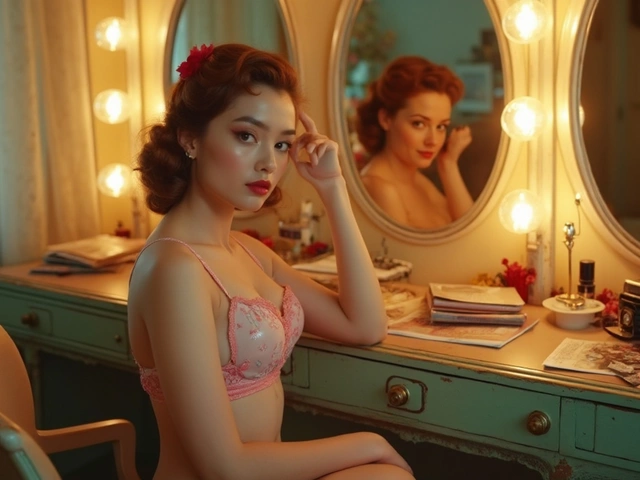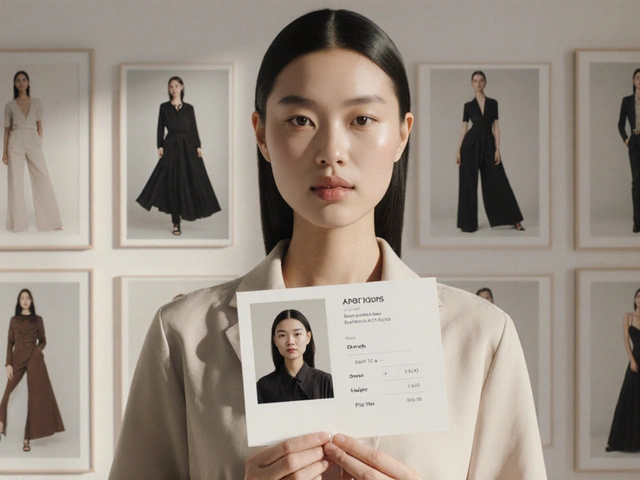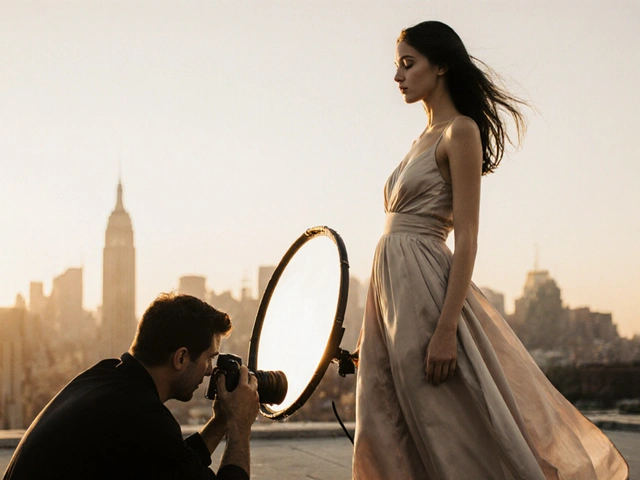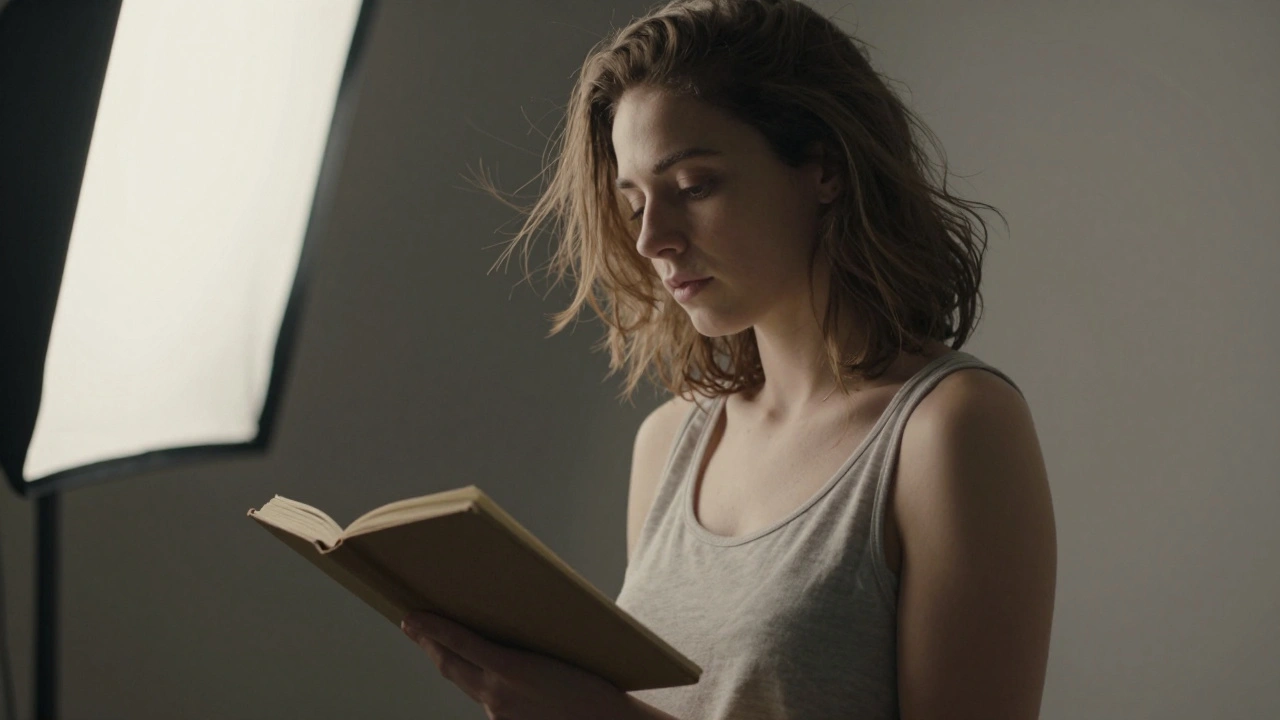
Think about the last time you saw a model photo that made you stop scrolling. It wasn’t just the clothes, the lighting, or even the location. It was the movement - the way her hair caught the wind, the subtle shift in her shoulder, the quiet tension in her fingers. And the emotion - the flicker of vulnerability, the spark of defiance, the unspoken story in her eyes. That’s what turns a picture into a moment.
Too many model photoshoots feel flat. The model stands still, smiles on cue, and the photographer moves around like they’re checking off a list. But real connection doesn’t happen in a pose. It happens in the spaces between. The half-second after a laugh. The breath before a tear. The weight shift when you’re tired but still holding your posture.
Why Movement Matters More Than You Think
Movement isn’t about dancing or running across a rooftop. It’s about alive energy. A still model can look like a mannequin. A moving model looks like a person. And people connect with people, not statues.
Studies from the University of London’s Visual Perception Lab show that images with subtle motion cues - a slightly lifted hem, a wind-blown strand of hair, a hand adjusting a sleeve - are remembered 47% longer than static shots. Why? Because our brains are wired to notice motion. It signals life. It triggers empathy.
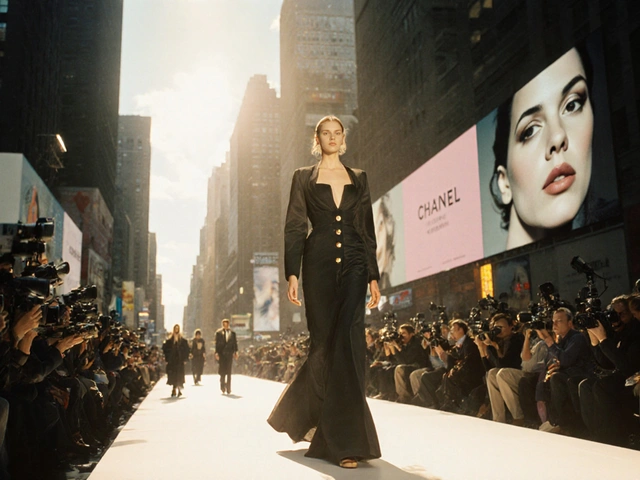
Think of a model walking down a runway. She’s not just stepping forward. She’s shifting her weight, rolling her hips, letting her shoulders lead. That’s the same energy you want in a photo. It’s not about big gestures. It’s about micro-movements that feel real.
How to Elicit Real Emotion - Not Just a Smile
Asking a model to "look happy" rarely works. They tense up. Their eyes glaze over. You get what we call "photoshoot face" - polite, empty, and forgettable.
Instead, trigger emotion through experience. Here’s how:
- Play a song that means something to them - not just any track, but one tied to a memory. A song from their first concert, a breakup, a road trip. Watch how their expression changes when the chorus hits.
- Ask them to recall a moment of quiet pride. Not winning an award - the time they stood up for themselves, finished a project they thought they couldn’t, held someone’s hand through a hard night.
- Use silence. After a long pause, say, "I want you to feel like you’re waiting for someone who never shows up." Then shoot. Don’t explain. Just let it settle.
One photographer in Berlin, Lena Voss, shoots exclusively with this method. She doesn’t direct. She invites. Her model, Anya, says: "Lena doesn’t tell me what to do. She tells me who to be. And then she waits for me to show up."
Direction Techniques That Actually Work
Direction isn’t about shouting "move your arm!" It’s about giving the model a physical or emotional anchor to respond to.
Try these:
- The Weight Shift: "Feel like your left hip is heavier than your right. Let your body follow that pull." This creates natural asymmetry - the kind that looks human, not staged.
- The Breath Anchor: "Breathe in slowly… hold it… now let it out like you’re sighing after a long day." The slight slump, the softening of the jaw - that’s gold.
- The Mirror Trick: Have the model look into a handheld mirror. Not at their reflection, but at the reflection of the camera. It forces them to engage with the lens, not just stare into it.
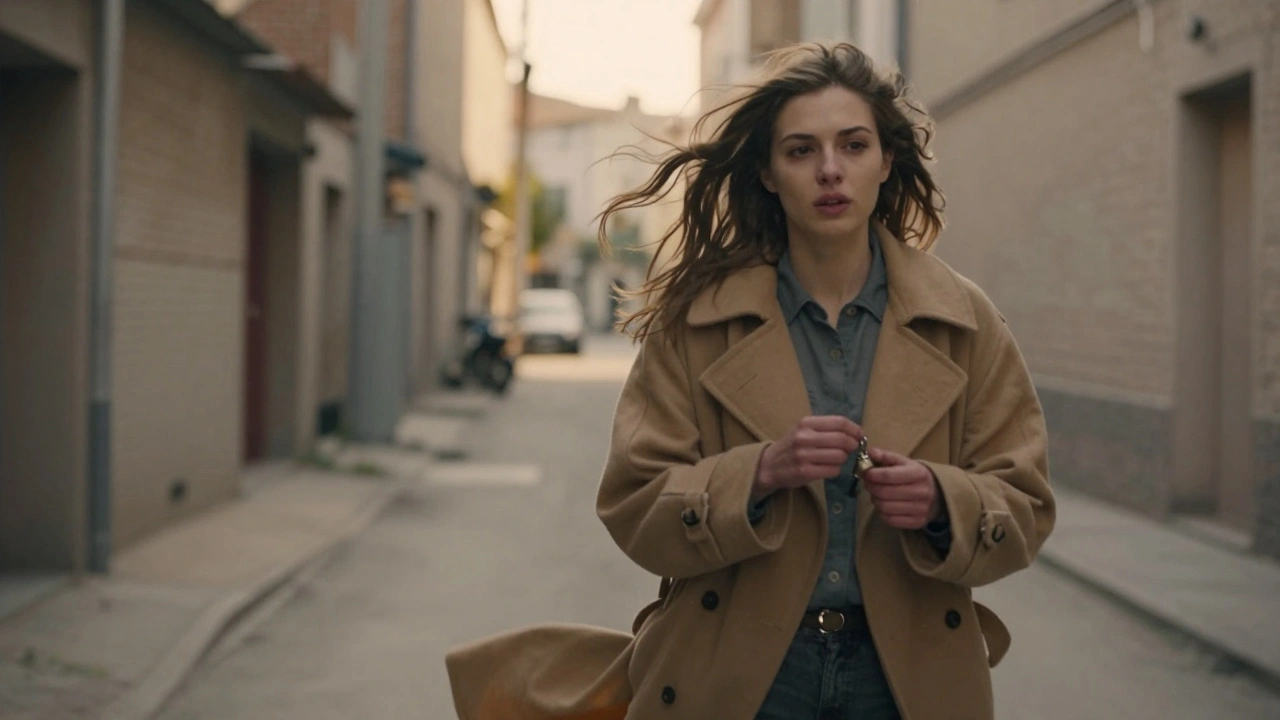
- The Environmental Push: If you’re shooting outdoors, ask them to walk into the wind. Not away from it - into it. Let their clothes fight the air. Let their hair blur. Let their expression change because the world is pushing back.
These aren’t poses. They’re invitations to react.
Connecting Movement and Emotion - The Invisible Link
The best photos happen when movement and emotion aren’t separate. They’re the same thing.
Imagine a model sitting on a bench, staring at her hands. You ask her to think about a letter she never sent. She doesn’t cry. She doesn’t speak. But her fingers curl slightly, her thumb presses into her palm, and her breath slows. The camera catches the tension in her knuckles. That’s the moment.
That’s not direction. That’s presence.
When you combine movement with emotional memory, you stop shooting models - and start shooting humans.
What to Avoid - The Silent Killers of Authenticity
Even experienced teams mess this up. Here’s what kills the magic:
- Over-directing: "Now tilt your head 17 degrees. Now lift your chin 3 centimeters." You’re not building a robot. You’re capturing a soul.
- Ignoring fatigue: A model who’s been standing for three hours isn’t going to feel anything. Let them sit. Let them breathe. Let them be tired. The best emotion often comes from exhaustion.
- Using cliché prompts: "Think of your first kiss." "Imagine you’re running from danger." These are tired. They’ve been used too much. They trigger performance, not truth.
- Not listening: If a model says, "I can’t do that," don’t push. Ask why. Maybe they’re scared. Maybe they’re sad. Maybe they’re just hungry. Listen. Adjust. That’s the work.

Real Examples From Real Shoots
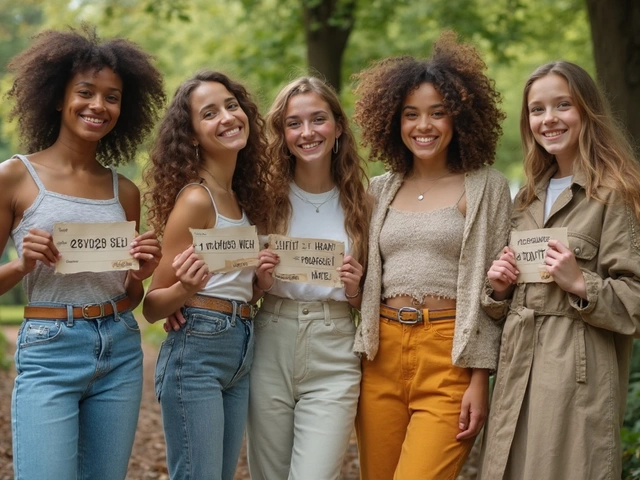
Last year, a shoot in Peckham for a sustainable fashion brand went off-script. The model, a 22-year-old from Lagos, was quiet. The team expected stiff poses. Instead, the photographer handed her a small, worn-out notebook - the kind her grandmother used to write letters in.
"Write something," he said. "Just one line. Then close it. Don’t show me what you wrote. Just hold it."
She wrote: "I miss the sound of rain on tin roofs."
She held it. Her eyes didn’t look at the camera. They looked at the cover. Her fingers trembled. The wind lifted the edge of her coat. One frame caught it - the notebook slightly open, the light hitting the ink, her face half in shadow.
That image went viral. Not because she was beautiful. Because she was real.
Tools That Help - Not Replace - Connection
You don’t need fancy gear. You need presence.
But if you want to support the process:
- Use a playback monitor - not to critique, but to show the model what they’re creating. "Look at that light on your shoulder. That’s the moment. Can you hold that feeling?"
- Keep a soundtrack playlist with 10 emotional tracks - no lyrics, just mood. Ambient, piano, field recordings. Let the model choose one before the shoot.
- Bring a small prop with history - a locket, a key, a scarf from a thrift store. Not as a prop. As a trigger.
Final Thought: You’re Not Shooting a Model. You’re Shooting a Story.
Every model has a thousand stories they’ve never told. Your job isn’t to make them look perfect. It’s to make them feel safe enough to let one slip out.
Move them. Not with commands, but with questions. Elicit emotion - not with clichés, but with silence, memory, and space.
The best photos don’t come from what you see. They come from what you feel - and what the model lets you feel with them.
How do I get a model to look natural instead of stiff?
Stiffness comes from pressure. Stop telling them what to do. Instead, give them a feeling to embody - "Imagine you’re holding someone’s hand for the last time," or "Feel like you’re waiting for a train that’s never coming." Then step back. Let them sit with it. Most natural expressions happen in the quiet, unscripted moments after you stop directing.
Can movement be shot in studio lighting?
Absolutely. Studio lighting doesn’t have to be flat. Use a softbox to create directional light that moves across the body as the model shifts. A slow pan of the head or a rolling shoulder will catch highlights and shadows that change with motion - that’s what creates depth. You don’t need wind or rain. You need a body in motion and light that responds to it.
What if the model is shy or introverted?
Shy models often have the deepest expressions - they just need time. Start with silence. Let them hold a personal object - a photo, a book, a piece of jewelry. Don’t ask them to perform. Ask them to remember. One quiet memory, one slow breath, one unscripted glance - that’s enough. Shoot in bursts. Let them lead the pace.
Should I use music during the shoot?
Yes - but carefully. Use instrumental tracks only. No lyrics. Choose music that evokes emotion, not rhythm. A slow piano piece, ambient strings, or even rainfall. Let the model pick one before you start. Music doesn’t direct the pose - it opens the emotional door.
How long should a shoot last to capture real emotion?
There’s no magic number, but most breakthrough moments happen after 45-60 minutes. The first 20 minutes are nerves. The next 20 are experimentation. The real emotion - the quiet, raw, unforgettable shots - usually appear in the last 15-20 minutes, when the model is tired, less self-conscious, and more present. Don’t rush. Let the session breathe.